


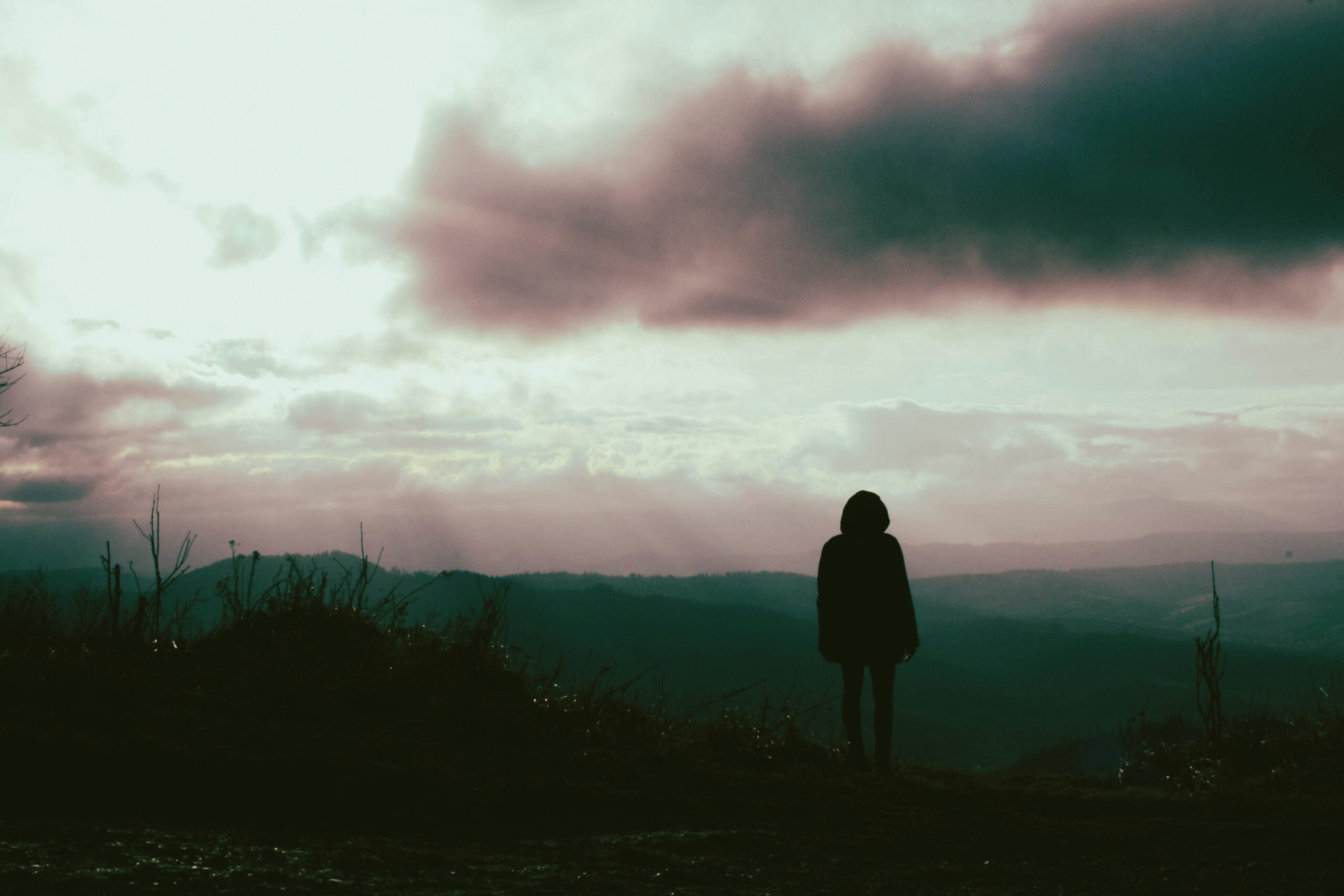
They say the war is over. The guns are silent. The treaties are signed. The world moves on, eager to speak of reconciliation and rebuilding. But for the woman who was used as a battleground, the war has simply been internalized. The frontline is now her own skin, her own memory, the very rhythm of her pulse.
This is the deepest, most hidden lament of conflict. It is violence that is not recorded in the headlines but is inscribed on the soul. When a body is made a weapon in a conflict it never chose, the trauma does not end with a ceasefire. It echoes. A slammed door is an ambush. A certain look in a man’s eyes triggers a full-scale retreat of the spirit. The body, designed for life and love, becomes a prison of past terror. They sought to destroy a community’s future by desecrating its heart—by making her a living monument to their power.
For a long time, my faith had no words for this. It offered platitudes about forgiveness and peace that felt like being asked to sweep rubble under a pristine carpet. The God I was taught about seemed distant from a pain so intimate and bodily. True hope felt like a distant demand, not a daily discipline.
But I am learning that hope is not the opposite of this pain. It is not a feeling that arrives after the pain has left. It is the daily, arduous practice of reclaiming my own territory.
My practice of hope is a discipline. It looks like this:
It is the courage to name the wound, to call it what it was: a weapon of war. It is refusing the world’s silence. It is the faith to believe that my body, though scarred, is still sacred. That the Spirit does not flee from our trauma but dwells within it, a quiet, steadfast presence in the ruins. It is the lament that is not despair. It is letting the anger, the sadness, the grief flow through me like a river, instead of letting it become a stagnant pool that poisons me from within.
Jesus wept. He did not hide from the pain of the world, and so I am learning not to hide from my own. My hope is fueled by the belief that God is not a passive observer but a fellow sufferer. The cross is God’s solidarity with all who are violated, all whose bodies are broken by the world’s hatred. In Christ, God enters the battleground and absorbs the violence, refusing to return it. This does not erase my suffering, but it means I do not carry it alone.
They used me as a battleground. I did not choose that. But I am choosing, every day, to become a garden. It is slow work. The soil is still rocky with fear and the shrapnel of memory. But I am planting seeds of kindness toward myself. I am watering them with tears and with the support of a safe community. I am weeding out the lies that said I was defined by what was done to me. In this, my personal reclamation becomes a quiet act of resistance—a defiance of the violence meant to erase me.
This is my dangerous faith: to believe that the love of God can convert the poison of violence into a medicine for resilience. It is not a quick fix. It is the long, slow, disciplined work of turning a scar into a seed. And with every small act of reclamation, I am declaring that the war they started on my body will end in a peace that is truly, deeply, my own.


Have a comment on this story? Write to the editors. Include your full name, city and state. Selected comments will be edited for publication in print or online.