


An apology and a listening process in Indiana-Michigan Conference of Mennonite Church USA reveal how the conference’s posture on inclusivity and ministerial credential reviews has changed over a decade.
Indiana-Michigan’s Ministry Credentialing Team apologized in 2024 to Karl Shelly, pastor of Assembly Mennonite Church in Goshen, Ind., for the way the conference carried out a review of his ministerial credential following a same-sex covenant ceremony he officiated for a couple from Assembly in 2014.
The team repented not only for the harm credentialed leaders experienced but also for the hostile atmosphere pastoral sanctions created for LGBTQ+ people.
A listening process initiated by the credentialing team in 2023 resulted in seven people sharing stories of harmful credentialing experiences from the 1990s through 2015, the year MC USA delegates passed the denomination’s Forbearance in the Midst of Differences resolution.
By coincidence, 2023 was the same time the conference voted by 91% to not deny ministerial credentials to someone because of their sexual orientation, gender identity or marital status.
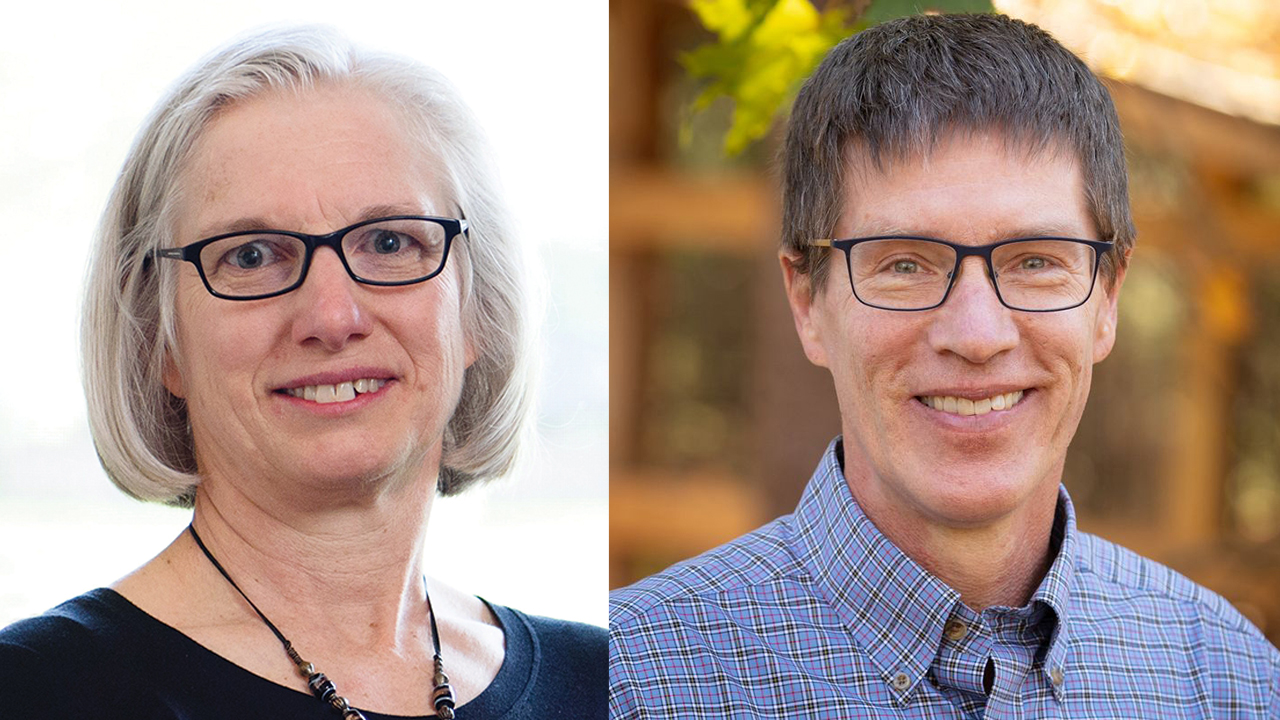
Conference minister Sharon Witmer Yoder said the listening process came about because the team began hearing from pastors who were dreading credentialing interviews.
“We thought, ‘People are dreading this? These should be holy spaces,’ ” Witmer Yoder said. “We now view our interviews as a way to bless the discernment happening up to that point — the personal discernment, the community affirming the person filling out the ministerial leadership inquiry form, the community calling the person to pastor or chaplain.
“Once it gets to us, it’s not our place to grill their place to be there. It’s ‘How can we bless the discernment that’s brought that to this point?’ ”
Shelly thought of himself as mentally tough, but he discovered over time that it was painful to be shamed by church peers who considered him disobedient to the gospel.
“I wasn’t conscious of how painful it was until 2016 when, after 18 years of attending conference gatherings, I heard a leader at a conference speak positively about my congregation, Assembly Mennonite,” he said. “I was shocked by it. It was counter to everything I experienced after nearly two decades. To my surprise, I found myself weeping in reaction to that, and that was a clue this was taking a toll in ways I didn’t recognize.”
Indiana-Michigan sent a letter of apology to Shelly and Assembly Mennonite, published the letter in its May 2024 conference newsletter and held a reparations liturgy at its June 2024 conference annual meeting. Specifically, the apology acknowledged that harm extended beyond Shelly and credentialed pastors.
“The indirect target of this public shaming was people more vulnerable than me, people whose core identity was attacked and erased,” he said. “That’s why this harm was being done. So I’m thankful the conference’s apology stated this impacted other people.”
While Shelly appreciated the actions, he wasn’t present at the 2024 gathering. Assembly dropped its dual affiliation in 2017, leaving Indiana-Michigan and remaining in Central District Conference of MC USA.
The congregation’s departure is part of broader changes that explain how the conference could shift so significantly between 2014 and 2023.
“What changed is the sad reality that some of the loud voices pushing against inclusion left us,” Witmer Yoder said. “That is part of the story — we used to be twice as many congregations as we are. I remember when we were more than 70 congregations, and now we are 36, soon to be 37.”
Indiana-Michigan has lost congregations at both ends of the conservative/progressive spectrum. Ministry Credentialing Team chair Suella Gerber said the conference is pursuing more collaborative relationships among congregations.
“This is also the conference working at intercultural things, looking at our processes and asking if these things work only for White people who have been educated at White institutions,” she said. “What about the people who are from either a different socioeconomic class or not Swiss-Germans or middle-class White Americans? So that’s a shift in how IMMC and the credentialing team understand ourselves and our work.
“We want to make this right. We can’t undo it, but we can listen to stories and say we are sorry.”



Have a comment on this story? Write to the editors. Include your full name, city and state. Selected comments will be edited for publication in print or online.