


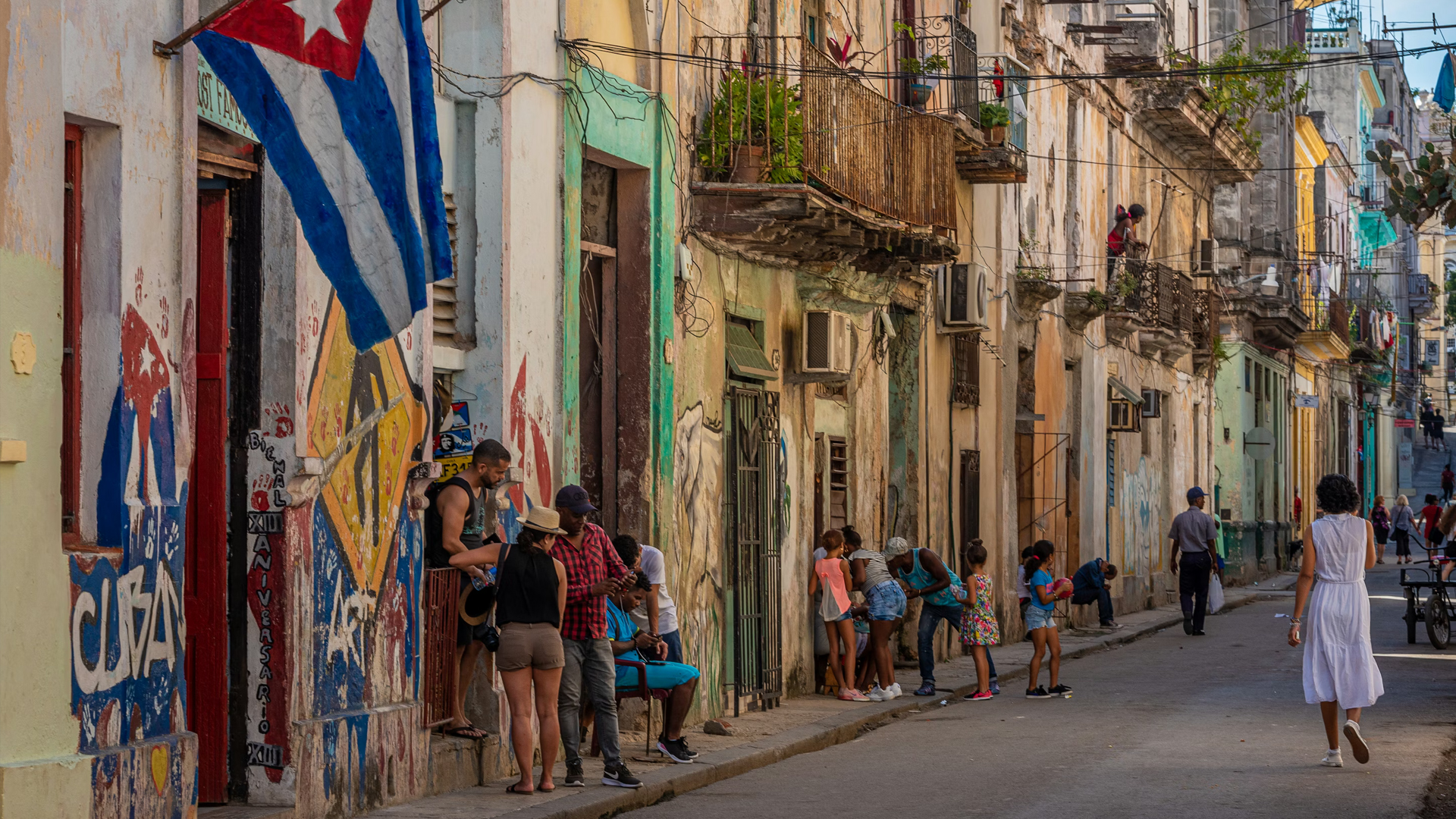
In 2024, I spent a Holy Week in Cuba. I went with the Nonviolent Medicaid Army, a national network building unity and leadership among those who are on or excluded from Medicaid. We’d gone to learn about the Cuban healthcare system and the structure of a society where human needs, not profit and wealth accumulation, are the economy’s driving force.
We studied in advance, learning about Cuba’s history and conditions both before and after the 1959 revolution, and the development of their healthcare system. For over 60 years, the United States has imposed a crippling blockade on the island, which means Cubans have limited access and pay extraordinarily high prices for food, fuel and other essentials. For years, the United Nations has condemned this blockade, yet the U.S. persists in economic warfare.
Despite this, Cuba has built a remarkable healthcare system. It trains medical workers from around the world. Further, Cuba sends teams of doctors to countries in Africa, Latin America, the Caribbean, Asia and Europe during climate disasters and health emergencies.
We met with community organizers and healthcare workers, including neighborhood doctors and others working in polyclinics, hospitals and research institutes. We were astounded by their commitment to care at every level, from local clinics and doctors who could name everyone in their community to their remarkable success developing and disseminating Covid-19 vaccines.
The people we met did not sugarcoat things. They challenged idealist notions of Cuba and the Cuban Revolution. While they were clear that the blockade is the primary source of their struggles, they were soberly self-reflective on the country’s development.
We met extraordinary people in Cuba. One local leader told us, “We give what we have, not what’s left over.” Our hosts were proud that their work in health was entirely oriented toward the benefit of their neighbors rather than the profit margins and stock prices of pharmaceutical or insurance corporations. One member of our group said: “They have committed their lives to the task of elevating the human condition.”
One doctor compared the effectiveness of the Cuban response to Covid-19 with the devastation wrought in the U.S. and showed how the embargo prevents Cuban medical achievements from being shared. “Your people are suffering because of this,” he said tearfully. “This does not make me happy.” The embargo cuts both ways, and it is the poor who suffer most.
The structures of capitalism prioritize the most degraded and base characteristics of humanity: individualism, self-interest and greed. In contrast, a society that is not based on profit and wealth accumulation, but instead seeks the material security and well-being of all, cultivates different characteristics: interdependence, solidarity, collective interest.
As our group reflected each day, heavy emotions rose to the surface. We were not tourists. We are poor and dispossessed people who are suffering under a profit-driven healthcare system. Our experiences of struggling to get the care we need, of family members who suffered and died due to their inability to pay for care, stood in stark contrast to the Cuban health system we witnessed. As we spent time in a country that seeks, despite incredible hardship, to meet the healthcare needs of not only their own people but to support the poor around the world, the depravity and sinfulness of the U.S. healthcare system weighed on us.
While in Cuba, I reflected on the Gospels. When Jesus is called “the Son of Man,” the implication is that he represents the fullness and completeness of humanity. This title took on a new meaning in a place where people are becoming more human humans. In a society that seeks the welfare of its people over the accumulation of wealth for the rich, a new kind of humanity, one far more closely resembling the way of Jesus, becomes possible. Jesus’ saying that we cannot worship both God and money is made manifest in Cuba.
As I write this, the Trump administration has tightened restrictions such that the people of Cuba are facing shortages of fuel and food, causing extreme suffering. The United States, with the most heavily funded and technologically advanced military in the history of the world, is pounding the drums of war preparing for strikes on Iran. A so-called Christian nation exports violence and death around the world, while the strangled island off its shores exports doctors and yet is labeled a sponsor of terrorism. Lord, have mercy.


Have a comment on this story? Write to the editors. Include your full name, city and state. Selected comments will be edited for publication in print or online.