


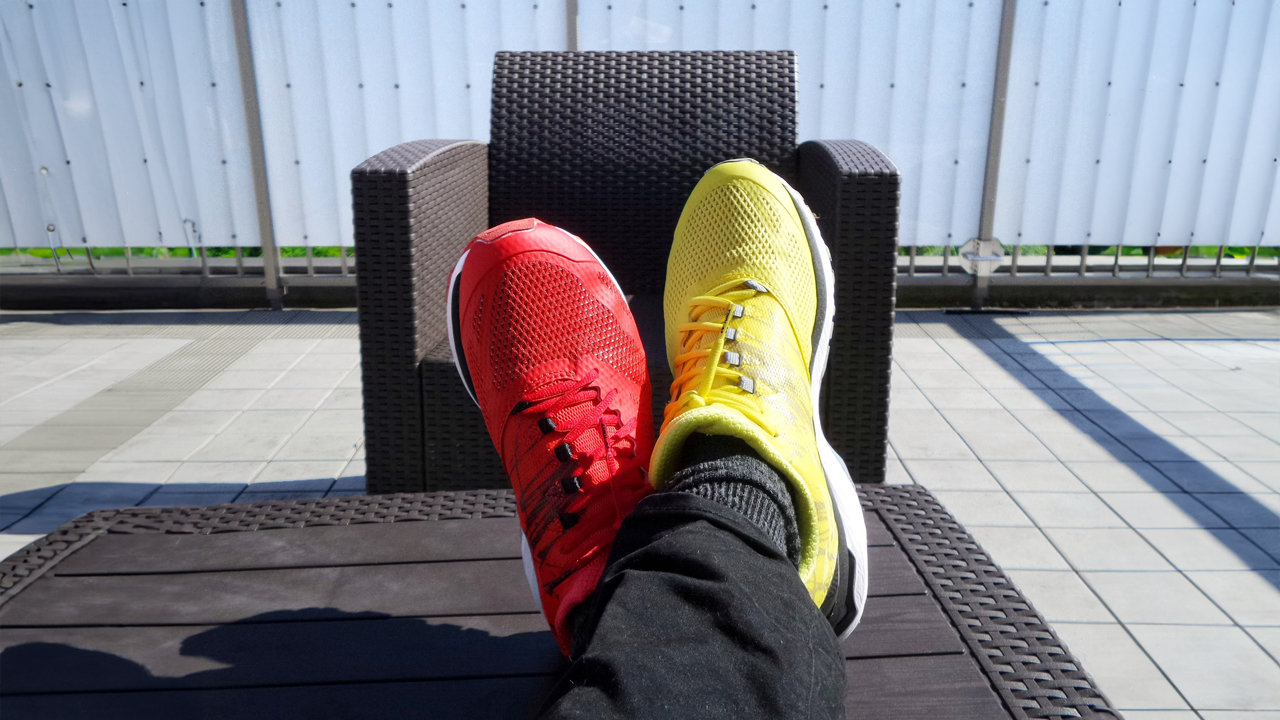
In 1 Peter 2:9 we get an interesting description of our calling. God’s people are meant to be “a peculiar people” (KJV). Not popular or respectable, but peculiar.
The word carries both sting and blessing. It means strange, set apart, a little off from what passes as normal. Sometimes it sounds like an insult. Sometimes it feels like a promise.
Most of us would rather blend in. Following Jesus takes us in the opposite direction. It looks foolish to the powerful. It demands forgiveness in a culture of grudges. It asks us to share what we have when everything around us screams, “Hold on tighter.” It calls us to refuse violence when violence is thought to be inevitable. It calls us to keep gathering around a table where everyone is welcome, even when the table looks like chaos.
That is peculiar.
When that peculiarity is rooted in Jesus, it might be exactly what our world needs.
Every time the church gets too normal, too respectable, too eager to fit in, it forgets its roots. And the last thing the world needs is another blandly normal church.

We live in a world that worships winning. Leaders rise and fall on how well they crush their opponents. Nations boast about strength. Churches market themselves with the same strategies as corporations. If you are not winning, you are nothing.
The gospel tells another story. It declares the stone the builders tossed aside is now the cornerstone. It says power is perfected in weakness. It teaches that the meek, not the mighty, inherit the Earth. These are not slogans. They are promises.
Sometimes people in our tradition seem embarrassed by strangeness. We want to be taken seriously. We want to look respectable. We want to be mainstream. We want to be thought of as good and reasonable.
But the purpose of Anabaptism is not to be respectable. It is to be faithful. And faithfulness looks peculiar.
It is peculiar to:
oppose war in a time of nationalism;
build community in an age of individualism;
forgive when shaming pays;
welcome the stranger;
resist a market that claims to define human worth.
It looks peculiar to show up at a hospital room, a prison cell or a homeless shelter simply because we believe Christ is already there.
I am hungry for a church that is not afraid to be strange. A church that does not chase approval from the powerful. A church that remembers its calling to bear witness to a different way of living. A church that doesn’t sell its spiritual birthright for political power.
I’m not talking about being odd for the sake of oddness. I’m not suggesting we cultivate eccentric habits or set ourselves apart in arrogance. I’m advocating we lean so deeply into Jesus that our lives no longer fit the logic of empire.
You have seen it happen. People get tossed aside when they do not measure up. Too heavy, too broke, too queer, too old, too immigrant, too devoted. Culture says: Do not be peculiar. Yet God works through what the world rejects. God chooses the peculiar. God delights in the overlooked.
That gives me hope. Because if God can use the peculiar, there is space for me, for you, for us. We don’t have to pretend. We can embrace the strange gift of being peculiar and discover in that gift the power of God.
Our ancestors were peculiar enough to believe Jesus meant what he said. They were peculiar enough to risk their lives for peace and discipleship. They were peculiar enough to refuse infant baptism, the sword and allegiance to empire.
Their peculiarity cost them dearly. But their witness planted seeds that still shape us today.
Now it’s our turn. The world strains under cruelty and greed. It doesn’t need a church that looks like more of the same. It needs a peculiar people who live as if love is stronger than hate, as if peace is possible, as if every person carries the image of God.
Maybe the call now is not to reinvent ourselves but to return to our Anabaptist roots, where faith looked strange and costly yet alive with courage and hope.
Look around. Leaders tell us to hoard, to weaponize fear, to turn against neighbor. And the church is often too quiet or too busy to respond. We need witnesses who resist nationalism, show mercy when cruelty is king, embody peace in life-giving ways and refuse to weaponize faith.
It will not make us popular. It may make us suspect. But if we are faithful, it will make us peculiar. And that peculiar way of living is God’s gift to the world.



Have a comment on this story? Write to the editors. Include your full name, city and state. Selected comments will be edited for publication in print or online.