


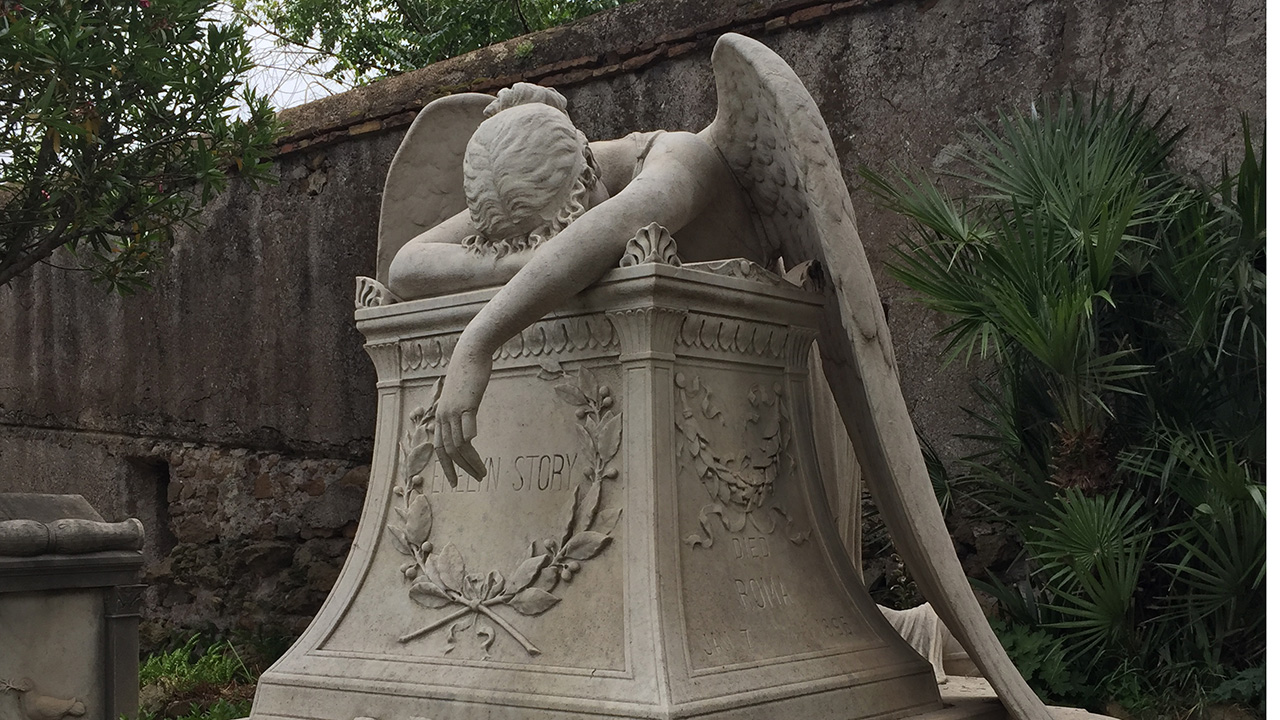
The bombs were in the news that night. It was the first time I saw a grown man cry.
I was a teenager. In someone’s living room for church youth fellowship. We were attempting four-part harmony, that age-old Anabaptist tradition. Truly an act of faith with teenagers. We had those hymn books we grew up with, the ones we always stored next to all the folding chairs. Some of the men of the church had been chosen to teach us how to sing properly.
Our host was in the kitchen preparing the after-singing snack. Church bars. Pretzels. The usual fare. Anything to soothe the throat after contorting my voice to hit the bass notes, going as low and manly as puberty made possible. Lord knows I wasn’t going to do that tenor thing. Those guys had a strange confidence that made me marvel and frown as they belted their high notes. I preferred to hang with the basses and hide my bewilderment by causing mild trouble for laughs in the back with Jason. We all look for belonging in our own way, it seems.
Raise your hand if you’re glad to not be a teenager anymore.
Anyway. We finished rehearsal despite hormone-chaotic boys like me. But before we could see if there was a bowl of puppy chow at the snack table, one of the teachers stood up to share a holy word.
A gentle man. Quiet in the way people are when they’ve lived long enough to stop filling every silence. I remember the brown hearing aids that curved over his ears, the ones people wore back then. He looked like time and fatigue had carved him from a handsome fence post.

He had served as a conscientious objector, which mattered greatly in our tradition. We came from a long line of Christians who believed that following Jesus meant refusing to bear arms.
We believed in the gospel, not the Glock.
News of another war floated around the room that night, carried in by newspapers, adult prayers and quiet conversations. We didn’t have cellphones, but we all somehow still knew.
I can’t remember which war it was now. That is one of the stranger realities of being an American, isn’t it? After a while the bombs we drop all blur together. Different countries. Different presidents. The same green night-vision footage blooming across some distant mushroom-cloud-brightened skyline while pundits in suits exhaust themselves trying to debate strategy.
He stood with the credibility of someone who had both served and resisted. He wept. We were at war. Again.
Simple man tears. No drama. A little shaking. Enough to silence a room full of teenage boys who had probably never considered that this might be an appropriate Christian response to war. I had never seen a grown man cry.
After a moment he spoke. Wet eyes on that rugged face.
“When wars begin,” he said, “we Christians cry.”
Then he sat down, and we moved on to the lemon bars.
The gospels tell the story of Jesus being tempted while alone in the wilderness. Satan showed him all the kingdoms of the world and their glory. The offer? Power, authority, rule the world. All he had to do was bow. Kneel and worship violence and control.
Jesus refused.
That same temptation remains through history to today.
Caesar perfected it. Constantine made it official. Once the cross stands close enough to the throne, the empire gains something no army can produce on its own: moral language. Violence can be explained as righteousness. War becomes duty. The bombs can even be prayed over.
The temptation remains.
When I hear pastors preaching that our wars are helping bring about the return of Jesus and that our nation’s citizens should all be Christian, and when I see those sermons carried into the halls of the Pentagon — hands laid on Pete Hegseth, soldiers blessed with the armor of God while bombs fall on children in schools, someone’s street, someone’s house, someone’s child — I cry. Like my living-room ancestor.
Following Jesus means saying no to Satan’s offer. No to power gained through violence. No to war.
I think about those hymn books. About us teenagers attempting a joyful noise. About a quiet elder who had been formed by Jesus deeply enough to cry when he heard more bombs were falling.
Nothing exposes the temptation of power gained through violence like seeing past it to the suffering of our neighbor. Ordinary people who don’t want bombs falling on their heads for someone else’s cause.
So when wars begin, we Christians cry. We long for those tears to heal. And to help us remember how to be human together.
You can wrap your aims in moral language, but you can’t stop me from feeding somebody.
Cruelty forgets something about ordinary people. It forgets that we can see the temptation. And like Jesus in the wilderness, we refuse it.
When wars begin, we Christians cry. May we keep remembering how.
Brian Sauder is a credentialed minister in Central District Conference of Mennonite Church USA and President & CEO of Faith in Place, a Midwest multifaith nonprofit advancing environmental justice. On Substack, where a version of this article first appeared, he shares field notes on faith, grief, power, climate justice and the hard work of being human.



Have a comment on this story? Write to the editors. Include your full name, city and state. Selected comments will be edited for publication in print or online.