


Art Roth serves as a model for small town pastoral leadership.
Fifty years of continuous pastoral ministry at one Mennonite congregation must set a modern pastor longevity record. But length of faithful service is only one of the unique characteristics of Arthur Roth, pastor of Julesburg (Colo.) Mennonite Church, a member of the Central Plains Mennonite Conference of Mennonite Church USA.
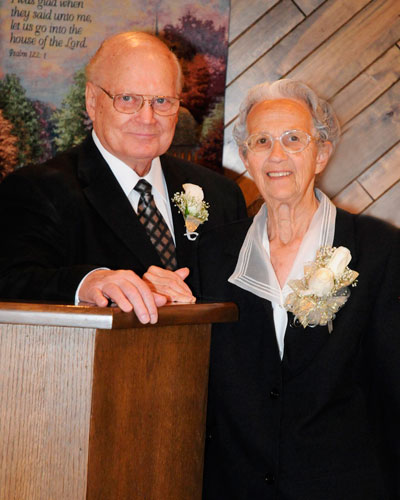 “Art,” as the local coffee shop crowd and close friends call him, has grown into this small community’s town pastor. Yes, there are a variety of other denominations and pastors in Julesburg, but Art brings a sense of longevity and stability to the role. He’s one of the locals. After all, he’s more than a professional pastor; he’s a “tentmaking” (Acts 18:3), bivocational pastor. He’s managed a furniture store, owned his own floor- and wall-covering business, worked as the groundskeeper for the county courthouse and continues to assist at the local funeral home.
As a volunteer, he managed the county’s first responder ambulance crew for 25 years. He has witnessed this community’s 1,200-person population go through its various phases of life and death drama. The result is a strong loyalty among the townspeople.
His role is best evidenced in the coffee shop where the local farmers, shopkeepers and retirees gather daily to share stories and talk about the weather. When Art walks in to take his well-worn seat at the table, more than likely someone will begin with a goodhearted pastor joke, with Art laughing alongside the others, then asking how the storyteller’s mother is doing in the nursing home.
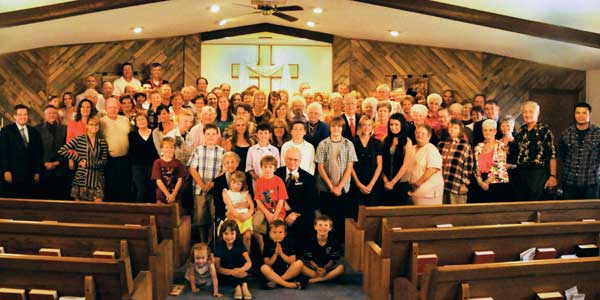
When many rural congregations are struggling to survive because of declining and aging populations, Art has managed to lead the Julesburg Mennonite Church through two building phases and another expansion remodel is in discussion. What can be learned from his model of pastoral leadership?
Relationships matter. People understand that Art genuinely cares for them. That caring spirit was most evident when I was turning 18 and fearful of the military draft board interview. Art went with me to the draft board to make my claim as a conscientious objector. That same relational quality continues. Last year, a 57-year-old, non-church-going man with terminal cancer invited Art to his house and asked if he would baptize him. Two weeks later, Art officiated at this man’s funeral, one of more than 500 funerals he has performed during his 50-year ministry.
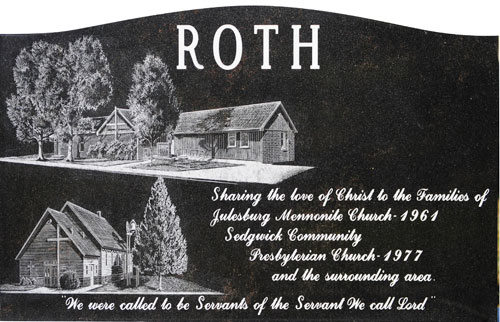
Long-term pastorates are important. Relationships that build high trust and friendships like this take time. It’s the same reason mission agencies prefer long-term overseas workers to short-term volunteers. Small towns have a culture and story narrative that is not easy to break into. It’s only with time and relationship skills that a small-town pastor can be part of new stories yet to be told.

A vision for the future is necessary. Art’s idea of the church is expansive. He has always imagined the local congregation to be inclusive. Today, few ethnic Mennonite names are listed in the membership roster. His inclusive vision was honed as long-term staffer for the Ohio Christian Layman Tent Crusades. He knows the power of evangelism. Whenever the Julesburg Mennonite Church building felt cramped or was not adequate for ministry, he sketched a new building plan that would accommodate growth. And each time the congregation responded to his expansive vision.
Strong leadership inspires others. Art has never shied away from taking charge. Whether it’s the season of Advent or Easter, the sanctuary will show the colors and themes through his creative sanctuary decorations. For many Mennonite pastors schooled in the “priesthood of all believers” doctrine, Art’s style of leadership may be viewed as management by executive order. But the combination of directive leadership and compassionate relationships provides security and inspires others to follow.
A positive message that leads toward a goal is more effective than preaching for or against an issue. I have never heard Art publicly criticize the Mennonite church. In fact, he has perfected the skill of harvesting positive messages from Mennonite periodicals and reprinting them in his monthly newsletter. When the denomination debates human sexuality or abortion, he chooses to tell denominational stories of mission enterprise and individual spiritual accomplishment.
A supportive family makes a positive impact. Marjorie Miller Roth has been an active partner in Art’s ministry. Like Art, greeting the locals she meets on her daily walks around town and in the savings and loan where she’s been employed for 20-plus years is true friendship evangelism. When Marjorie stops on her walk to congratulate a new mother, one can sense the genuine caring spirit, and people respond.
As a child of this congregation and a recipient of pastor Art’s friendship, I observe with more than a passing interest how his ministry has evolved. He offers to the broader church a model of leadership and commitment to the small town that deserves pause and recognition.
Larry Hauder is a member of Hyde Park Mennonite Fellowship in Boise, Idaho, and on the Mennonite Church USA Executive Board.


Have a comment on this story? Write to the editors. Include your full name, city and state. Selected comments will be edited for publication in print or online.