


As a nonviolent Christian, I believe it’s vital to define our terms clearly. Yes, we are committed to peace. But peace doesn’t mean passivity. Paul reminds us we are engaged in a struggle — not against flesh and blood but the spiritual forces of evil (Ephesians 6:12).
So, we do fight. The difference is that our weapons are not physical. Our enemy is not our neighbor. Our warfare is spiritual. Our weapons are truth, love, gentleness, prayer and faithful presence.
This distinction is crucial, especially in an age of division. The people on the other side of an issue — whether Christian nationalists or leftist activists, Israelis or Palestinians, those concerned with climate change or those who deny it — are not our enemies. The real enemy is the spiritual darkness that deceives, divides and destroys.
So, what do I fight for?
I fight for my community. I live in a small town in Kansas, where I’ve witnessed the rising influence of Christian nationalism. It creeps into church conversations, seeps into community values and warps the gospel into something that looks more like Caesar than Christ.
My approach isn’t confrontation but quiet resistance. I offer a different perspective. I nudge gently. I speak when it’s wise. I listen when that’s needed more. I try to embody a way of being that’s neither defensive nor combative but unmistakably rooted in the kingdom of God.
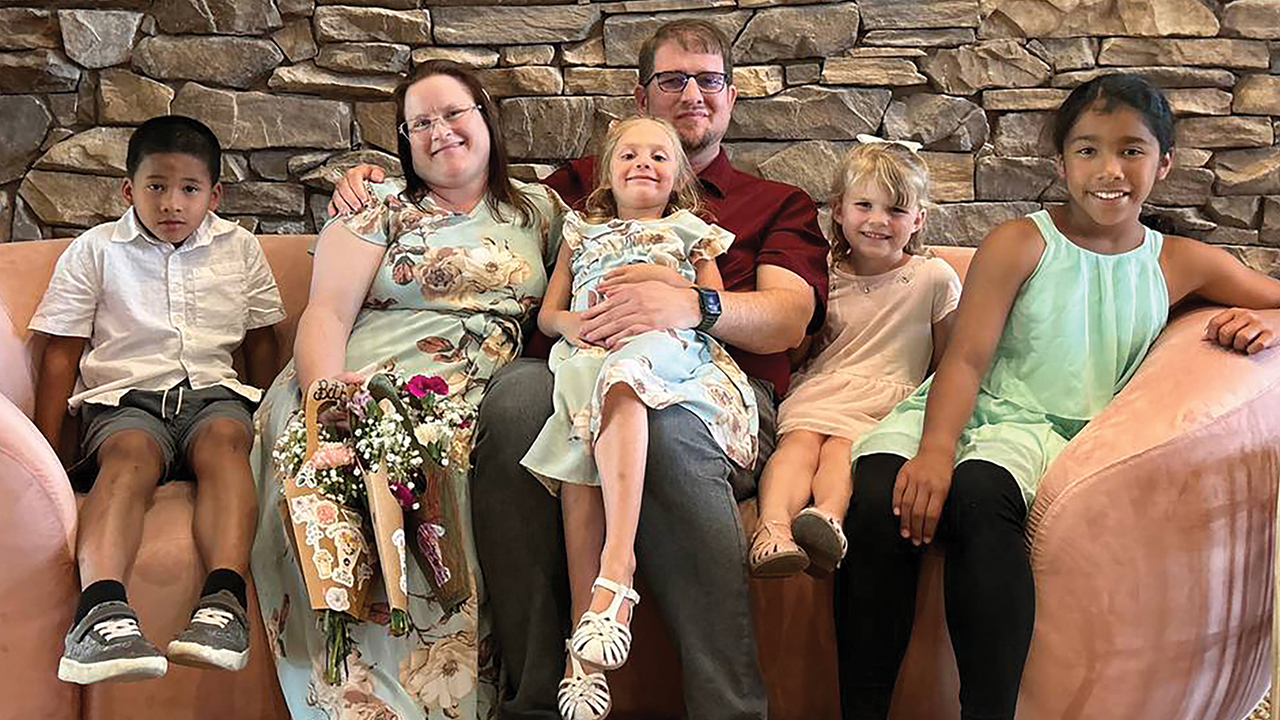
I fight for belonging — for the kind of radical hospitality Jesus practiced. Our church is almost entirely White. Apart from my own adopted children, who are Brown-skinned, there are very few people of color in our congregation. The immigrant community in our town doesn’t feel welcome in any of the churches. That must change. I’ve suggested to our leadership that one of the first and most important things we can do is simply be with people of different races. Sit together. Share meals. Learn names. Listen well. That’s where justice begins.
Environmental concerns? I’ll admit those haven’t stirred me personally as they do for others. I respect those who are called to that fight, but it hasn’t been my primary arena. Nor have I been focused on personal wellness or mental health advocacy, though I believe these matter deeply in the broader witness of the church.
Political battles? I’ve had to learn to love people across the spectrum. I have disagreements with both the far right and far left. But my calling isn’t to convert people to a political position. It’s to remind them that our citizenship is in heaven. Our hope is not in a president, a court or a party. It’s in Christ. When I speak, that’s what I try to point people back to: not winning, but faithfulness. Not power, but humility. Not domination, but love.
Even theological battles have their place. I’m an amillennialist in a largely premillennial, Zionist-leaning congregation. But again, my goal isn’t to conquer or correct. It’s to witness.
I try to model a faithful reading of scripture, ask questions and plant seeds of curiosity about what the Bible really says. I’ve found harshness kills conversation, but gentleness opens hearts.
And that, I’ve learned, is the most important part of the fight: my conduct. If I come across as arrogant, argumentative or condescending, I’ve already lost. Influence in a small town (and elsewhere) comes not from clever words but consistent love.
In church conflicts especially, I’ve had to practice humility: backing down, apologizing, sincerely listening to people I disagree with. When I do speak, I aim to speak as someone under authority — Christ’s authority — not as a self-appointed expert.
What gives me strength? God has blessed me with three or four people in my town with whom I can speak freely. That’s a gift. We encourage one another. We share ideas. We pray.
And slowly, together, we plant seeds. One person might seem small, but we know the parable: The mustard seed grows. We sow, we water, but God gives the increase.
I also draw from a few key resources. Podcasts like Disarming Leviathan by Caleb Campbell have challenged and sharpened my thinking. Anabaptist voices online have reminded me I’m not alone. Thoughtful secular journalism, when it’s honest and nuanced, helps me understand the times we live in and how to respond with wisdom.
This is what I fight for: not a better version of the world but a visible sign of another kingdom. A kingdom where swords become plowshares. Where enemies become friends. Where the meek inherit the Earth. My job isn’t to win. It’s to be faithful.
Dennis Goossen of Cimarron, Kan., attends Valleyview Bible Church. He is a certified public accountant, homeschool dad and lay leader passionate about Christian nonviolence and local witness.

Have a comment on this story? Write to the editors. Include your full name, city and state. Selected comments will be edited for publication in print or online.