


Fifty-five Low German-speaking “Colony Mennonites” were deported from Suriname to Bolivia on Oct. 31 in an escalation of conflicts over immigration and agriculture.
The Suriname Herald and other newspapers reported a total of 63 Mennonieten were removed from their homes by police and soldiers Oct. 26 in the Masonia area just north of Raleigh Vallen Nature Preserve.
The group, including seven children and three infants, was housed at a facility near the nation’s primary international airport. Their lawyer told media he was prevented from meeting with them.
Suriname Police Force spokesman Michel Elskamp said the evictions took place Oct. 24-25 after those involved were given the opportunity to leave voluntarily, and police were planning to visit multiple other locations where people without residence permits were staying.
The eight people who were not deported have Mexican citizenship and could not be transported to Bolivia.
Algemeen Nederlands Persbureau, the largest news agency in the Netherlands, reported the group had cut down “pristine forest” to establish agricultural land without permission. They moved deeper into the territory after police called upon them to voluntarily leave.

Suriname is a former Dutch colony situated on the northern coast of South America.
An agricultural company, Suriname Green Energy Agriculture NV, brought 50 families to Suriname in 2022 with government permission to stay for three years. Government leaders have changed since then, and the company has appealed to them and the courts today to halt the deportations.
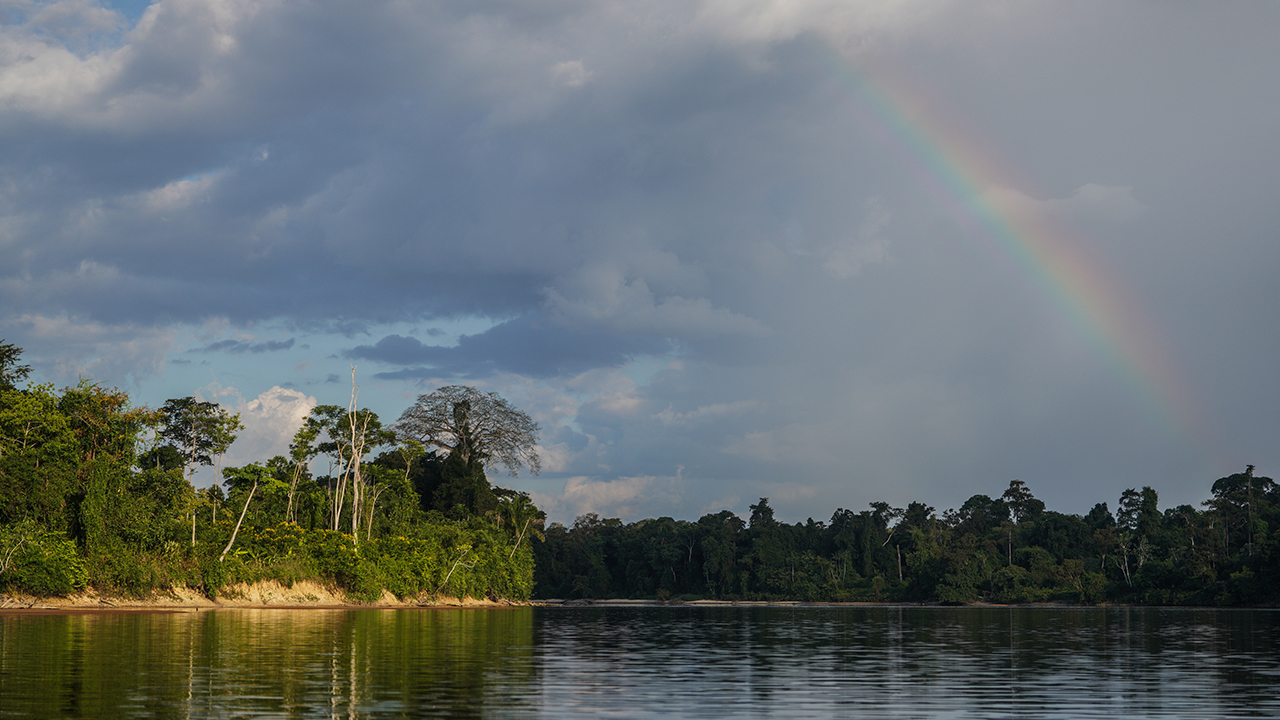
More than 95% of Suriname’s territory is covered by rainforest — one of the highest proportions in the world — and much of the population lives along the northern coast. The nation relies significantly on food imports. In the past, government and business representatives encouraged Mennonite farmers to bring their skills to arable land near the coast.
However, Suriname’s president, Jennifer Simons, said this summer that the colonists were in the country without residency permits and were carrying out illegal actions.
“If it were up to me, they would be on the next flight out of the country because they will serve as an example for thousands of others who want to come here,” Simons said in comments reported Aug. 5 by the Times of Suriname.
“. . . If people want to come, and if they want to focus on plant crops in the coastal area, they can be my guest. But we will not allow you to go to the hinterland and to cut down forests to establish a community there. My country is complicated enough as it is.”
Die Mennonitische Post, which serves conservative German-speaking Mennonites across North and South America, carried a report from Mennoniten-Weltweit in its Oct. 30 issue that said a Mennonite family from Belize arrived July 20 at a newly established colony in Suriname’s Para District. That colony is being developed on about 59,000 acres being purchased by families from the Shipyard and Indian Creek Colonies in Belize because young families can no longer find enough land in Belize.
That land is planned to include 320 farms with 16 plots for schools, but uncertainty now abounds due to issues about land rights, potential deforestation and compliance with laws.



Have a comment on this story? Write to the editors. Include your full name, city and state. Selected comments will be edited for publication in print or online.