


Lessons from Jesus in Luke 10
The vision statement of Mennonite Church USA says we are to “grow as communities of grace, joy and peace so that God’s healing and hope flow through us to the world.” But growth brings some challenges.
We have a bamboo plant at our church that is growing out of its container. The roots are crowded and the stalks are close together, with leaves entangling each other. This has become a metaphor for our growing congregation with help needed in many ministry areas. The needs at church and the many responsibilities and activities of our lives make us feel crowded, longing for breathing space. We’re suffering from growing pains.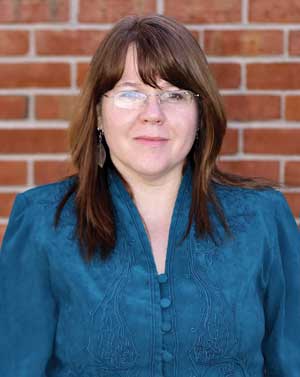
In Luke 10, Jesus deals with this same problem as he takes his disciples from a place of dependence on him and scatters them out into places where they can grow and learn. What can we learn from this story to help us with our own growing pains?
We need to pray for more workers. Jesus tells his disciples to pray that the Lord of the harvest issue such a compelling command to join in the work of the kingdom that all resistance would be overcome and many would join in the work. We need partners, and developing partnerships among congregations is a priority of Mennonite Church USA. Jesus sent out his disciples in pairs because two can accomplish more together than either one can alone. We are to pray for partners and join together to increase our capacity.
We are also to be prepared for failure. Jesus tells his disciples that he is sending them out as lambs among wolves, a scenario with a high chance of failure. He also warns them that there will be people who will not welcome them or their message. They are not to waste time mourning over failure or trying to make things work that aren’t going to work. They are to simply move on. Implied in this is the idea that we are to be open to new things. If something is not working, try something else. This is also how new leaders are developed, as we open ministry opportunities up to new people.
Jesus told his disciples that when they were welcomed, they were to stay in that place, in the same house, ministering peace and accepting hospitality. There is a sense of rest in their work. They weren’t to expend all their energy jumping around from place to place but instead were to concentrate on specific things in one place. Rest restores our energy so we must take time to rest. Practicing Sabbath regularly, taking time for worship and play, is essential for spiritual health.
After Jesus’ disciples return from their mission, elated that even demons submitted to them in Jesus’ name, he tells them not to rejoice so much in what they have done but in who they are. Their names are inscribed eternally in heaven. Focusing on what we have to do, rather than who we are, is sure to drain us. We are to remember that first we are beloved children of God and, as such, we have access to all the authority that has been given to Jesus to overcome the evils in the world. This is foundational to Christian formation, the first priority of our church.
Jesus’ disciples had to do all that Jesus was telling them to do. We also have to make room in our lives for what God is telling us to do. As purposeful people, we are to make conscious decisions about how we live our lives based on biblical principles such as practicing Sabbath, partnering together in the work of the kingdom, offering peace and accepting hospitality. In this way we can grow in our capacity as disciples of Jesus.
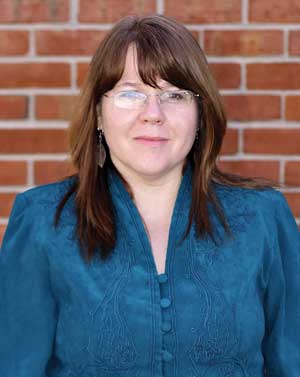
Lynn Parks is associate pastor at Oxford Circle Mennonite Church in Philadelphia.


Have a comment on this story? Write to the editors. Include your full name, city and state. Selected comments will be edited for publication in print or online.