


Many people support a generic peace but not one that costs much.
My wife and I were in the audience of a well attended (150-plus) peace meeting organized by the peace and social justice committee of a local congregation. The moderator was the associate pastor. The speaker was Fr. John Dear, a Jesuit priest.
 His message contained all the peace goodies dear to any serious Anabaptist heart, and it was delivered with such passion and conviction that it captured the attention and respect of the audience and would have made the Apostle Paul proud. I observed two things:
1. This church was not a sons-of-Menno church; it was Presbyterian.
2. Is the message of peace slipping through Anabaptist fingers into the hands of others?
Many devout Christians these days are against war. They agree with Jesus about the importance of love, but many are confused. How should a responsible citizen respond to persistent evil in the world? Hitler is often cited as an example that calls for action—military if necessary. But in the case of Hitler, if the church in Germany had acted as the church, there’s a good chance Hitler would have kept on hanging paper. Many people support a generic peace but not a peace that costs much. It’s a peace that allows one to lock arms with God and Caesar at the same time. It keeps you out of jail but will not change the world.
At the meeting, there were maybe five Mennonites among the 150 present. At the annual community New Year’s Day peace meeting, Mennonites are conspicuous by their absence.

It is understandable how some Christian folk may claim a kind of generic peace—they are nurtured in a militaristic, nationalistic culture. They grow up in families proud of their generations of military service. But for the children of Menno?
What better time than the present to talk about peace—God’s brand of peace? If society could make a 180-degree turn on slavery, with thousands of years of history to the contrary, why could not a voice for peace be heard today above the battle cries for war?
Consider the alternative fruit. Paul wrote to the Galatians: “The fruit of the Spirit is love, joy, peace, patience, kindness, goodness, faithfulness, gentleness, self-control.” If the Spirit of God is the sower of our garden, how then can we produce death, suffering, hunger, starvation, lying, deceit, hatred, destruction—the fruits of war? Is it not incumbent upon us, who come out of a culture of peace, to be voices in the wilderness for Jesus’ brand of peace?
Jesus said, “You are the light of the world” (Matthew 5:14). Does it make sense to hide under a generic basket? Jesus reminded a questioner once that love for God and neighbor upstaged even the demands of law and the hard speeches of the prophets. Love is the most powerful thing in the world. It took Jesus to the cross for the world. Why should it not take Christians to whatever forum available for peace in our world?
Not all Mennonites are sitting on their hands while the world blows itself up. Many put their lives on the line everyday in far-flung hot spots around the world, but what more should we be doing to make peace, Jesus’ peace, work?
Here are some suggestions:
- Put up a peace pole.
- Hold annual peace conferences.
- Give regular sermons on peace.
- Weave peace into the educational fabric.
- Support the academic peace programs at Mennonite colleges and universities.
- Encourage passage of the Peace Tax Fund bill.
A generic peace may make us comfortable, but only a Jesus’ peace will change the world.
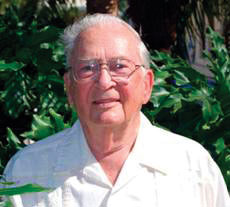
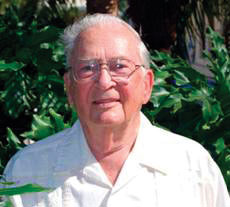
D. Lowell Nissley is a member of Bahia Vista Mennonite Church in Sarasota, Fla.


Have a comment on this story? Write to the editors. Include your full name, city and state. Selected comments will be edited for publication in print or online.