


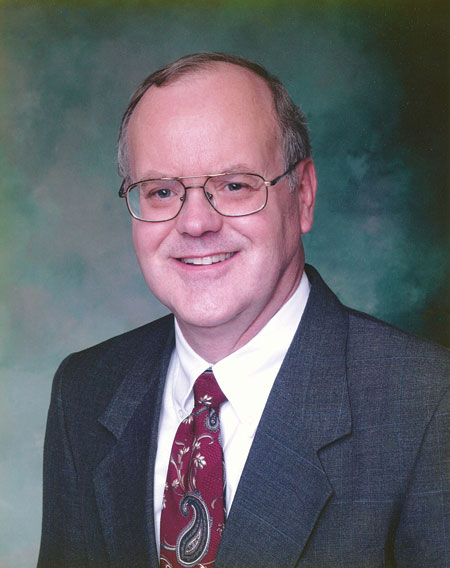
An interview with Ron Litwiller
How is Mennonite Village (MV) distinctive by being Mennonite-related?
Ron Litwiller: Mennonite Village relates to the Pacific Northwest Mennonite Conference and provides an annual report. Also it is sponsored by Mennonite Health Services Alliance of Mennonite Church USA. Our two Mennonite chaplains are a part of the conference pastors group. Our board members and the CEO are required to be members of a Mennonite Church USA congregation. According to Albany’s mayor, the name Mennonite means quality. We do have a reputation for value and quality in the area and in the state of Oregon. We are well-known and respected for serving most income levels. We are the only continuing-care retirement community in the state that accepts Medicaid.
How does MV promote spiritual growth?
RL: Our board and staff are guided by our covenant “to be a Christ-centered community providing life-enriching services.” We further spell out what that means to us via stewardship, service and self-determination. Our covenant is highlighted each month on each board agenda and is prominently displayed at various locations throughout our campus. Bible studies are conducted by our chaplains, residents and community folks. Our chaplains are available to staff. Staff members are encouraged to pray together and for each other.
As Baby Boomers reach retirement age, how is MV preparing for the greater number of residents?
RL: We do anticipate significant numbers of Baby Boomers moving to our campus. Most will be from the local area, but others move here from California and other states. We have been extremely fortunate to have been able to expand the size of our campus.
We have nearly 275 acres and have built on less than 100 acres. Some of the remaining land is wooded or wetlands, but we can build on another 100 acres. We also offer off-campus services. Our in-home care staff go out daily to people’s homes and provide services. We serve people who have short-term needs for assistance or who choose not to relocate to our campus. We are also exploring a greater variety of housing options.
Current homes range from about 750 square feet to 1,750 square feet. Some future housing needs may be met via apartment buildings so that we can be better stewards of our land.
What does MV do to try to rein in increasing costs?
RL: Mennonite Village is known throughout the state for offering quality and value. Residents tell us they have considered other senior housing options, and none offers the value and services that MV offers. We remind ourselves of our need to be good stewards. We constantly explore ways to become more efficient and effective. We also have provided niche services that offer less costly options for those we serve. We have a caring and productive work force. Many staff members have long tenure here. Our increases in fees have been modest over the years. We have expanded our services to include management of other similar organizations in neighboring communities. We manage Oregon Mennonite Residential Services. OMRS has a series of group homes serving adults with developmental disabilities. It provides services to people with significant challenges—most are nonverbal, and some require one-on-one care. We also manage Corvallis Caring Place—a Catholic assisted-living facility. We also manage Hope Village, which is Mennonite-related. This is a developing senior housing campus close to Portland that anticipates significant growth. Hope currently provides housing services for about 250 residents. These management contracts have allowed us to offer specialty services to the organizations in an efficient manner. It also provides opportunity for increasing challenges and growth for Mennonite Village staff.

How does the health-care reform affect MV?
RL: It is not yet clear how we will be impacted by the recent health-care reform legislation. We pay 100 percent of our full-time employee health insurance so we see little likelihood of change being needed. We have experienced rapid escalations of the premiums over the past few years and suspect that will not change for awhile.
How is MV missional, i.e., what do you see God doing in your area and how is MV cooperating with God in that?
RL: Mennonite Village is missional in that it is a witness in the community. We are well-known and respected. We have a reputation of paying our bills on time, exercising care in adding services or new buildings, being good stewards of our resources and providing services that are needed by this community. We recognize God’s guidance over the years. I invite a staff member “guest” to attend each board meeting, and the guest always reports how impressed they were to see the commitment and dedication of board members to fulfilling God’s will through our provision of services. God has blessed us with the resources to provide needed services and to expand to meet additional needs. We seek God’s will through our daily tasks and as we prepare to serve future generations.
What are your chief challenges?
RL: Our chief challenges are to balance the various needs with the limited resources we have available to us. We are more dependent on government payments than we would like. We have more opportunities for growth than we can address and therefore need to focus on our strategic plan. As with all service organizations we could do more for others if we had more resources.


Have a comment on this story? Write to the editors. Include your full name, city and state. Selected comments will be edited for publication in print or online.