


Leadership: A word from Mennonite Church USA leadership
Congregations can be supportive communities for people with disabilities and their families.
Speaking at Methacton Mennonite Church in Norristown, Pa., Joe Landis, executive director of Peaceful Living in Harleysville, Pa., interviewed Allen Gehman, a Peaceful Living friend, asking, “Allen, what does the church mean to you?” Allen swept his arm across the congregation and beamed. “Joe, it’s like having friends—forever.” The congregation responded with applause.
 In 1990, the landmark Americans with Disabilities Act (ADA) prohibited discrimination on the basis of disability. It mandated access where there had been none. But the ADA is limited. Jennie Weiss Block wrote in Copious Hosting: A Theology of Access for People with Disabilities (Continuum, 2002) that our society has come a long way in giving those with disabilities access, but access alone is not enough. In addition to access, people need friendships.
For many of us, church is a place we come together with our friends. On Sunday morning and throughout the week, we worship together and share about our lives. When there’s a crisis, we are eager to respond and support each other.
People living with disabilities, however, may not be able to take part in congregational life in the way the rest of us do. Families are often embarrassed to bring their loved ones who have developmental disabilities to church. Their physical appearance may make others uncomfortable, or their behavior may disrupt the planned worship. Or the extent of care required may make it impossible to get to church.
All too often, families of people with developmental disabilities become distanced from the church and from the love and friendship that others of us take for granted in our congregational lives. When this happens, the congregation may be unaware of what the family is going through. By noticing and asking what a family needs, a congregation can extend support and friendship.
In John 15:12, Jesus says, “This is my commandment, that you love one another as I have loved you.”
As Anabaptists, we take Jesus’ words seriously and do our best to live them out. Belonging to a community is central to our theology, so it’s no surprise that when Mennonites created new ministries for people with developmental disabilities, providing a sense of belonging was a core component of the mission. Often founded by families desiring a secure home for the child of aging parents, these organizations went beyond providing for people’s physical needs of housing and shelter. They included holistic attention to their social and spiritual needs as well.
Today there are 12 organizations in the MHS Alliance network serving people with developmental disabilities and their families, ranging from large—Sunshine in Maumee, Ohio, serves 1,000 people each year—to small—Sunny Crest Home in Morgantown, Pa., serves 61 people.
MHS Alliance organizations provide services such as housing, vocational training, friendship and 24-hour support. These services make it possible for people with developmental disabilities to live comfortable and meaningful lives, but there’s also a role for the church to provide friendships and spiritual nurture. Congregations can be partners with local organizations to embrace the gifts of people with developmental and other disabilities. Two MHS Alliance organizations have a particular mission to help congregations do so.
Founded in 2000, Peaceful Living, Harleysville, Pa., describes its mission as “creating belonging for persons with disabilities within a faith community.” Peaceful Living is working closely with seven congregations who have made a commitment to focus on being inclusive, encouraging environments where friendships are nurtured and everyone’s gifts are identified and used.
Anabaptist Disabilities Network (ADNet), Goshen, Ind., provides resources to congregations, families and people with disabilities. On the ADNet website (www.adnetonline.org), Sunday school teachers can find resources for teaching students with intellectual disabilities. ADNet is currently updating Supportive Care in the Congregation, a congregationally based care plan for people with disabilities. Originally published in 1984, the booklet remains one of ADNet’s most sought-after resources, both by Mennonite congregations and those from other faith traditions.
Working together, MHS Alliance member organizations and congregations can embrace and celebrate the gifts of people who have developmental disabilities.
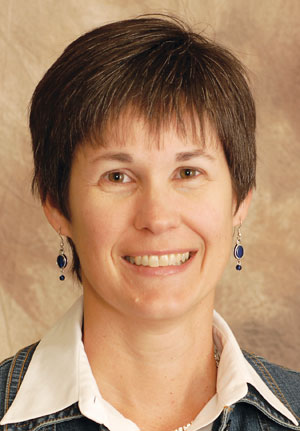
Mim Shirk is vice president with Mennonite Health Services Alliance of Mennonite Church USA.


Have a comment on this story? Write to the editors. Include your full name, city and state. Selected comments will be edited for publication in print or online.