


Leadership: A word from Mennonite Church USA leadership
In Outliers: The Story of Success by Malcolm Gladwell, one of my favorite authors, Gladwell writes about what makes people successful, suggesting that people are not just naturally successful. When you follow their lives, you see that their journeys prepared them.
Reflecting on the book led me to think about my own journey and the opportunities and challenges that have brought me to where I am today. Right away, two life lessons came to mind.
The first was from when I was in Girl Scouts at age 12 or 13. We were planning our first camping trip, and each group picked a leader. My group chose me. We were responsible to make sure we had all we needed for our camping trip. Our group made a list and decided what each person would bring. It was so easy. All I had to do was assign the items and wait for the day we’d meet at the campgrounds, which was four weeks away. I didn’t give the trip another thought.
The day of the trip, one-third of my team did not even show up. Two of the girls who didn’t come were in charge of bringing the tents, so our group was without tents. That night we ate corn on the cob and a baked apple because our meat and salad didn’t show up. We slept half the night in the cold, until some other teams invited us into their tents, even though it was crowded. We were not happy campers.
My team was furious with me, since it had been my job to make sure that what we needed got to the camp. It hadn’t occurred to me to call my team members to make sure they were coming or to see whether they needed help in securing their assigned items. I felt I had failed as a team leader.
However, I did learn some valuable lessons. A good team leader keeps in contact with her team. She makes sure team members are moving forward in their assignments and offers help or suggestions if there are obstacles and that other team members are willing to help if the team leader asks for it.
My second wake-up call as a leader was during my senior year of high school, when I was vice president of my class. Each year, every class built a huge float for the homecoming parade, and that year our class was to build a Viking ship. The class president was voted homecoming queen, so I was put in charge of organizing the construction of the float with only three weeks to go. I was terrified. Our floats had won every year previously, and now I had to figure out how to construct a Viking ship.
Luckily, our class advisor was a wonderful teacher and mentor. After I went to her in tears, she lovingly sat me down and told me, “You have the skills to put this together.”
She worked with me to make a plan and advised me on how to recruit volunteers from my class. She told me I needed to display confidence that we could accomplish the task and bring some joy and excitement to the effort. The next day—fliers in hand—I invited every senior I came in contact with to a fun time of float building, sharing my excitement about what we could accomplish with their help. I made it our project rather than my responsibility.
In the end, we had plenty of volunteers, and our float won first place. Even though the experience was stressful, I learned more leadership lessons: First, mentors are invaluable resources for leaders. Second, as leaders we must convey confidence and joy in what we do, if we expect others to join us. Finally, as leaders we must share the responsibility so that others also can have a sense of accomplishment and take ownership in the work.
What I learned about myself was equally important. If I allow myself to be vulnerable and ask for help, there are people who will walk with me and guide me. Had I not had the disastrous camping trip, I might not have asked for help with the float. I believe the two experiences are linked.
These experiences have had a significant impact on the leader I am today. I’ve come to believe that what makes a good team is communication, confidence, building a vision and allowing others to share in the responsibility and work toward the vision. Most importantly, a leader who knows his or her limits and is able to ask for help can become a role model for others who are trying to find their way in leadership.
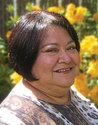
Iris de León-Hartshorn is executive conference minister for Pacific Northwest Mennonite Conference.


Have a comment on this story? Write to the editors. Include your full name, city and state. Selected comments will be edited for publication in print or online.