


Leadership: A word from Mennonite Church USA leadership
As followers of Christ, we take seriously the call to live as faithful stewards of all that God has entrusted to us. Our faith should inform our decisions and practices in use of money but also our use of time, talents and how we care for our health and our relationships with God and others.
The message of stewardship needs to be given attention year round in our congregations —not just as a year-end reminder to give to the lagging budget. This year, MMA is encouraging key practices from a research study, “Year-Round Congregational Stewardship: Six Best Practices,” by the United Church of Canada. The following six best practices can help congregations achieve a holistic approach to stewardship:
1. Operational management: The operational management of our congregational giving plan needs to go beyond meeting our budgets. We need to communicate that our giving plans support internal ministries as well as the mission beyond the congregation.
Sound fund-raising methods can help make our congregational giving plan more than just meeting the budget. Clearly communicating our congregational vision and story helps connect the dollar amounts with our congregational ministries.
Asking members to estimate or make a commitment of their annual giving makes congregational giving a priority for the year. There are many opportunities for giving beyond the Sunday morning offering, such as electronic funds transfer, online giving, planned-giving arrangements, fund-raising events and special offerings. Whenever we communicate with our members about the giving plan, be sure to express appreciation and thanks to those who make it a priority.
2. Stewardship and worship: Stewardship and worship are about offering our whole selves to God. Regular teaching on stewardship can be included in the worship service through sermons, prayers and litanies, stewardship quotes, bulletin covers, Scripture texts and children’s lessons. There are a variety of ways the offering can be celebrated as an act of worship.
3. Stewardship formation: Forming identities as Christian stewards will help counter the consumer culture that surrounds us. This is reinforced when we emphasize that we ‘offer” worship to God rather than “being fed.” Stewardship education as an aspect of spiritual formation needs to focus on all ages within the congregation.
4. Stewardship leadership: Unless someone is assigned the responsibility for the stewardship mission of the congregation it will probably not get done. In many congregations, a stewardship or finance committee is responsible for tending the budget, but little attention goes into the stewardship focus of the church beyond this.
5. Spiritual nurture opportunities: Understanding one’s identity as a steward goes hand in hand with spiritual maturity. People who take their role as a disciple of Jesus seriously tend to reflect that in their expression of generosity, including management of their time, talent and money.
6. Engagement in social justice and peace: How we use our resources reflects the level of concern we carry for those beyond ourselves. It has been suggested that a church giving plan/budget is the best window into the soul of a congregation.
How we divide and distribute our money as congregations suggests whether we are concerned only for ourselves or for those who live across the street and around the world as well. The giving that congregations commit to assists others and has a direct justice and peace component. Congregations should be challenged to consider giving to missions and faith-based relief work around the world as part of our responsibility in extending healing and hope to the world.
I encourage congregational leaders to evaluate where your congregation is doing well and identify areas for improvement in stewardship ministry. MMA’s professional staff can help through a wide range of presentations and resources.
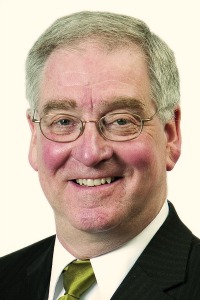
Larry Miller is president and CEO of Mennonite Mutual Aid.


Have a comment on this story? Write to the editors. Include your full name, city and state. Selected comments will be edited for publication in print or online.