


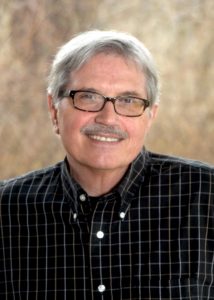
Ken Gingerich is moderator of Mountain States Mennonite Conference and attends Albuquerque Mennonite Church.
Orlando 2017 was a real low for me.
Actually, yes. It was the convention where I ran into the lowest number of relatives—two second cousins to be exact. Not that many of my relatives are interested in or part of the Mennonite community any more. Things have changed a lot in my family or origin. We are no longer cradle-to-grave, ethnic Swiss/German/Prussians who end up in the faith community into which we were born. I doubt if my family’s story is unique.
I’m not really regretting this. It’s not that I don’t miss or love members of my extended family—I can play the family connection game with the best.
But I’ve come to accept and rejoice in the fact that the future of our Anabaptist/Mennonite identity no longer depends on a single or dominant “Mennonite” culture. Those closed cultural connections are fading fast.
And what’s replacing it is wonderful and refreshing. It’s the promise we’ve been waiting for over generations. Folks out there actually love our theology and our clumsy ways of being church and trying to follow Jesus. And they are joining in and adding their energy, unique perspectives and cultural traditions to the mix. Our spiritual DNA pool is rapidly expanding and we are being transformed by it.
This was evident in the free-flowing conversations and genuine exchange of ideas I observed at Orlando. It was evident in the messy, herky-jerky processes we experienced.
It was awkward at times and we knew it. Sometimes it was threatening. Mostly it was honest.
It was evident it in the way the voices of the people were melded in the discernment processes of the Future Church Summit. It was evident in a growing recognition of the presence and gifts of the LGBTQ community. It was evident in frank conversations about the use of power and the lack of representation of people of color. We lamented the absence of Indigenous voices and grappled with the horrible legacy of the Doctrine of Discovery. We saw the tears and sensed the fears of folks who feel deeply the loss of friends and connections as congregations continue to peel away from the larger church. We recognized our need to engage more creatively in the environmental crisis that is threatening our future existence. It was clearly evident in an unprecedented surge of young adult participation.
It was both chaotic and comforting. There were pats on the back as well as challenges to live up to our aspirations. We deliberated and passed a thoughtful Israel/Palestine resolution. At the end, we faltered a bit. The powers still press in on us. But we are naming things and that is hopeful.
In some ways Orlando 2017 felt more representative of my home congregation—Albuquerque Mennonite—than any convention I’ve experienced so far. AMC is a combination of a minority of attenders who grew up in Mennonite homes and a majority who come from other faith traditions or no faith tradition at all.
Yes, we still struggle honestly with insider/outsider cultural differences. We do reflect the university neighborhood we’re located in, but for sure we’re too white, too monolithically progressive and too educated.
I like to say we’ve grown from the Anabaptist acorn that dropped off of the mature tree and have taken root in our own unique soil—reflecting much of the quirkiness and weirdness that is Albuquerque (kudos to Rachel Held Evans for her talk on “Keeping church weird.”). We know about messy processes. But we are Anabaptist. And Mennonite. And we are part of the future.
A number of years ago I got into making bookmarks and giving them to friends. One quote I loved to use was from Sharon Daloz Parks, “The sign of God is that we will be led where we did not plan to go.”*
Lately I’ve been drawn to that quote again. To me it means we need to depend on the revelation of the Spirit—which I think these days comes as much through the voices of new Anabaptists and from the margins—as from our own traditional voices. We need them all.
Ched Meyers [of the Bartimeus Collective] once said that one thing he admires about Mennonites is that we’ve got 500 years of street cred. I think that’s quite a challenge. But the slow turning of the church I saw at Orlando makes me think we might be able to live up to it.
*From “Led to places we did not plan to go”, by Sharon Daloz Parks. Trinity (Summer) 1996: Special Issue Lilly Fellows Program in the Humanities and the Arts.


Have a comment on this story? Write to the editors. Include your full name, city and state. Selected comments will be edited for publication in print or online.