


It may be more or less possible to know and do nothing, but it is not possible to do and know nothing. One does as one knows. —Wendell Berry
My plumber was installing a water heater for us several years ago, and in the course of conversation he claimed to be sympathetic to the Tea Party movement.
“I don’t mind paying for roads and schools,” he said, “but the government takes our money and uses it for stuff that I don’t know where it’s going.”
It soon became apparent that the “stuff” was programs like subsidized housing, welfare and food stamps.
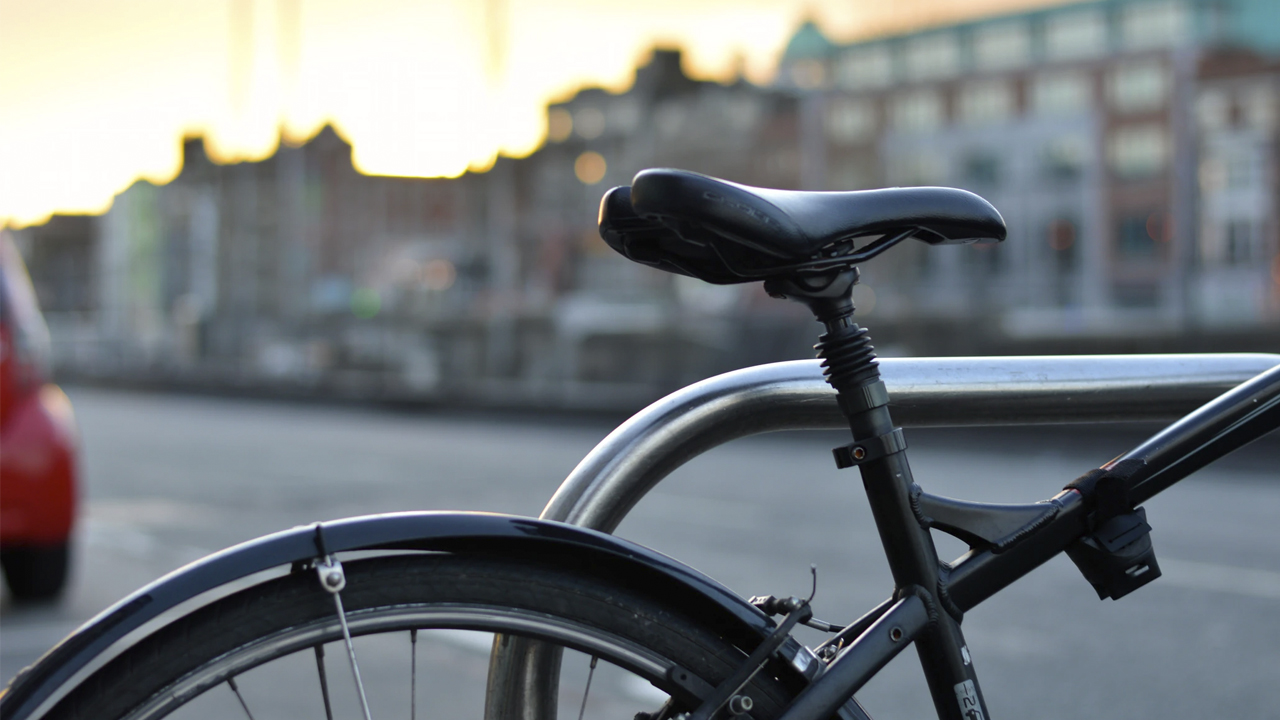
“Look,” he continued, “I want to help people. I believe that everyone should have what I have. If my kids have bikes, then other kids should have bikes, too. We help our church buy gifts at Christmas for families who can’t.”
I was struck by his comment, which sounded rather socialist for a Tea Party enthusiast. More important, what a magnanimous belief: “Others should have what I have.” This is another version of the Golden Rule, I suppose, but it sounds different when framed by possession rather than action. In our consumer, materialist culture, this version feels more relevant — and difficult.
It is imperative to recognize that not everyone wants what my kids have. I’m sure there are plenty of kids who would exchange the bike for AirPods or Air Jordans. It is unhelpful and patronizing to assume that my values and priorities are universally shared.
Still, I think the sentiment is a good place to start, because humans do share many of the same needs and desires. If something is important to me, it is very probable that there are others, somewhere, who value it as well.
My plumber clearly knew his Bible. When the crowds came to John the Baptist in the wilderness they asked, “What should we do then?” He replied, “Anyone who has two shirts should share with the one who has none.” Put another way: Others should have what you have.
It sounds like an easy thing to do, but what do you wear when your remaining lone shirt gets dirty, or ripped, or lost? Yes, you already had two — more than enough — but the loss of the extra is still scary.
What would it mean for others to have what I have? And does this extend to nonphysical possessions?
Unfortunately, unlike a $150 bike, many of the things I value are things I can’t give.
Among many material things, I am grateful for health insurance, a reliable car, an annual vacation, food security and extracurricular activities for my kids. I could personally fund some of these things for a person or two, but my financial resources would soon run dry.
Spreading the expense out among many people makes sense. Churches come together to provide for those who aren’t able to. But even a large church cannot insure the entire town. Or send every child to college.
Nonprofit organizations do much good through money coming from thousands of donors. Also, unlike my Tea Party plumber, I do think government could have a role in ensuring that “everyone has what I have,” whether that is passable roads, elementary schools, health insurance, a living wage and affordable college education.
Also, I recognize that material things do, in fact, provide essential intangible blessings.
When I watch my children sleep at night, their bodies clean and tummies full, I ache for every other mother to have the same peace of mind that I have.
When I come home after an evening of teaching, for which I am fairly compensated, I wish for everyone to have the same sense of worth and accomplishment that I feel.
There are more intangibles: I am grateful for those who have invested in my life and my family’s life. I have the privilege to assume I will be respected by strangers and shown common courtesy. I can’t imagine a life without the bedrock knowledge that I am not alone. I hope I am willing to work so others have these things as well.
I have no magic wand or grand plan to make the world an equal place. My only recourse is to follow my plumber’s good advice and ask the Holy Spirit to show me the ways that I can give a child a bike or my extra shirt to someone with none.

Have a comment on this story? Write to the editors. Include your full name, city and state. Selected comments will be edited for publication in print or online.