


At the beginning of this year, I received an invitation from the Anabaptist community in western Ethiopia, where a significant portion — about one-third — of the Meserete Kristos Church’s members reside. Initially, I felt apprehensive about traveling to this region because of concerns about potential kidnapping for ransom. The invitation posed a dilemma: Should I honor the request to meet with them, despite the risks?
After some deliberation, I suggested relocating our meeting from a precarious location to a safer venue. The church responded positively, opting for the regional capital, which provided a more secure environment for someone traveling from the main city.
During my visit, I facilitated a training session focused on peacebuilding and trauma healing for church leaders and pastors. One pivotal question I posed was how they had managed to cope with the violent conflicts that had plagued their community over the past five years. Their responses revealed a range of coping mechanisms that demonstrated their resilience as followers of Christ.
In this article, I reflect on the insights the church leaders shared. Their insights illuminate a path to survival and strength amid adversity.
While these coping mechanisms may not directly address the root causes of ongoing ethnic violence in the western Ethiopia, they provide essential strength for the followers of Christ as they navigate the daily challenges of conflict. Indeed, amidst life’s adversities, these coping strategies empower individuals to persevere, reminding them that they can endure even the most difficult circumstances.
1. Prayer
The believers in western Ethiopia recognize that the only way out of their crisis is through God’s help. In their struggle, they find themselves largely abandoned; the government is preoccupied with fighting militants, while militant groups are locked in conflict with each other, leaving the community vulnerable. These militants rob the believers, demanding food and threatening violence against anyone who resists. In this dire situation, the believers turn to God as their sole source of comfort. They pray privately and occasionally gather for collective prayer, expressing their burdens and heartaches to him. In moments of despair, they grapple with their suffering, questioning why God allows them to endure such trials. Believers cry out to him, seeking understanding and answers. Even when immediate responses elude them, the act of sharing their struggles with God brings them a sense of relief.

2. Meditating on the Word of God
Displaced believers find themselves without Bibles, as many have been burned or lost amid the chaos of conflict. For those fortunate enough to possess a Bible, these difficulties have become a time of profound engagement; believers are reading more than ever before. Meanwhile, those without a physical Bible draw on the verses stored in their hearts, reflecting deeply on the promises God made to his people in times of trouble throughout scripture. Believers meditate on these stories, clinging to the hope that God will one day protect and restore them, allowing them to return to their homes, tend to their fields and live in peace once again. Many shared with me how immersing themselves in the Word, whether through reading or meditation, has enabled them to place their hope in God, rather than being consumed by their current circumstances.
3. Coffee hour
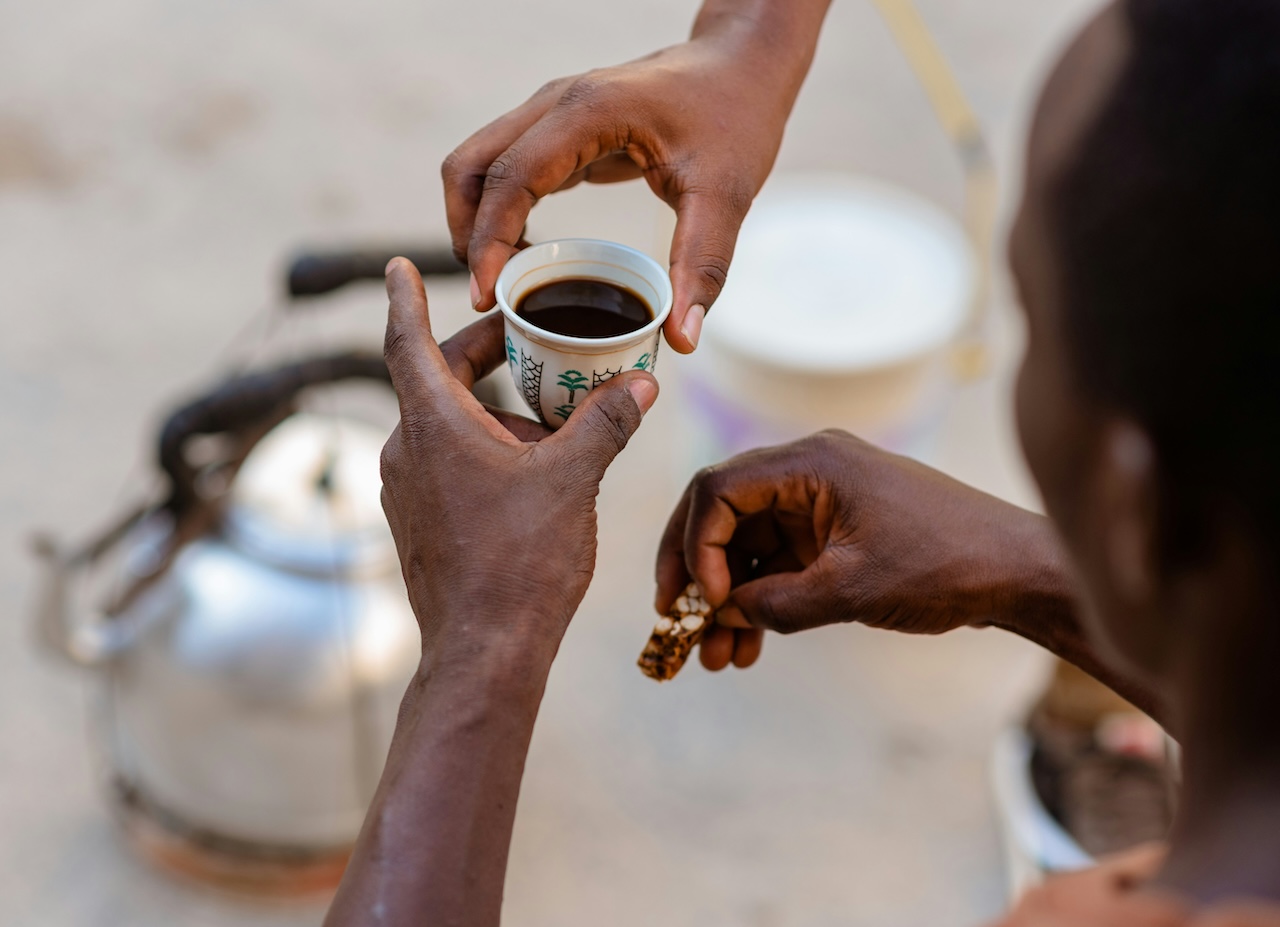
In the neighborhood, it is a cherished cultural tradition for residents to gather for coffee in the morning and evening. Despite the surrounding violence, this practice endures, serving as a vital thread of community connection. During these coffee hours, everyone is offered a snack and two or three cups of coffee, which creates an inviting atmosphere. Neighbors share information freely; anyone who hears or sees something new is encouraged to share it with fellow coffee drinkers. Conversations naturally drift toward inquiries about one another’s well-being, with questions about recent attacks, health issues or any special circumstances that may have arisen. This informal gathering becomes a forum for men, women, and children alike, fostering a sense of unity and support. Even though I don’t drink coffee, I truly appreciate the fellowship that flourishes during these gatherings, as the collective presence of others ensures that no one feels alone.
4. Singing a song
Songs play a vital role in culture, serving as a powerful means of expression for individuals and groups alike. People sing to convey a wide range of emotions — sadness, anger, bravery, hope and joy. Sometimes melodies resound loudly; at other times, they are softly whispered. For believers, gospel songs resonate deeply within their hearts, becoming an essential part of their daily lives. They sing while walking, during chores both indoors and outdoors, allowing their thoughts and feelings to flow through each note. When gathered together, people singing these communal songs create a shared experience, uniting voices in harmony and strengthening the bonds of community.
5. Remembering the past
Storytelling is a cherished tradition within the local culture of western Ethiopia. People come together to share their experiences. When believers congregate, they often reminisce about the past, particularly recounting how God guided them through the harrowing persecution of the Derg regime, a time marked by significant suffering and hardship. The Derg’s campaign aimed to eradicate the Christian faith, and many believers paid a price for their devotion. Ultimately, the Derg regime collapsed after several tumultuous years, bringing an end to that chapter of adversity. Yet, as they reflect on their past trials, these believers maintain a steadfast hope that God will continue to support them in the face of current struggles, just as he did before.



Have a comment on this story? Write to the editors. Include your full name, city and state. Selected comments will be edited for publication in print or online.