


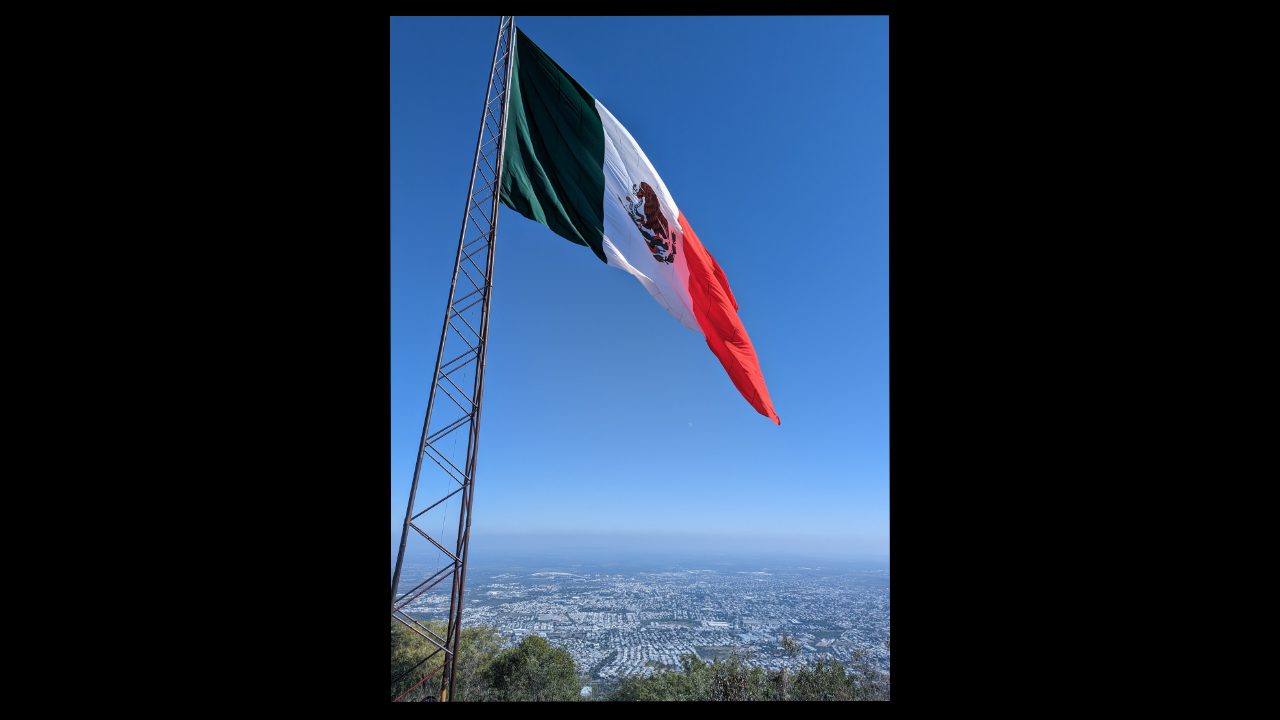
Mexican festivities are scheduled to take place this weekend all over the United States. Sadly, because of the current administration’s persecution of immigrants, many are afraid to go out and celebrate. Major cities like Chicago have already announced they will be scaling down their plans for the celebrations owing to security concerns for those attending. Yet Mexicans are not known to miss a party.
The night of Sept. 15 — early morning of Sept. 16 — at midnight, the legend goes, the Mexican people were called by church bells to join the fight for their independence from the Spanish colonial power that had ruled for several centuries. How we learn and tell this story is complicated; just like anything else, there are conflicting narratives of celebrated heroes’ motifs, distinct groups’ roles in the fight and successive role in power, the role of the Catholic church in all of it, etc. However, what I would really like to focus on is the evolution of this event to the current-day Mexican culture of festivities and community celebration.
1. The place
Mexican independence celebrations are similar to Fourth of July festivities. There is usually incredibly loud music playing in the streets close to the Palacio de Gobierno or town hall. The streets surrounding the town square are also usually closed, and street vendors fill the sidewalks with traditional foods like tamales, pozole and tacos, which are among people’s favorites. These street vendors are also typically families or women that take the opportunity to use their cooking skills to raise some extra money for their families. So, not all food vendors are dedicated to it year round, but rather make of this date a special occasion to increase their income while being present at an important community event and socialize with others.
2. The liturgy
At the town hall, at midnight, the highest elected government officer in the city, be it the mayor, governor or president, addresses the people from a balcony and rings a bell while yelling out the names of independence heroes. The people will respond after each name with VIVA!, which can simultaneously be interpreted as ALIVE! or HURRAY! After calling out the list of names, the officer will end by yelling as enthusiastically and loudly as possible: VIVA MEXICO! several times, with the crowd responding in chorus: VIVA! The night usually ends with a show of fireworks immediately following the last call and response.
3. The fight
Mexico, like many places in the Americas, has a long history of colonialism under a European superpower. In this case, it is Spain. The Catholic church also played a major role in the way Indigenous people were dehumanized and displaced. This was because of the doctrine of discovery that the popes had been crafting since the 1450s. The doctrine elevates Europeans, particularly Christian Catholic Europeans, over other ethnic groups and allows them to displace such groups from their lands and even subject them into servitude. This may sound familiar to the histories in the United States and Canada, but the Spaniards even had a caste system that differentiated from Iberian-born individuals and those born to European parents in the “new land.” This added to the groups of people who held grievances against the system used to govern. Today, little is said about the Spanish, the King or Crown, the Iberian-born or Peninsulars (as they were known); rather, the focus is on celebrating the fight for equality and representative government.
4. The nationalism
There is a sense of national pride during these festivities that can be felt among Mexican nationals. Nevertheless, I would not conflate it with the American patriotism that we have grown accustomed to seeing in the United States. In Mexico, people generally do not idealize law enforcement or the military. Neither do they place all their hopes on politicians. Mexicans tend to be realists; we know institutions and systems are corrupt and cannot be fully trusted. However, we love our culture and our people. We also love our country for its beauty and richness of all things: geography, fauna, flora, food, language, textiles, art, etc. So, celebrating the rebirth of the nation, its freeing from occupation and oppression, certainly does not feel like an overly nationalistic act, but more of an observance in gratitude of the emancipation process that we now benefit from, as flawed as it was and still may be now.

5. The significance
El Grito, as it is often called (“the shout” in English), refers to the midnight call to battle that is reenacted every year from the balcony of the Palacio de Gobierno. It is usually experienced by all Mexicans at least once in their lifetime. It is a memorable experience, particularly when attended as a child, as it always happens at night, with fireworks and crowds that can overwhelm anyone’s nervous system. Being among the crowd relates a sense of place and belonging that cements one’s identity as Mexican. It allows one to relate to the community in a way that is often not accessible; yet as a Mexican, one knows it’s there. But if gringos/as decide to join, they are always welcomed and encouraged to shout at the top of their lungs, VIVA MEXICO!



Have a comment on this story? Write to the editors. Include your full name, city and state. Selected comments will be edited for publication in print or online.