


Ethiopia is a multiethnic, multilingual and multireligious nation. As the second most populous nation in Africa, it is home to over eighty diverse ethnic groups. Since 1991, Ethiopia has adopted an ethnic-based federal system, resulting in the establishment of 12 regional states and two city administrations. This governance model has, in part, led various communities to prioritize ethnic identity, fostering an environment where ethnic affiliations often take precedence in people’s lives.
While many ethnic groups historically coexisted peacefully in most regions, there have been outbreaks of ethnic violence in certain areas. These conflicts are fueled by a combination of factors, including competition over resources, unresolved historical grievances, youth unemployment, poverty and inadequate governance. The consequences of such violence have been dire: loss of life, mass displacement, economic hardships for families and communities, eroded trust among rival ethnic groups, destruction of essential infrastructure and a decline in social services in the affected regions.
In these conflict zones, churches and their congregations have endured the same challenges as other community members, and at times, they have been specifically targeted due to their faith by individuals or groups opposed to their beliefs and practices. In response to these pressing issues, evangelical churches, including the Meserete Kristos Church, have engaged in peacebuilding initiatives and provided humanitarian support to those affected, striving to mend fractured relationships and foster community stability.
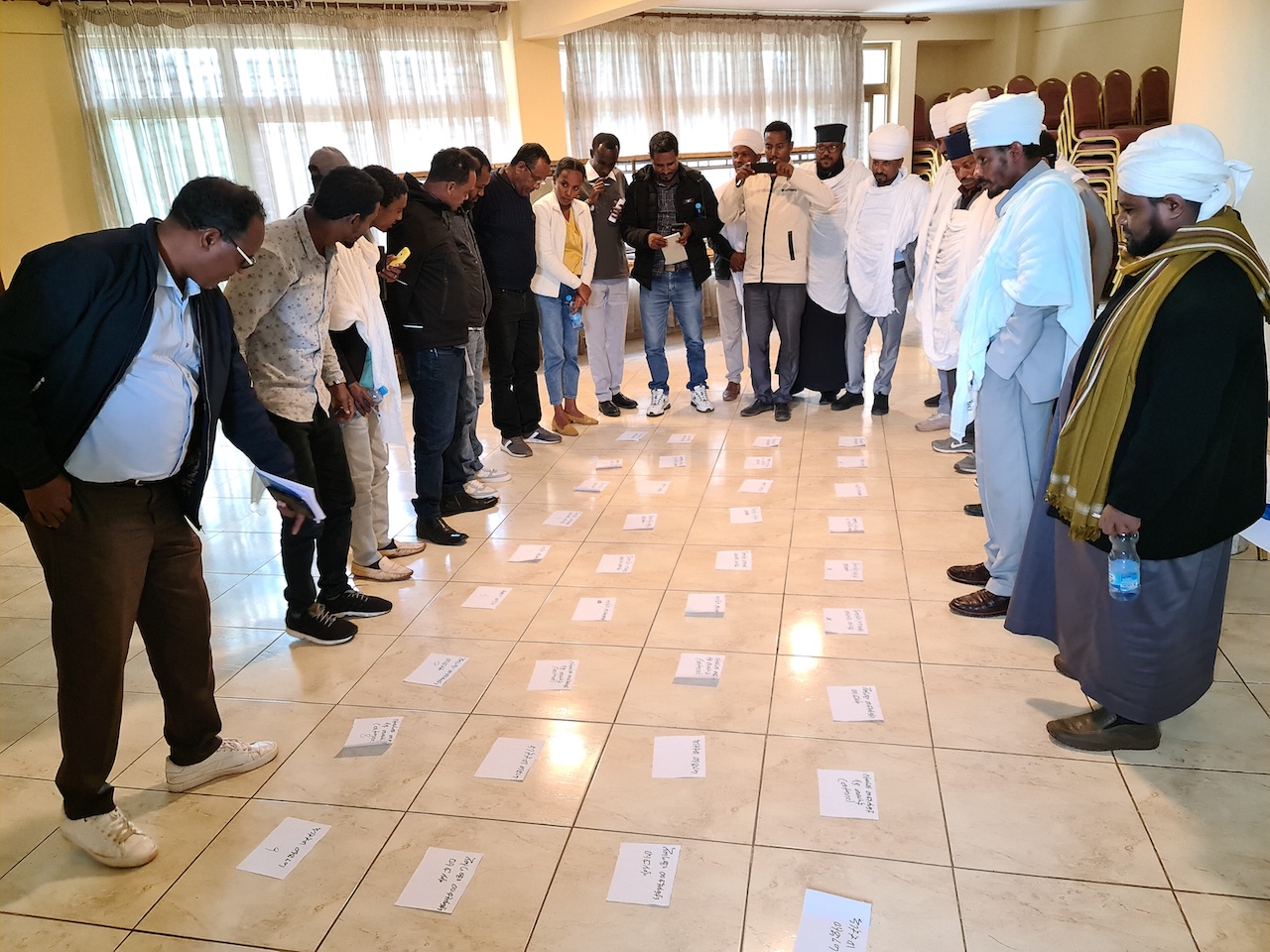
I traveled to various regions of Ethiopia to conduct assessments, facilitate training and evaluate initiatives related to peacebuilding and trauma healing in collaboration with faith-based organizations. During my conversations with diverse faith leaders, particularly within evangelical churches, I observed closely their responses to conflict, especially in the context of ethnic-based violence. From these observations, I identified and categorized their approaches to such violence into five parts.
My journey exploring faith leaders’ responses to ethnic-based violence revealed a spectrum of approaches, from nonresistance and nonviolence to self-defense, aggression and confusion. Understanding these diverse perspectives, I think, is vital for developing effective peace-building strategies, fostering resilience and creating cohesive communities capable of addressing root causes of violence.
1. Nonresistance
The non-resistant believers firmly adhere to a biblical principle of refusing retaliation against violence, despite suffering severe aggression, such as murder and theft. They view God’s sovereignty as paramount, believing he will administer justice at the right time. This theology is rooted in a fatalistic worldview, which suggests that fate determines individual and communal outcomes. These believers interpret biblical texts, like Ecclesiastes 9:11, to support the belief that human actions cannot alter preordained destinies.

As part of their response to violence, non-resistant believers promote collective repentance and prayer, seeking divine intervention rather than actively resisting aggressors. However, despite the believers’ intentions, this passive stance may embolden perpetrators and leave the community vulnerable. While the reliance on prayer is vital, this approach does not merge faith with proactive measures to foster resilience and address root causes of violence.
2. Nonviolence
This group of believers maintains a strong faith in God’s sovereignty while emphasizing the importance of human agency in combating violence. They reject retaliation, viewing even aggressors as deserving respect and dignity since they are made in God’s image. Inspired by Jesus’ teachings, nonviolent believers advocate for peace over conflict and engage local authorities and mediators for reconciliation. Young members leverage social media to promote nonviolence, urging rational dialogue to de-escalate tensions.
Nonviolent believers see the root of violence in malevolent forces, prompting them to pray for aggressors rather than attack them. Their commitment to nonviolence often leads to fleeing dangerous situations, which carries social stigma and economic hardship. Nonetheless, these believers prioritize life and dignity, facing ridicule for their choices. Ultimately, their convictions reflect a profound understanding of violence’s complexities, showcasing the power of faith-driven initiatives in fostering peace and embodying God’s love amid adversity.
3. Self-defense
Some believers emphasize human responsibility while trusting in God for protection, presenting a biblical rationale for self-defense against aggressors. They reference scriptures like Exodus 22:2-3, which underscores the duty to protect property, and Luke 11:21, which implies that being armed can safeguard possessions. They argue that self-defense is a means of preserving the life God created, thus protecting the innocent from malicious intent.
Some members highlight Jesus’ instruction to acquire swords (Luke 22:36), noting that while they don’t advocate for a widespread armed populace, they believe firearms are necessary for community safety against imminent threats. This use of scripture prompts believers to critically examine their faith in light of modern challenges, fostering deeper theological discussion. The experiences of these believers reveal the interconnectedness of communities, sparking dialogue on balancing faith with self-defense, the ethics of violence and individual responsibilities in the face of threats.
4. Aggression
Believers adopting an aggressive stance are propelled by historical grievances against other groups, which have led to deep resentment among the victims. Leveraging ethnic conflict for retaliation, they indiscriminately target the groups they think were the cause of the problem, driven by a desire for vengeance tied to perceived collective suffering. Heavily influenced by Old Testament warfare narratives and the principle of “an eye for an eye,” they justify their aggressive actions as necessary for liberating their people and reclaiming ancestral lands. This situation underscores the intertwining of historical injustices, ethnic identity and religious justification, highlighting the complexities in addressing ethnic tensions.
5. Confused
Believers find themselves in a chaotic environment, caught in a conflict that was not only overwhelming but also hard to understand. Confusion has deep psychological effects; many feel stuck, trapped in anxiety that clouds their judgment and makes it difficult to act. Instead of building a sense of community or strength, these believers’ paralysis cause confusion and helplessness, leaving them unsure how to respond to the challenges they face. Their spiritual practices, which usually offered comfort and guidance, become sources of distress. Unable to express their fears or focus their thoughts, they struggle with prayer — once a lifeline in difficult times — that now feels intimidating. This break from their beliefs increases their feelings of isolation, as they deal with doubts not just about the external conflict, but also about their faith and their ability to handle tough situations.



Have a comment on this story? Write to the editors. Include your full name, city and state. Selected comments will be edited for publication in print or online.