


About ten times Jesus appears to his followers after his death and resurrection, and it’s usually for a meal. Even when he meets them on the beach, he makes them breakfast.
In the memorable story of the road to Emmaus, his friends recall “how He was known to them in the breaking of bread.”
Jesus’ living ministry is around dinner tables and radically sharing food; he is recognized after death and resurrection as he breaks and shares bread. “He appeared to them as they were sitting around the table” we read in the gospels (Mark 16, maybe Luke 24 — doesn’t say where they are gathered in Jerusalem, and John 20).
How and where the risen Christ meets his friends is a sunny yellow highlighter proclaiming, “This is what we’re about!”
The disciples are probably gathered in the upper room where they shared the Last Supper. It’s the Passover Seder in the synoptic Gospels, a couple days earlier in John. Jesus returns to the scene of the liberation festival they shared.
Think of the Maundy Thursday services you’ve attended. Church basement as the sun sets? Tables segregated by gender? If you’re allowed to talk, is it somber? Maybe just stilted? I love our Love Feast traditions, from the pensive to the peppy. There’s room for myriad styles and details at the Lord’s Table.

We live Thursday in preparation for Friday. Jesus’ friends lived Thursday in remembrance of the Exodus. Passover puts salty tears, bitter herbs and sweet fruit on the seder plate. The stories are told through food. Gratitude and hope are proclaimed and reclaimed.
As Jews throughout the world prepare for Passover to begin later this month, we recall its liberation origin and millenia of festival traditions. Turn to 2 Chronicles 35 for a story of revival. King Josiah, with a covert’s fervor, leads the people in a Passover to remember. No passover like it had been kept in Israel since the days of the prophet Samuel; none of the kings of Israel had kept such a passover as was kept by Josiah, by the priests and the Levites, by all Judah and Israel who were present, and by the inhabitants of Jerusalem (35:18).
You know the revivals and conversions you need in your own heart and life, that your community aches for, that our world breaks for.
As many Jews are using up the chametz (leavened food, or more specifically, fermenting or fermentable grains) in their homes to prepare for Passover’s eight nights and days, consider these questions:
- What preparations do you need to make for your own revival?
- How can you make room for Resurrection?
- Whose conversion – from despair to hope, from hungry to fed, from violence to reconciliation – are you called to participate in?
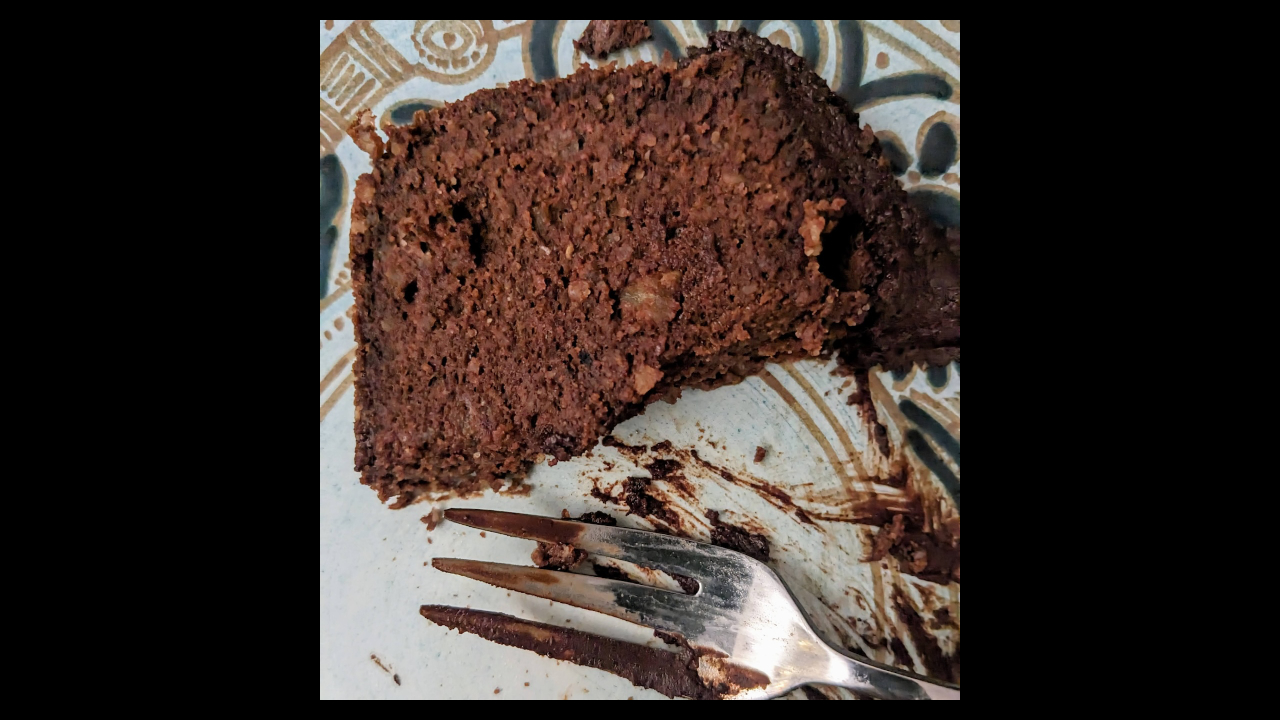
Passover is the liberation party that Jesus shared with his loved ones, and the table he returned to in resurrection power. Take part, with people of all places and times, and make a cake!
This recipe is adapted from Tamar Fasja Unikel, who grew up in a tight-knit Jewish community in Mexico City and whose family earnestly celebrated Passover. Mexico shimmers on this cake in the café de olla (coffee sweetened with piloncillo and cinnamon) frosting. Piloncillo is the Mexican word for dried sugarcane juice. You may know it as jaggery in South Asia or panela in other Spanish-speaking countries.
Since this is a Passover cake, it is gluten-free, and may be made dairy-free as well. It will not enjoy becoming vegan, due to the volume of eggs.
CAKE
- 7 T unsalted butter (can use vegan butter)
- 1 cup (150 g) chocolate*, chopped
- 1¼ cups (125 g) raw pecans, plus chopped for serving
- 1 cup plus 2 Tbsp. (125 g) almond (or macadamia) flour or meal
- ¼ t salt
- 6 large eggs
- ¾ cup (150 g) granulated sugar
FROSTING
- 1½ cups (200 g) chocolate*, chopped
- ¾ cup heavy cream (can use coconut milk)
- 1 T finely ground coffee
- ½ t cinnamon
- ½ t grated piloncillo or brown sugar
- Pinch salt

When making this Passover cake, choose the chocolate for your taste. We use one half unsweetened and one half 70%. — Anna Lisa Gross
*Use chocolate according to your taste. We used ½ unsweetened and ½ 70% because we like strong, less-sweet desserts.
- Place a rack in middle of oven; preheat to 325°. Prepare a loaf pan with parchment paper and/or oil. Melt chocolate and butter by your preferred method.
- Pulse pecans in a food processor until somewhat finely ground. Pulse in almond meal and salt; set aside. (If you need to start with whole almonds/macadamias, pulse those first, adding pecans and salt at the end.)
- Beat eggs in the bowl of a stand mixer fitted with the whisk attachment on medium-high speed until fluffy, about two minutes. With the motor running, gradually stream in sugar and beat until mixture is very pale and nearly doubled in volume, about one minute. Stream in reserved chocolate mixture and beat until homogenous. (If you don’t have a stand mixer, you can do all this with a food processor, hand mixer or whisk.)
- Fold in nut mixture. Pour batter into pan.
- Bake, rotating halfway through, until a tester inserted into the center comes out with just a few moist crumbs attached, about 1 hour. Transfer to a wire rack and let cool.
FROSTING
- Place chocolate in a medium bowl. Bring other ingredients to a simmer. Pour over chocolate, whisking constantly until melted and smooth. Let cool until thickened slightly, about 20 minutes.
- Turn cake out onto a large plate or cake stand and turn right side up. Frost. Scatter chopped pecans over as desired.



Have a comment on this story? Write to the editors. Include your full name, city and state. Selected comments will be edited for publication in print or online.