


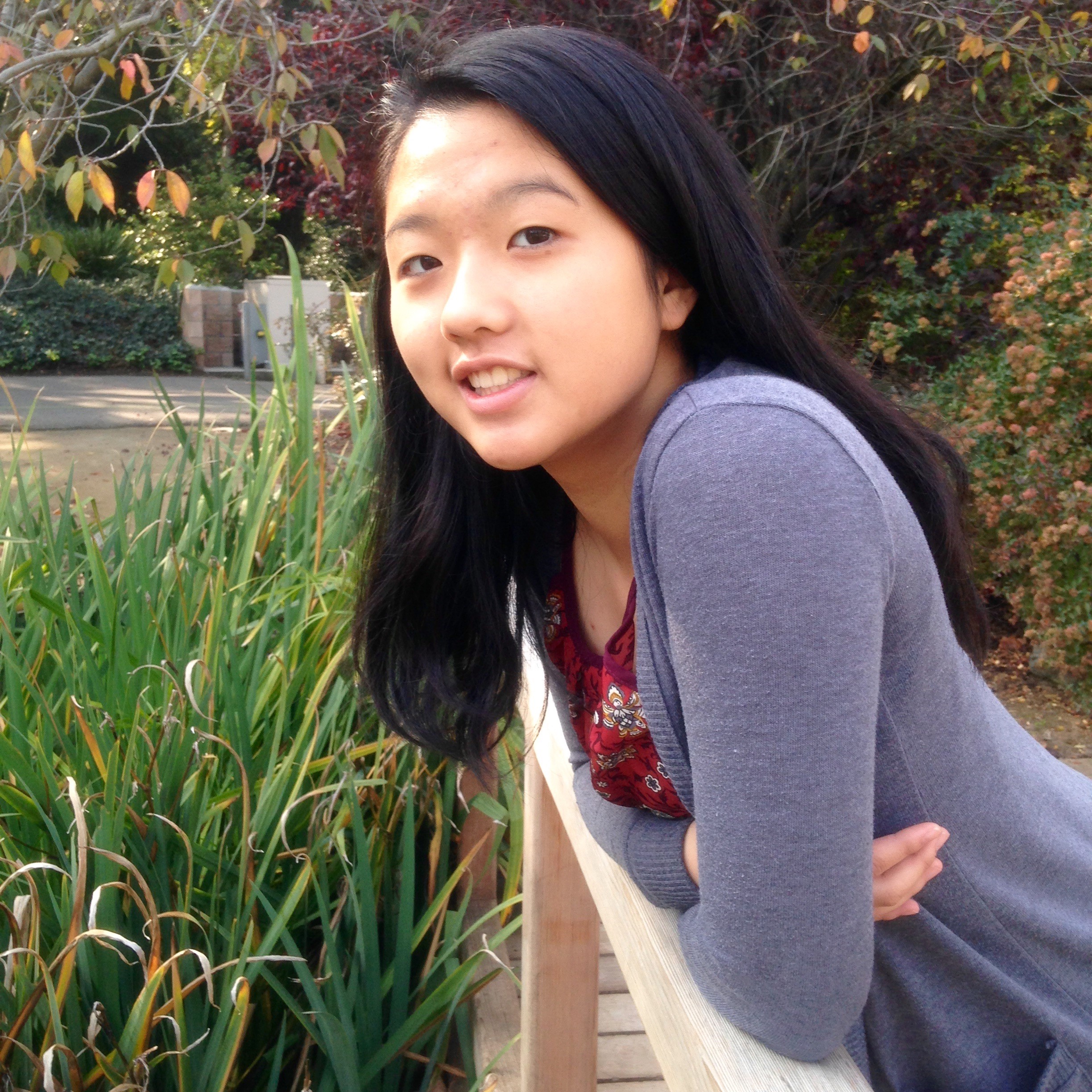
Lynn Hur is a ninth grader living in Pasadena, California. She attends Mountain View Mennonite Church, Upland, California. When she is not writing, you will find her in the kitchen reading her favorite cookbooks and perfecting her chocolate chip cookie recipe.
This piece originally appeared in the February issue of The Mennonite magazine on Mennonites, race and faith. Subscribe today to receive more full-length features like this in your mailbox each month.
The classroom is silent, apart from the ticking of the clock and the shifting of a chair. My English teacher looks at us pensively as my classmates awkwardly look around, waiting for someone to speak up.
We had been beginning to read To Kill a Mockingbird, and the inevitable subject of race had been brought up again. My friend tells the teacher she cried watching the assigned documentary following the Scottsboro Trials and how she couldn’t believe the injustice of it all. Heads nod in agreement.
I respond that this isn’t just something that happened in the past but is happening today as well. My teacher nods once, agreeing.
I try to continue but get cut off. “Moving on,” he says. “You guys can talk more about that in a history class. We don’t have time to get too deep into the details.”

I look around in disbelief. In history class? This stuff is happening now. And freshmen don’t even take history. This topic is relevant in this class, but discussing the symbolism of a copper coin is more of a priority?
I turn around to look at my friend, but she is already turning to the next page. The class continues, and the discussion turns to the theme of maturity. My ears ring and my cheeks flush with frustration for the rest of the day.
My school is predominantly Asian-American, and it is a privilege to be able to grow up in an environment where I’m not teased because of my small eyes or praised for my surprisingly good English.
However, the stereotype of Asians staying quiet is frustratingly fulfilled. Talking about religion, politics or racism in general is taboo at school.
During PE, I rant to a couple of my friends about this as we shoot some baskets. “Why are we so afraid to talk about what’s happening outside school?”
Swish.
“We only talk about what happened in the book. We ignore the racism around us. And we even have Trump to talk about, but we don’t.”
A friend looks uncomfortable. “I get what you’re saying, but you don’t need to bring him into this.”
Airball.
I turn around as she continues, “I mean, you’re totally worked up about this.” She laughs stiffly. I look away.
Swish.
Is it weird because I’m not black and that I get “worked up about this”? Why are we so quiet about it? Maybe it’s because Asians are just never in the picture? These questions swirl around my head for the next couple months.
I almost forget the racism that Asian-Americans go through. So does everyone else. One problem with attending a mostly Asian high school is the blindness to the racism that we will face in the “real world.” Not everyone is accepted so quickly, and many of us are unaware that we even face racism.
We don’t get shot at or brutally killed as frequently as black or brown bodies. We aren’t called rapists or drug dealers or gangsters. But we have our own names. We are the perpetual foreigners. Our women are “exotic,” so they’re sexy, and our men are not. We are called Oriental (are we rugs?). We are told to go back to our countries, even if we were born here. We all look the same. We all have the same culture. We are ninjas. We put chopsticks in our hair. We aren’t expected to know English. We are submissive. We are weak. We are not athletic. We aren’t rebellious, cool or fashionable. We aren’t here to take away jobs. We are the shopkeepers and immigrants, the rude ones or the quiet ones. We want to be white. We should learn the language. We are the lame nerds in TV shows, the smart ones (by the way, a “good stereotype” is still a stereotype), the sidekicks, that person that gets three seconds of screen time so people can call a show “diverse.” In fact, we can make any group “diverse.” We are the invisible minority.
As a high schooler, I can say with confidence that the education system is not preparing the next generation for the real world. Rather than learning how to face racism, break gender stereotypes or even how to pay taxes and learn proper manners, we learn how to fill in bubbles and stay quiet in class. We learn that the teacher’s word is law. We strip ourselves of our own voices and individuality to fi t in at school. We don’t bother to talk about what will really matter later on.
As the daughter of two pastors and a follower of Christ, I expect to learn from church. I expect to grow spiritually, not to color in pictures or discuss Noah’s Ark for the 500th time. I expect to use my voice as a Mennonite youth and tackle things I don’t at school.
If these issues aren’t brought up, the church is not fulfilling its duty to the people and to God.
As a child of the next generation, I want all people to know three things. Number one: Racism is not just a black-and-white situation. Racism isn’t always blatant and immediately offensive. It is not colorless. Racism encompasses the entirety of our colorful and complicated world. Number two: No one is completely innocent. Asians have their own assumptions and stereotypes of others, despite our experiences. Number three: I want us to look racism in the eye, name it and undo it.
This piece originally appeared in the February issue of The Mennonite magazine on Mennonites, race and faith. Subscribe today to receive more full-length features like this in your mailbox each month.


Have a comment on this story? Write to the editors. Include your full name, city and state. Selected comments will be edited for publication in print or online.