


A recent lectionary reading for Lent featured the story of Jesus and the Samaritan woman at the well (John 4:5-42). As I read the passage, I noticed something about the woman that I hadn’t seen before. It’s partly because here in Florida we’re in a drought, and our Sabbath garden, the church garden we tend together as part of our Sabbath practice, is entirely reliant on water from our well. But even more, I’m struck by the image of Jesus being vulnerable to a vulnerable person, asking her for water.
Since I am from the western United States originally, the importance of water is always on my mind. Here in Florida, we tend to have plenty. In fact, Florida and the Great Lakes regions are the only two that project well for fresh water in climate forecasts. I’ve been blessed to live in both areas, but I’ll never forget the feeling of my dad and his brothers talking with urgency about water supplies to our western towns when I was growing up.
Water was an even more scarce and precious resource in Jesus’ time and place. The Bible overflows with water imagery, and rightfully so. Water was not just an image of salvation; in a real sense, it was salvation. One was saved from the continuous threat of dehydration by carefully-rationed daily portions. To ask for water was to accept a lower-power position, perhaps similar to asking for money.
The Samaritan woman was at the well at midday because she was marginal in some way. I lived in Elkhart, Indiana, from 2019–22 and lost track of the jokes and off-color comments about Floridians. As someone from here, it’s hard to argue — the “Florida Man” is real. But it gets tiring to have the worst behavior define a place you love.
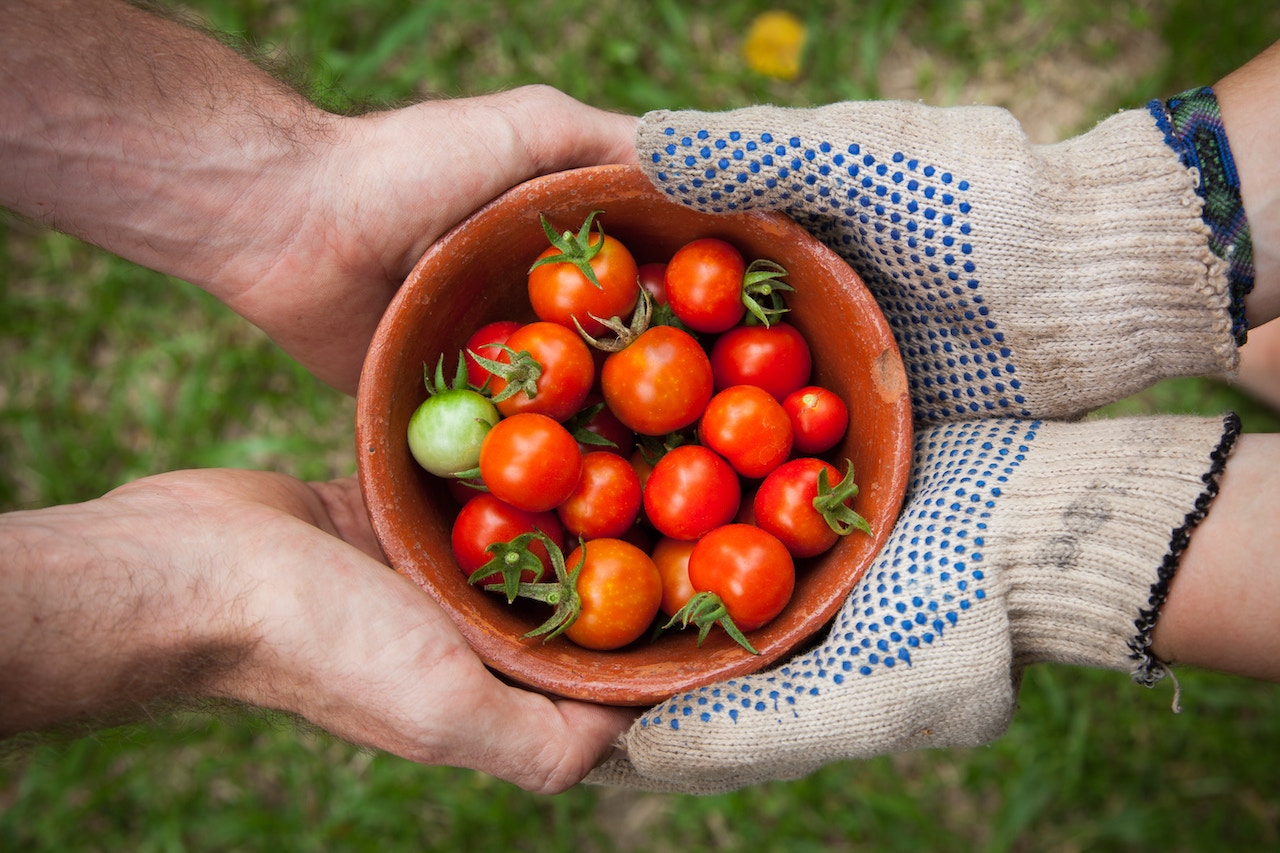
If asking for water is the action, then who is the modern equivalent of the person asking? I think a much deeper analogy with the woman would be modern-day farm workers. She was deeply vulnerable, and yet Jesus asked her for water. Farmworkers are every bit as vulnerable, and yet we ask them for our daily food. Last I checked, 70% of the fresh tomatoes consumed in the U.S. were grown — and picked — in Florida.
One of Jesus’ genius ideas (there were several) was to be able to understand the social identities of someone deeply and still relate to the individual just as deeply. He saw the Samaritan woman. Is it possible for middle-class North Americans to see farmworkers?

The Coalition of Immokalee Workers has been extending that invitation since 1993. This inspirational group of workers (all the leaders are or were career farm workers) offers not only food, but wisdom and relationship. Check them out at ciw-online.org.
Jesus asked for water from someone vulnerable. Today, our food asks for the same attention to those who make it possible.
Food blessing
- The next time you serve a meal that includes a fresh tomato from the store, set one aside for a moment before eating.
- Take a minute to imagine the person who picked it. Where might they have been that morning? What might their life be like?
- With your imagination open, give thanks for that worker as a child of God, someone whose labor helped bring this food to your table.
- In gratitude, ask God to bless the farm workers as they have, in a small way, already blessed you.



Have a comment on this story? Write to the editors. Include your full name, city and state. Selected comments will be edited for publication in print or online.