


Despite what you read in the online debates, my impression is that most Mennonites want a third way for their congregations in response to gay and lesbian men and women.
They are looking for a way to be traditional in what they teach and inclusive in that they do.
And while the exact shape of this third-way is still evolving, the basic elements have been identified: a combination of “grace and truth” (John 1:14), meaning the teachings of the Bible about God’s perfect design joined with the gentle wisdom of those who have long walked beside people who live day-to-day well short of perfection.
Certainly this third way entails big changes for those who have regarded same-gender sexual relationships as the worst of the worst, a singular kind of sin.
Repenting of making such a huge deal of homosexuality, and responding to gay and lesbian persons with the same combination of exhortation and encouragement that is offered others who persistently fall short of God’s perfection (yes, that includes quite a few of us), requires an unfamiliar humility.
So this third way will not be easy, especially not at a time when talking tough about homosexuality has become a badge of honor for a certain brand of Christianity.
But talk is cheap; third-way congregations know this.
What is costly is walking with people through the losses and disappointments of life, including the inability to thrive within the heterosexual design of the Creator. Third-way Mennonites are up for that challenge, so long as our worldview and aspirations are molded by biblical teaching.
Of course, this third way is ridiculed by those who view homosexuality exclusively as a civil rights issue. Gays and lesbians will stay far away from congregations that are not publicly affirming, such critics say. Indeed, their prediction is partially correct.
The civil rights perspective has become a badge of honor for another brand of Christianity and third-way congregations will be harshly criticized for continuing to view heterosexual relationships as the norm.
Yet such congregations understand that within today’s confusing welter of sexual orientation, preference and experimentation, there are many (including generations of children still to come) who most of all want authenticity, abiding concern and guidance through the challenges of life, including mixed and ambivalent feelings about sex.
Politically-correct affirmations are weak tea, in other words. So while third-way congregations will be perceived as unwelcoming by some, others who are trying to find their way will be drawn to an engaged, grounded stance, especially when it includes the willingness to bless loving, committed relationships that are outside the norm.
While congregations embrace this third way, denominational politics will lurch ahead, dominated by the debate between those who affirm sexual diversity as an important civil right and those who see it as the greatest of all sins.
It makes for riveting drama, even more so now that national media are paying attention and the global church is preparing to gather in Harrisonburg, Pa., for Mennonite World Conference.
How the denominational debate ends is important too, but not as important as what congregations are doing to keep their witness vital for generations to come.
That is where the third-way will flower and thrive.
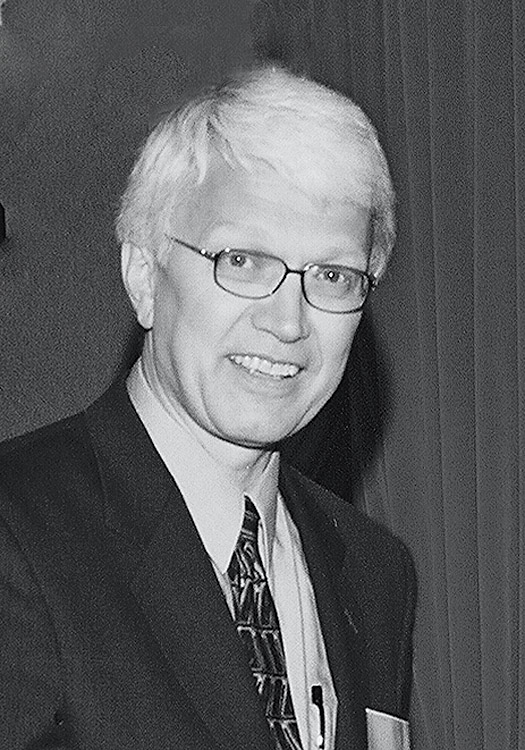
Berry Friesen is a member of East Chestnut Street Mennonite Church, Lancaster, Pa.


Have a comment on this story? Write to the editors. Include your full name, city and state. Selected comments will be edited for publication in print or online.