


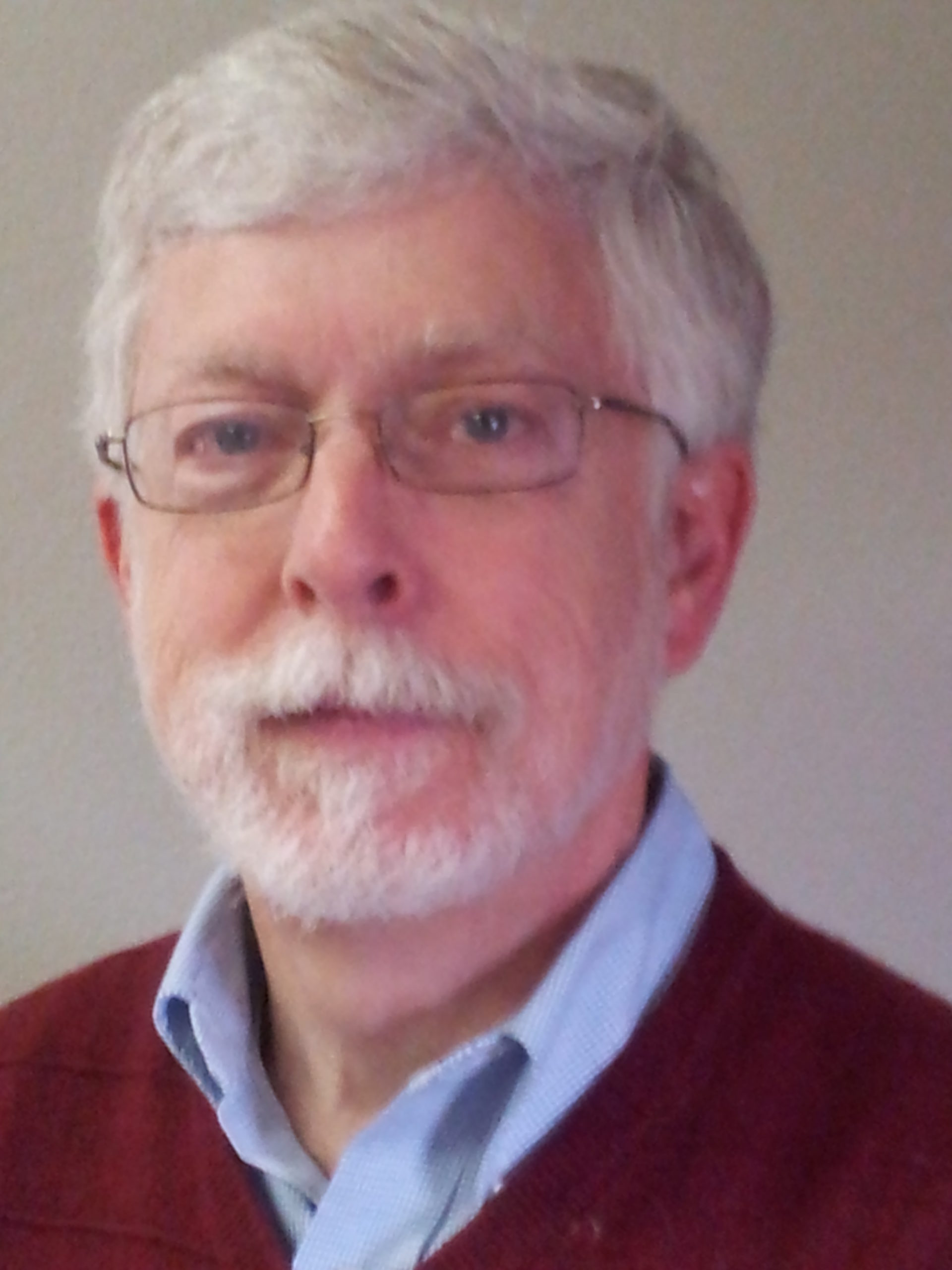
Gordon Smith is pastor of Mennonite Community Church in Fresno, California. These reflections first ran in the Pacific Southwest Mennonite Conference e-update.
The whole law is summed up in a single commandment, ‘You shall love your neighbor as yourself.’ Galatians 5:14
In his letter to the churches of Galatia, Paul famously argues with great passion in favor of accepting Gentile Christian converts while insisting they are not required to first become Jews. This would prove not to be an easy sell. Within the larger multi-cultural, multi-ethnic context, the early church wrestled long and hard with such difficult questions centered on who’s in and who’s out and on whose terms.
Just before Paul penned these words in Galatians 5:14, he said that when it comes to our freedom in Christ, it’s not about what we want (“an opportunity for self-indulgence”) but becoming “slaves to one another” (v. 13). This is only possible where love abounds; the kind of love that focuses on loving our neighbors. As Jesus points out in the parable of the Good Samaritan, defining our neighbor extends beyond kinship ties, shared ethnicity, religious beliefs or socio-economic status to embrace the stranger, the outcast and the vulnerable.
Pacific Southwest Mennonite Conference (PSMC) is made up of congregations seeking to love our neighbors every day. After living and serving in Fresno for three years now, I’m convinced this is what binds us together. By the power of the Holy Spirit, we are learning what it means to love the way Jesus did; a sacrificial love that led all the way to the cross.
We know it’s not easy to love like that. When we disagree, it’s hard to see where love abounds. When we’re tired and weary from serving our communities, it’s hard to see where love abounds. When we feel that we’re not always accepted or appreciated for who we are, it’s hard to see where love abounds.
Here are a few ways that Mennonite Community Church is seeking to love our neighbors. As I write this, outside my office door, several volunteers from our church are giving out food to families in need, a monthly effort sponsored by the U.S. Department of Agriculture and administered through the Community Food Bank of Fresno, of which our church is an approved distribution site. Two weeks from now, we will open our church food pantry to more folks through the generous contributions of people in our congregation. Twice a month we typically serve over a hundred families (today the number was 137). This is one small way we are seeking to live out God’s call to love our neighbors.
For Halloween this year, a young adult in our congregation offered to organize something called “Trunk or Treat.” Volunteers lined up their cars in our church parking lot, decorated their trunks with a Halloween theme, dressed up in costumes, handed out treats to the children and enjoyed watching them play games. This was certainly a new idea for many of us, and maybe even a little outside our comfort zone! We had no idea what to expect, but we took the plunge anyway. It was a huge success. It was fun meeting so many families. We even had to send a few people out to the store to replenish our supply of treats! For us, it was simply an opportunity for our church to be good neighbors.
In our Adult Sunday School class, we’ve recently been talking about Christian-Muslim relations, with the help of a book by Mennonite missionary David Shenk, Christian. Muslim. Friend. What does it mean to listen to the perspectives of our Muslim neighbors while being clear about our own Christian identity? How do we break down the walls between us and dispel the myths and distortions we may have of one another? Last Sunday, we were pleased to welcome the director of the local Islamic Cultural Center as a guest speaker in the class. It was a meaningful time learning respectful dialogue between two very different faith traditions.
God has much to teach us all about loving our neighbors. I’m grateful to be walking this journey together with all of you as sisters and brothers in Christ!


Have a comment on this story? Write to the editors. Include your full name, city and state. Selected comments will be edited for publication in print or online.