


Christians like to pour concrete around our beliefs, to defend them or to keep them still. What if, instead, we would see these convictions as wild terrain, wide-open landscapes of breathtaking beauty to discover and explore?
Jesus was fond of saying, “Let those who have ears to hear, hear.” The wider we open our ears, the more we hear.
Take Jesus’ resurrection — an unprecedented divine intervention in history. In raising Jesus from the dead, God vindicated Jesus and his teaching as the beginning of a new age for humanity, a new creation: the reign of God.
If I believe this about Jesus’ resurrection, it’s important for me to believe it in detail, to enter its gateway, to explore its pathways and take in its vistas.
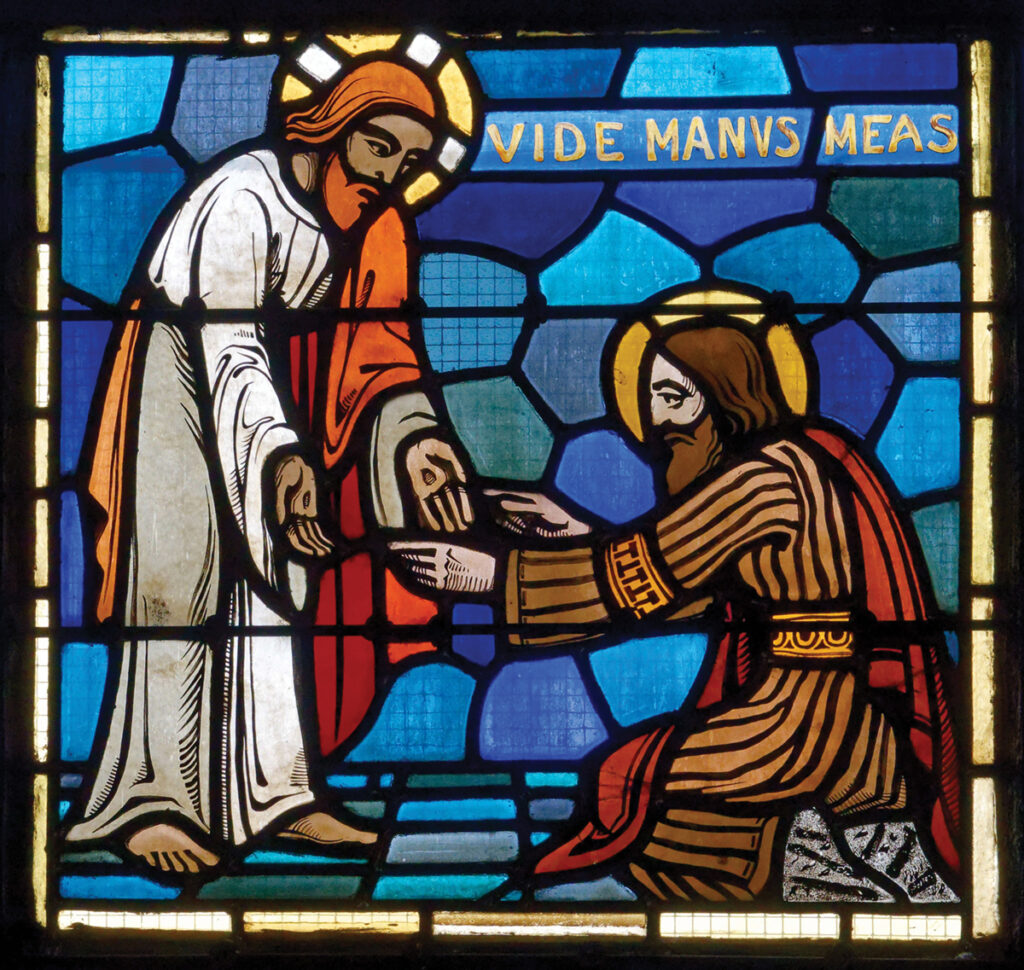
In this way, I am like the apostle Thomas. In John 20, Thomas insists he will not believe unless he puts his finger into the nail wounds in Jesus’ hands, and his hand into Jesus’ side.
This is usually interpreted as doubting, but the Gospel does not say this. Mary Magdalene and the other disciples all needed a personal encounter with the risen Lord to get past their grief and fear. Thomas only said the quiet part out loud.

When Jesus suddenly appears, he does not tell Thomas to stop doubting. He says: Don’t be untrusting anymore. Be believing.
Jesus’ gentle reprimand is not about intellectual acceptance but trust: Yes, God can do even this. Jesus offers Thomas what he needs to believe, crude and raw as it might seem.
Now, I can’t touch Jesus’ hands and feet. But I have heard African American preachers speak of what they could see in their “sanctified imaginations.” Sanctified imagination is the imagination touched by the Holy Spirit, offered to God to be filled with wonder and new understanding, drawn into envisaging the events and characters of the Bible in ways that inspire and liberate.
In my sanctified imagination, I see the moment Jesus emerged from the tomb. What did he do when he first stepped out that morning?
Theologian Thomas Merton, in his cabin in the Kentucky woodlands, wrote about “the dawn under a sky as yet without real light, a moment of awe and inexpressible innocence,” when the waking birds “begin to speak to [God], not with fluent song, but with an awakening question that . . . asks if it is time for them to ‘be.’ ”
When God answers yes, they wake up and “manifest themselves as birds, beginning to sing.”
I imagine Jesus emerging into the stillness of this world not yet fully awake. He, too, has received from God a renewed permission to be — the first of its kind, but not the last.
I imagine that Jesus fills his lungs with the clean, cool air of morning and delights in breathing again. He hears the birds manifest themselves in song.
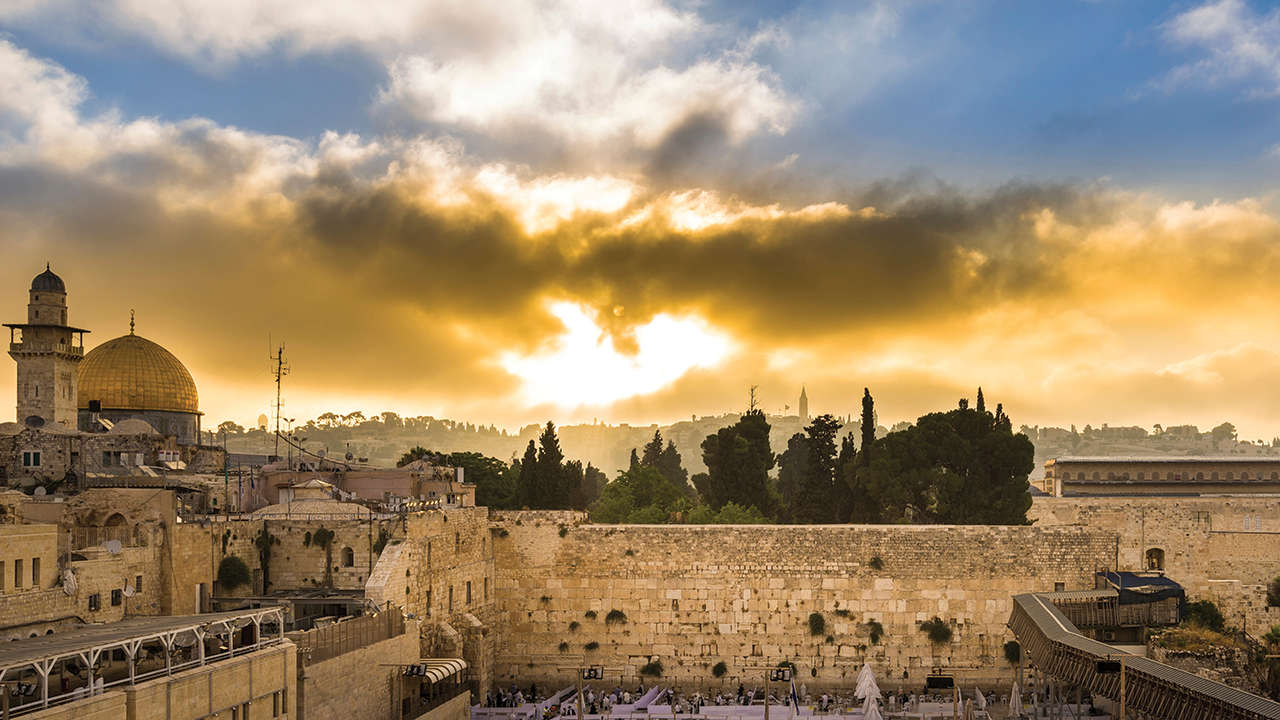
As the pearl-pink day climbs over the Mount of Olives, our Savior lifts his head, opens his mouth and joins the birds in song. What song? One of the psalms, the one we know as Psalm 116:
The cords of death entangled me,
the anguish of the grave came over me. . .
Then I called on the name of the Lord:
“Lord, save me!” . . .
For you, Lord, have delivered me
from death,
my eyes from tears,
my feet from stumbling,
that I may walk before the Lord
in the land of the living.
The resurrection of Jesus sanctifies our imaginations. When we fall to our knees with Thomas, we enter the gateway into the wild land of the world that is to come and has come.
What if the new creation in Jesus is about more than commandments, good deeds and judgment? What if it is about a freedom, a righteousness and a wholeness so splendid they transform what liberation, justice and perfection mean for us?
The Resurrection invites us to imagine a new world — to sing the song of Jesus as our stumbling feet dance into the land of the living.
David Rensberger and his wife, Sharon, are members of Atlanta Mennonite Church. Now retired from the classroom, for 30 years he taught New Testament at the Interdenominational Theological Center, a historically Black seminary in Atlanta.

Have a comment on this story? Write to the editors. Include your full name, city and state. Selected comments will be edited for publication in print or online.