


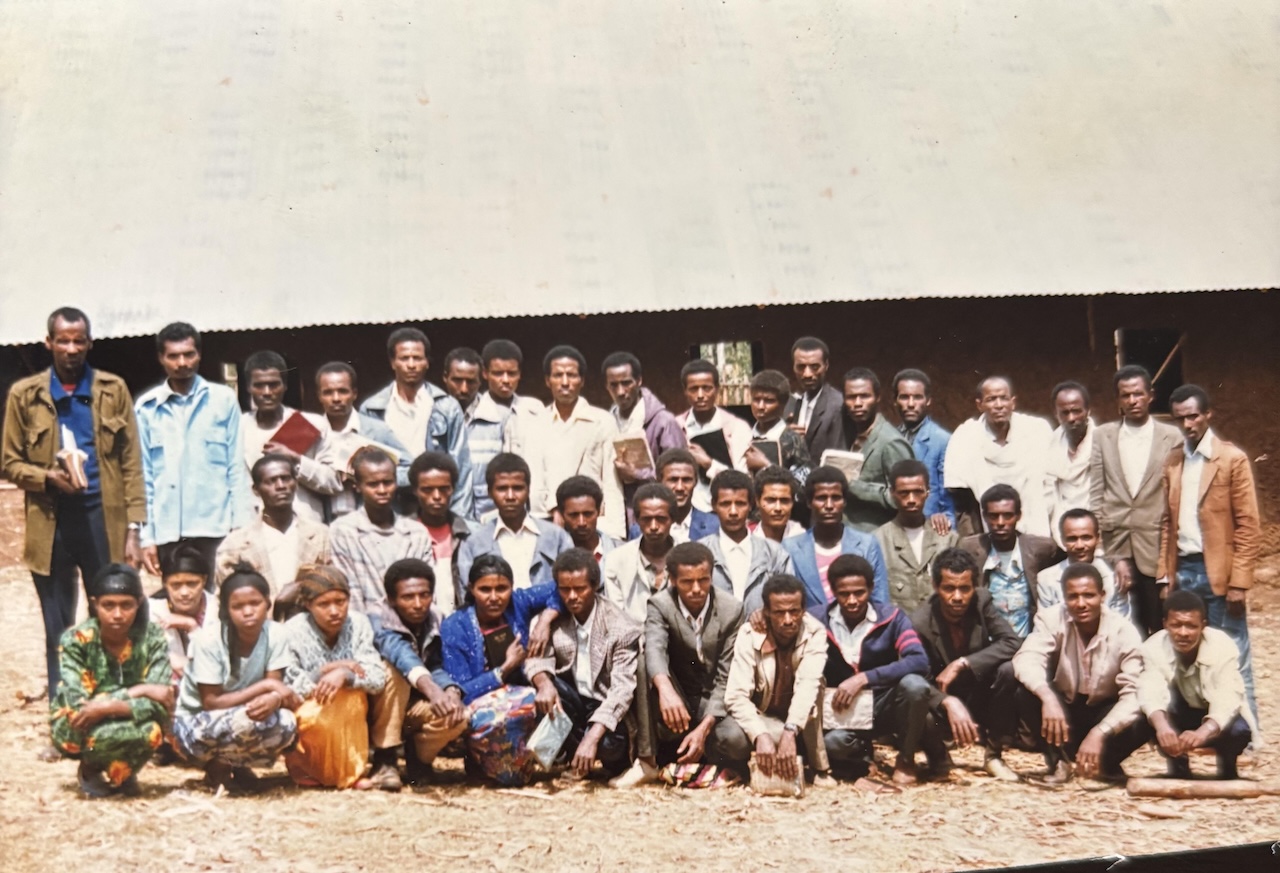
The Derg regime in Ethiopia, which lasted from 1974 to 1991, was a period marked by significant political upheaval, social strife, and widespread repression. While its consequences were often very negative, especially for religious communities like the Meserete Kristos Church (MKC), it inadvertently led to several positive outcomes that transformed the church and its community in meaningful ways. Despite the atmosphere of fear, persecution, and hardship, the resilience of believers created opportunities for growth and renewal that would influence the future of the church. Here are the five unintended positive outcomes of persecution.
1. Strengthening of Faith
Perhaps one of the most significant unintended outcomes of the Derg regime was the strengthening of faith among the MKC’s congregations. As the authorities cracked down on evangelical practices, believers faced intense persecution, with many being arrested, tortured or forced into hiding for their beliefs. This fear, instead of leading to apathy, deepened their reliance on faith. Members found solace in prayer, scripture and community while nurturing their spiritual lives covertly.
The emphasis on secrecy during the underground fostered a deep sense of connection among believers. They communicated through safe channels and gathered in small, discreet groups. As they faced adversity together, a spirit of mutual encouragement arose, reinforcing their commitment to one another and God. This collective experience created a resilient faith community, bound by shared struggles and supported by unwavering devotion. The intense circumstances of the time ultimately led to a robust and vibrant spiritual life that flourished amidst challenges.
2. Emergence of Strong Leadership
Operating within the constraints of an oppressive regime necessitated the emergence of strong and capable leadership within the MKC. The underground church required leaders who not only possessed theological knowledge but were also able to navigate the complex dynamics of clandestineness and safety. These individuals demonstrated remarkable resilience and adaptability, guiding the church through tumultuous times. Their experiences during the Derg regime equipped them with tools to navigate challenges effectively and implement strategies that would benefit the church once the political climate improved. Their leadership became foundational to the MKC’s growth and outreach in subsequent years, enabling them to foster communities of faith in the country.
3. Innovative Evangelism Strategies
The oppressive environment fostered by the Derg regime forced the MKC to rethink its approach to evangelism drastically. With public preaching often resulting in arrests and persecution, church leaders recognized the need for innovative and safe methods to share the gospel. This led to an emphasis on relational evangelism — community-focused engagement that prioritized individual connections over mass gatherings.
Believers increasingly engaged in one-on-one conversations, shared testimonies and built relationships with those outside the church. This approach not only protected them from detection but also proved to be more effective in planting the seeds of faith. The relational dynamics established during this time persisted even after the Derg regime fell, leading to sustained growth in membership and deeper spiritual connections among church members.
4. Increased Women’s Participation
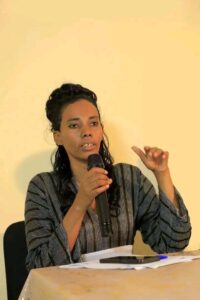
Interestingly, the Derg regime inadvertently challenged and shifted traditional gender roles within the MKC. As men were more frequently targeted for arrest and persecution, women found themselves stepping into leadership roles and taking on significant responsibilities within spiritual communities. This development created an environment where women became visible leaders, educators and facilitators of faith, challenging the historical dynamics of gender within the church.
The increased participation of women not only strengthened the church community but also provided these women with invaluable experiences that shaped their identities as leaders. In the aftermath of the Derg regime, this groundwork laid the foundation for a more inclusive church structure, encouraging the continued involvement of women in leadership roles and reshaping the church’s understanding of gender dynamics in a post-Derg Ethiopia.
5. Consolidation of Community Identity
The adversities faced by the MKC during the Derg regime forged a strong sense of community identity among its members. As believers gathered secretly and supported each other through trials, a culture of resilience emerged. This collective experience strengthened their shared commitment to the church and its mission, creating a vibrant, tightly-knit fellowship of believers.
The necessity of believers upholding their faith under duress fostered a sense of solidarity that transcended mere attendance or participation. Members felt a deep connection to one another, rooted in their shared struggles, sacrifices and victories. This consolidated community identity would propel the MKC into a new era after the fall of the Derg regime, ensuring its vitality and mission would continue to resonate with both old and new members alike.
The unintended positive outcomes of the Derg regime in Ethiopia underscore a striking dynamic: adversity can sometimes lead to unexpected growth, resilience, and strengthened communities. The experiences of the MKC provide a compelling narrative of how faith can be deepened through hardship and how innovative strategies can emerge in response to oppression. I pray that as the MKC and its community continue to navigate the challenges and opportunities of contemporary Ethiopia, MKC carry forward the lessons learned from a turbulent but transformative period in its history, ultimately shaping the future of the church and its mission in positive ways.



Have a comment on this story? Write to the editors. Include your full name, city and state. Selected comments will be edited for publication in print or online.