



In this article, I will share with you a story of a follower of Jesus, who was persecuted by his community and took a step of faith, perhaps too risky, which eventually led to the transformation of the community.
During the Derg regime in Ethiopia (1974-1991), persecution was not only inflicted by the Derg authorities but also by traditional community leaders, including elders, tribal chiefs and religious figures. Christians faced profound animosity from their neighbors owing to their adoption of lifestyles that clashed with the community’s long-standing norms and traditions. Beyond harassment, ostracism and marginalization, some community members resorted to drastic measures to eliminate evangelical Christian leaders.
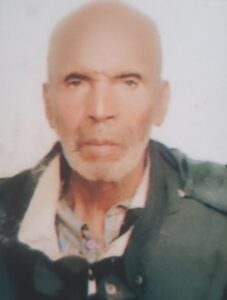
A notable incident occurred in the Qeelloo area of Ethiopia. Gabulaa Amantee, one of the first-generation believers who embraced Christianity after two Christians, one an evangelist and another a public school teacher, preached the gospel in 1969 in this area, experienced this persecution firsthand. His faith profoundly transformed his life, and he and his family remained steadfast despite the pressure surrounding them.
In November 1979, a community member broke into Gabulaa’s home and poisoned the dough prepared for their evening meal. At the time, the family was away in the fields planting seeds. When his wife returned that evening and began baking, she noticed the unusual smell and color of the dough. Concerned, she informed her husband before serving it to the family. Gabulaa, recalling the scripture from Mark 16:18, declared that he would eat the bread in the name of Jesus, but he cautioned his family to consume it only if they shared his faith. United in their belief in the power of Jesus’ name, they decided to eat together.
Miraculously, the poison did not affect them. Meanwhile, the wider community, anticipating their demise, was shocked when they learned that the family had consumed the poisoned food without suffering any harm. This incident astonished the villagers, prompting them to acknowledge the power of Jesus that had spared the believers. At present, there are over ten thousand MKC members in the Qeelloo area.
Here are five things we can learn from this story, not just simply about the Meserete Kristos Church, but what other persecuted communities might be facing.
1. Persecution can come from multiple sources
The story highlights the dual nature of persecution faced by Christians during the Derg regime. Not only were they targeted by government authorities, but also by traditional community leaders — such as elders, tribal chiefs, and religious figures — because of differing beliefs and lifestyles. If the community had embraced rather than persecuted them, the Derg authorities would not have gained the power to target followers of Jesus so severely. Instead, the community actively handed over believers to the Derg, allowing the authorities to act with impunity. Consequently, the Derg faced no fear of backlash from the community when it came to its persecution of Christian believers.
For Gabula, persecution stemmed from members of his own community who were unwilling to see their long-standing traditions, culture and lifestyle disrupted. For other followers of Christ, the sources of persecution can vary significantly: it may arise from family members who reject the idea of a believer in their midst, or from oppressive regimes like the Derg in Ethiopia. Some believers face pressure at their workplaces, where colleagues and employers may coerce them to conform to group norms by compromising their biblical principles and values.
Furthermore, persecution can come from other religious groups that feel threatened by the gospel and the lifestyle of Jesus’ followers. Alarmingly, it can also emerge from those who identify as Christians but adhere to false teachings, targeting genuine believers. Additionally, it is worth noting that sometimes persecution results from unwise words and actions from Christians themselves when engaging with opposition in their gospel-sharing efforts.
2. The gospel is a disruptor
Historically, the gospel serves as a powerful disruptor. When it enters a community, it has the ability to transform worldviews, lifestyles, norms and values for the better. In the gospels, Jesus spoke of bringing fire to the earth (Luke 12:49), creating divisions between those who believe in him and those who oppose his message. The gospel is a catalyst for change, shifting mindsets and behaviors to align with the divine plan for individuals’ lives.
It is essential to appreciate the broader picture of this transformation process, rather than fixating solely on the temporary upheaval it may cause. It can be bewildering to observe why a community bound by blood ties and shared cultural heritage would turn against individuals who choose to follow Jesus. The animosity towards Christians often arises from fears that their evangelical beliefs threaten to disrupt established cultural norms. Initially, many residents in Gabulaa’s village struggled to see the gospel’s transformative potential. However, as the villagers gradually embraced the good news, they began to experience its profound and positive impact on their lives and community.
3. Faith experiences can be risky
Gabulaa’s personal story highlights the transformative power of faith in remarkable ways. His survival after consuming poisoned dough, allegedly tampered with by a community member, serves as a profound testament to his reliance on divine protection. Before making his decision, he invoked scripture, demonstrating his unwavering trust in God and the truth of the gospel. Gabulaa acted on the word of God with complete confidence, believing that God would acknowledge his faith and innocence, ultimately saving both him and his family from death.
This leap of faith was undeniably risky, yet it was not motivated by emotion; rather, it was a deliberate act of conviction. Gabulaa’s intention was not to seek recognition but to bring glory to God, fully expecting divine intervention in response to his trust. While his experience may not be a formula that others should necessarily emulate, it illustrates how, when believers are guided by the Holy Spirit and then respond in faith, God moves according to his will. Our submission to him in faith allows us to be vessels for God’s purposes, trusting that he will accomplish what he desires in our lives.
4. Communities can shift their perceptions
The miraculous survival of Gabulaa and his family marked a pivotal moment in the community’s perception of faith and its power. When the Amantee family consumed the poisoned dough yet emerged unscathed, it captured the villagers’ attention and ignited their curiosity. This extraordinary event was seen as a manifestation of divine intervention, prompting the community to reevaluate their views on Christianity.
Their astonishment and subsequent recognition of the protective power of Jesus challenged long-held beliefs and opened pathways for reconciliation. Rather than continuing to persecute those who followed the new faith, community members began to seek understanding and knowledge about it. This shift in attitude not only facilitated the establishment of a church but also fostered its growth and multiplication over the years, leading to a more inclusive and acceptable environment within the community.
5. Resilience and Transformation
This story is rich with themes of resilience, the transformative power of belief and the intricate dynamics between faith and societal norms. It illustrates how acts of faith can inspire change not only in individuals but also within the broader community, creating opportunities for dialogue and healing in the face of hostility. Gabula’s experience is particularly poignant.
Despite the severe attempts on his life and that of his family, made by those who had sought to poison them, he chose not to harbor hatred. The people who poisoned him demonstrated no sympathy; their animosity reached a level where they believed killing him and his family was necessary. Yet, after surviving this harrowing incident, Gabula’s heart was not filled with a desire for revenge. Instead, he chose the path of love.
Gabula seized the opportunity to share the transformative message of the gospel, which had changed his life and helped him overcome the forces of evil. He understood that this same gospel, which offers unconditional love and healing, could transform not only his own heart but also the hearts of those in his community. His commitment to love in the face of hatred ultimately sparked a profound change, leading to the transformation of both the individuals involved and the entire community. Through his compassionate response, Gabula exemplified how faith can bridge divides, fostering dialogue and healing where there was once hostility. In the end, his journey became a testament to the power of love and belief in bringing about true transformation.



Have a comment on this story? Write to the editors. Include your full name, city and state. Selected comments will be edited for publication in print or online.