


I was blessed in October to be part of Just Peace Pilgrimage, in which the Coalition to Dismantle the Doctrine of Discovery partnered with Mennonite Mission Network to introduce congregational groups and individuals to the Navajo context in Bluff, Utah.
MMN explained that “we explore what God is doing to bring about justice and peace in the world and ways in which we can participate. We learn together how to walk in solidarity.”
My colleagues and I planned activities for more than 20 pilgrims from congregations across the United States. As we explored the impacts of colonization on Indigenous communities, we met with elders and community leaders who shared their hearts and lives with us.
We experienced what to me is the most breathtaking land in the country in the red desert of Utah and Monument Valley. It was a valuable experience for me, joining two communities of my relatives: Indigenous kin and non-Indigenous Christian kin. But the most profound learning for me came in a moment of crisis.
We boarded two passenger vans to visit a traditional farm and the remains of an ancient cliff dwelling. It rained the night before, and we traveled down a steep hill of wet sand. Going down was relatively easy. But on the way back to our lodging we got stuck.
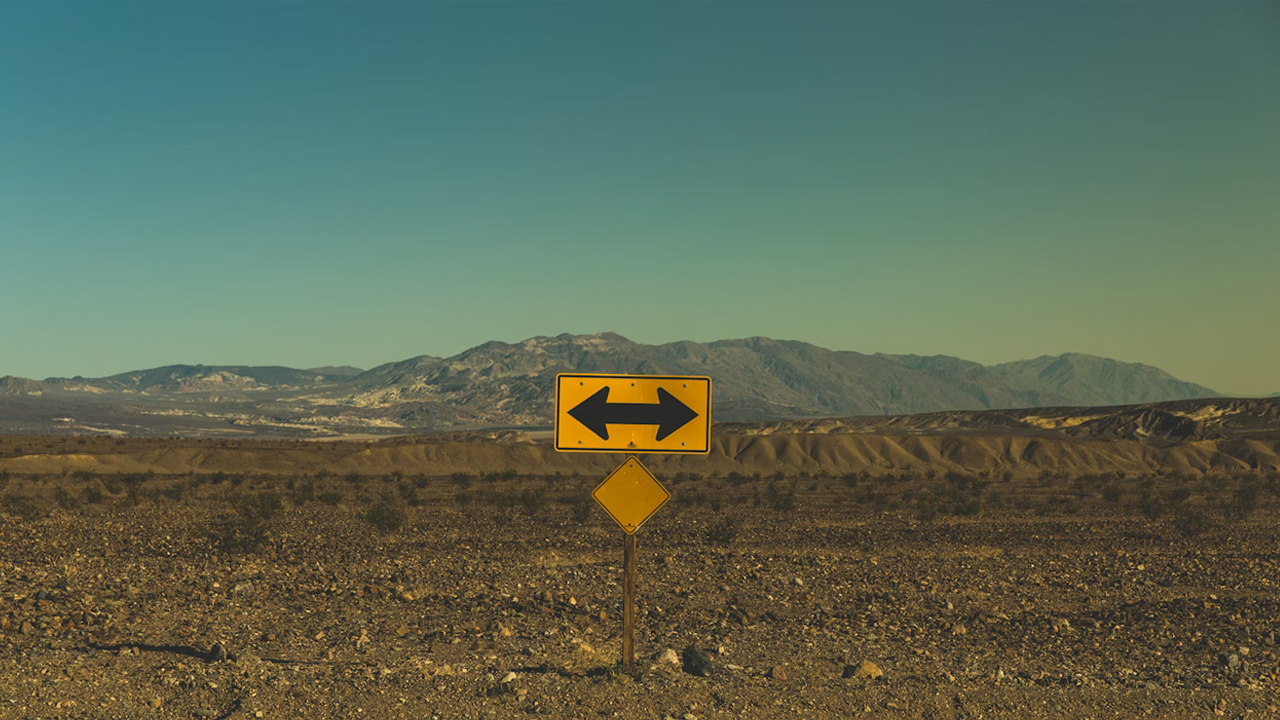
More than 26 pilgrims and guides emptied onto the steep, unpaved road while our driver tried to work out how to get both vans up the hill. He tried a variety of strategies with the advice of several pilgrims, but ultimately our vans were stuck. We could not go forward. We could not go back.
I have been stuck before. I lived on a reservation for 18 years, and the lack of infrastructure in a rural context is not new to me. But this felt different. It was embarrassing. I felt responsible. After all, I invited these people to this experience, and I planned the activities. Now we were stuck on the side of the road, in a place without roadside assistance, more than three hours from the small town in Colorado we could call for a tow truck. Night approached quickly. A bank of rather ominous storm clouds was heading toward us.
A community meal was planned for that evening, and guests were assembling already at the St. Christopher’s Episcopal Mission church community hosting us. But regardless of my intentions, regardless of my plans, we were stuck.
Time takes on a different quality when you can’t go forward or back. Urgency is irrational; plans and appointments meaningless. I am freed from my assumptions and intentions. I am able to see from the vantage point of here, now instead of striving toward the next task.
As I prayed there on the side of the road, Psalm 139:7-10 came to mind:
Where can I go from your Spirit?
Where can I flee from your presence?
If I ascend to the heaven, you are there;
if I make my bed in Sheol, you are there.
If I take the wings of the morning and settle at the farthest limits of the sea,
even there your hand shall lead me, your right hand shall hold me fast.
I Pray outside each morning, wherever I am. I begin with a prayer a Nez Perce woman taught me: Thank you for this land, our body. The Creator is available to me each morning in the soil, in the ground I depend on to meet all of my needs.
The Creator is present at every moment, regardless of whether I bring my awareness to that presence. As Psalm 121 states, my help comes from the Creator, the maker of heaven and Earth. On the side of the road, the presence of the Creator was profound, all around me.
Walking up that steep hill and gazing down into the valley below with friends and co-pilgrims, I took in the most beautiful view I had seen to that point. Some of the deepest sharing occurred on that long walk, in the unexpected gift of unscheduled time. What a gift it is to be alive, dependent on the Creator for every breath.
Local community members ultimately arrived in several cars to pick us up and deliver us to the community meal that waited for us. In this hardship, we got to experience one of the primary teachings of the pilgrimage: we are interdependent.
I have never been so grateful for community and for the truth I sometimes forget: I am not alone. While this pilgrimage was full of memorable experiences, getting stuck is the one I will never forget.


Have a comment on this story? Write to the editors. Include your full name, city and state. Selected comments will be edited for publication in print or online.