


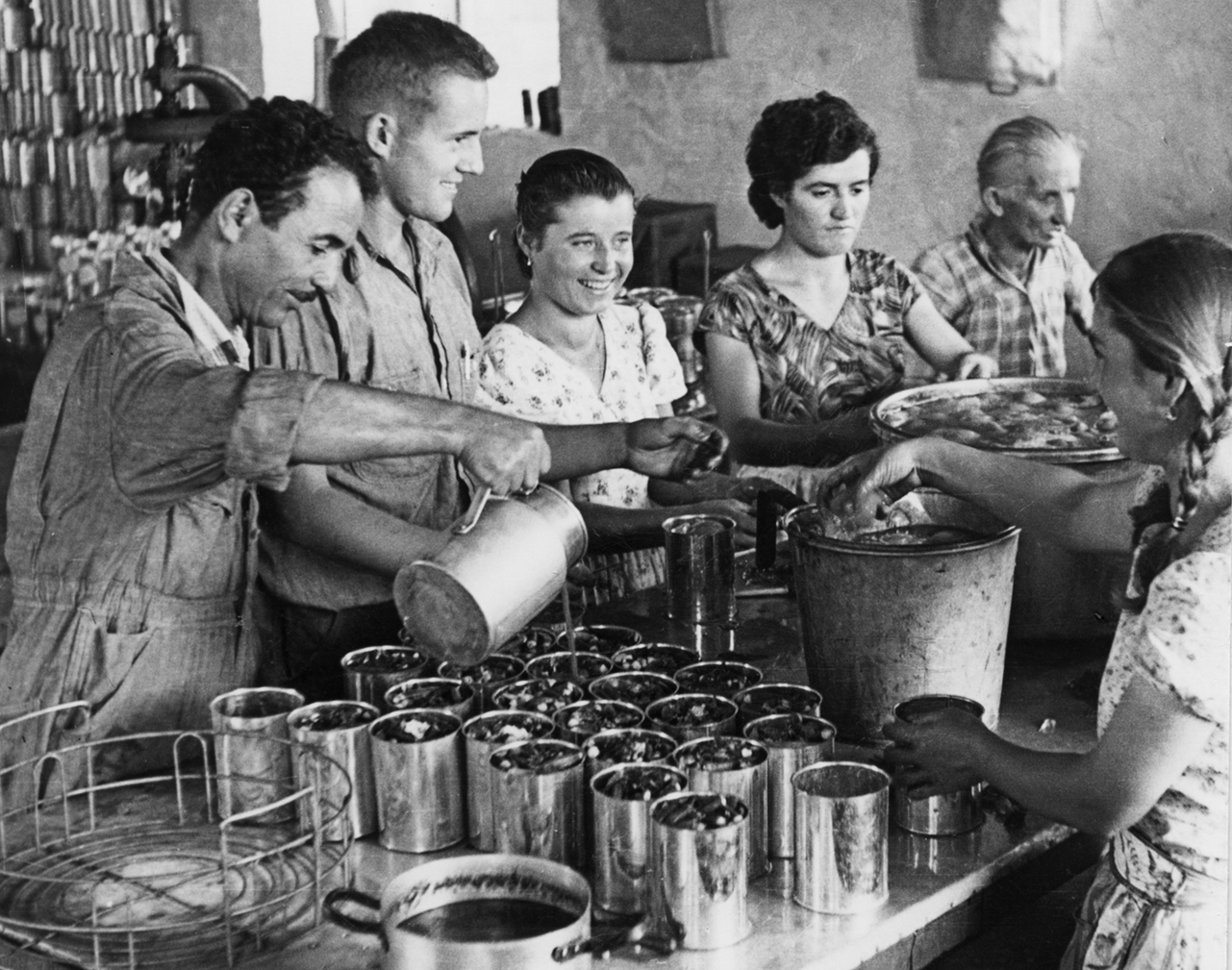
One by one, faces appeared on the computer screen, followed by the bold voices of Mennonite Central Committee’s Pax alumni as they introduced themselves during the virtual 75th anniversary of the alternative service program.
“I’m Ted Bergey, I served in Enkenbach, Germany, from 1956 to 1958 and in Vienna, Austria, during the Hungarian Revolution in 1956.”
“I’m John Kauffman from Missouri and served in Haiti from ’69 to ’72.” His wife, Loreen, who also served in Haiti, was on the screen, too.
“Hello, I’m Tim Buckwalter. I’m in Goshen, Indiana. I served in the West Bank from the summer of 1973 till January of 1976.”
The names and placements kept coming — Greece, Bolivia, Democratic Republic of Congo (formerly Zaire), Paraguay, Chad, Pakistan and more — as about 70 people gathered online on Oct. 21 to reminisce and catch a glimpse of old friends.
MCC established the Pax program in 1951 to provide service opportunities around the world, primarily for young men. In the U.S., two years of service with Pax served as an alternative to military service for conscientious objectors.

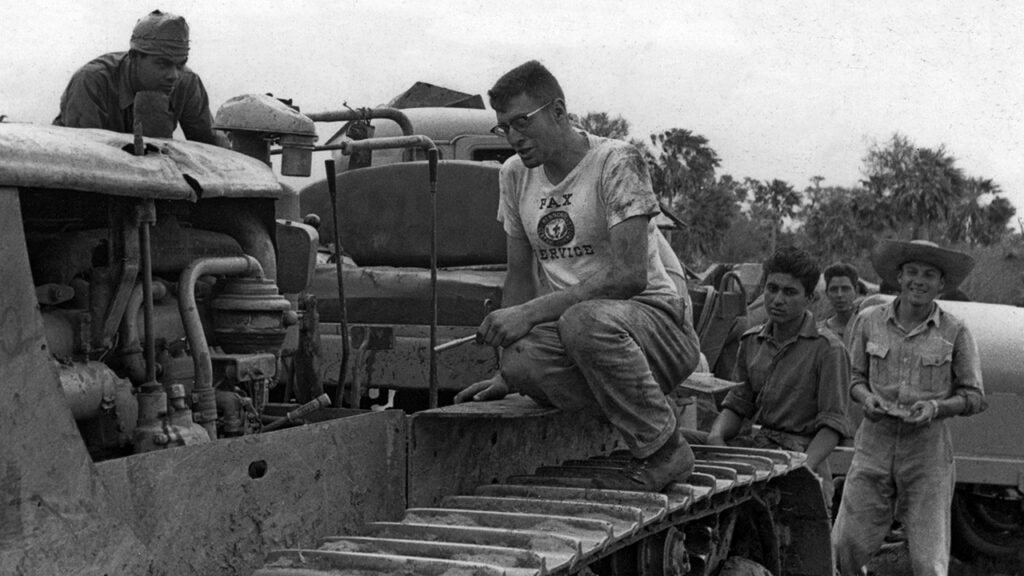
Women and Canadians were among the 1,150 people who volunteered with Pax through 1976. Many of the projects included post-World War II reconstruction, community development work and humanitarian assistance.
At the reunion Oct. 21, participants were welcomed by MCC U.S. executive director Rukshan Fernando, who described current MCC work; Pax alumnus Arlo Kasper from Paraguay, who inspired the event; and Jordan Penner, MCC’s constituency engagement manager, who coordinated the gathering.
A live video tour of MCC’s archives revealed Pax posters, memoirs, newsletters, mementos, photos and even a record album of the Pax chorus.
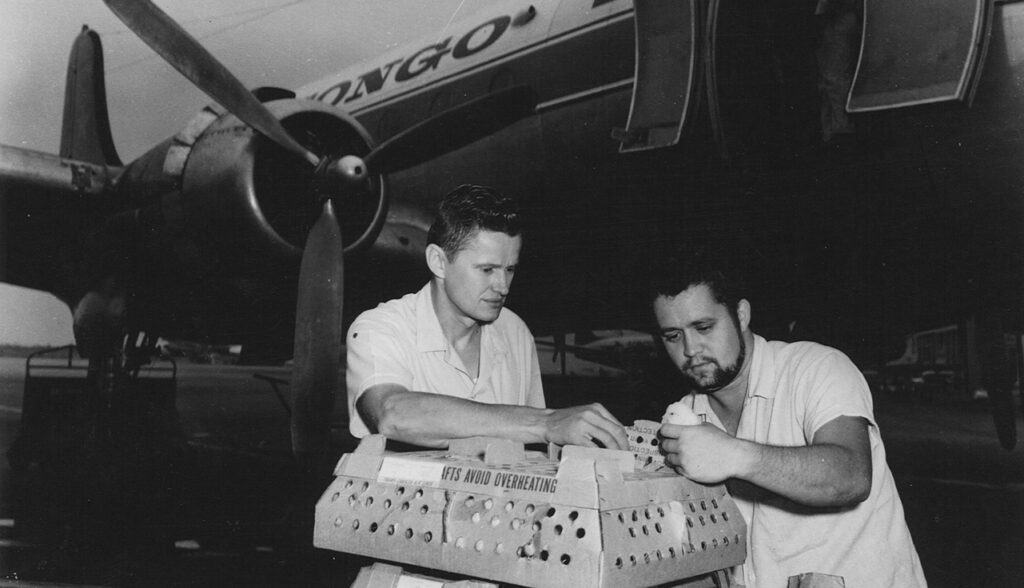
Participants shared their experiences in break-out rooms. In one room, Wes Braun and Art Klassen from Canada and Otis Hochstetler, who now lives in Brazil, shared memories.
Braun, of Winnipeg, Man., worked in Alsace, France, at a home for children living with mental and physical disabilities in 1966 to 1968. The home with its attached farm was run by the Mennonite church in France.
“I got to do all sorts of things,” Braun said. “I got to deliver calves. We had a barn attached to the home. The farm provided a lot of produce and meat for the children’s home. One day the boss was away, the cow was in labor, and his foster son came and got me. I never did it [delivered a calf] before, but I was coached by a 10-year-old.”
After completing his Pax service, he graduated from Goshen College. About six years later he and his wife served in Taiwan for two years, teaching missionary children. Seminary followed.
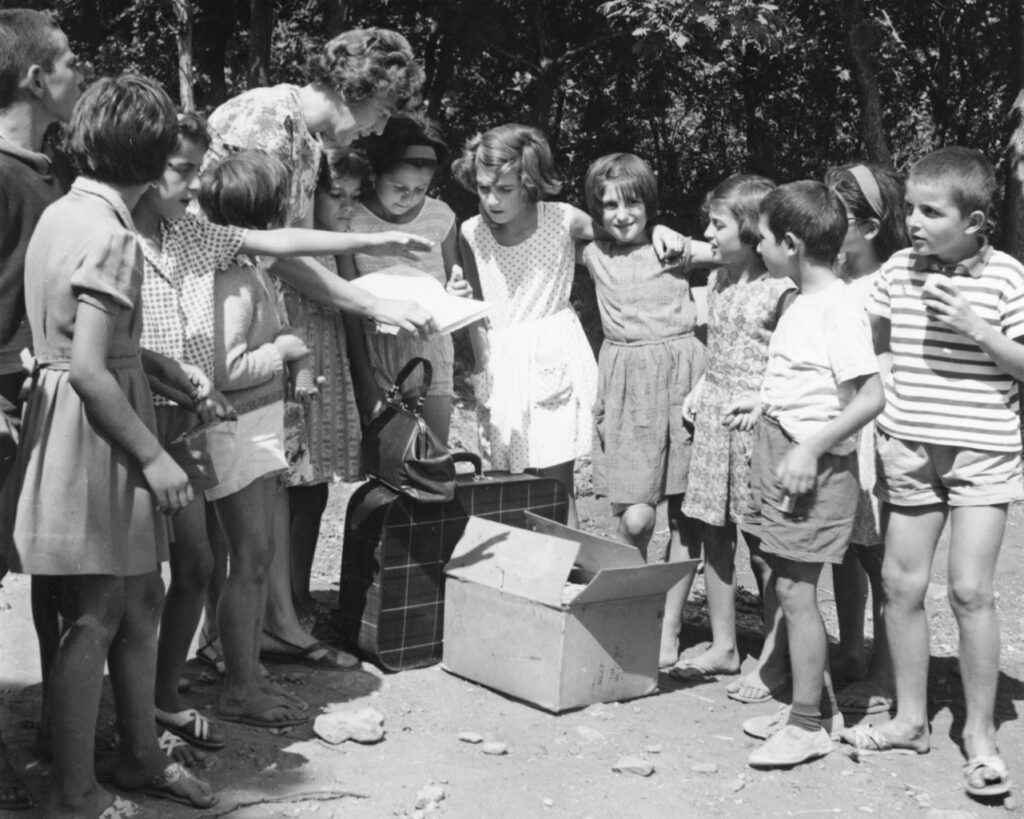
Klassen, from Kitchener, Ont., served in Chad as a bookkeeper for MCC food, well digging and irrigation projects from 1975 to 1977. When the Pax program ended in 1976, he continued his work with MCC for a year in Chad and nine months in Zaire (now the Democratic Republic of Congo).
He was restless when he returned to his home in Vancouver, B.C., so he went to Canadian Mennonite Bible College where he met his wife. For the next 40 years, he served with MCC, first in Selfhelp Crafts, which became Ten Thousand Villages, and then with MCC Ontario.
“I don’t think I would have done that if I had not done my first assignment with MCC,” he said.
Hochstetler, an Indiana native currently living in Brazil with his wife, Betty, said his experience in Pax was a turning point. From 1958 to 1960, he served in Austria with a Methodist ministry of housing and feeding Hungarian refugees who fled the Soviet military in 1956.
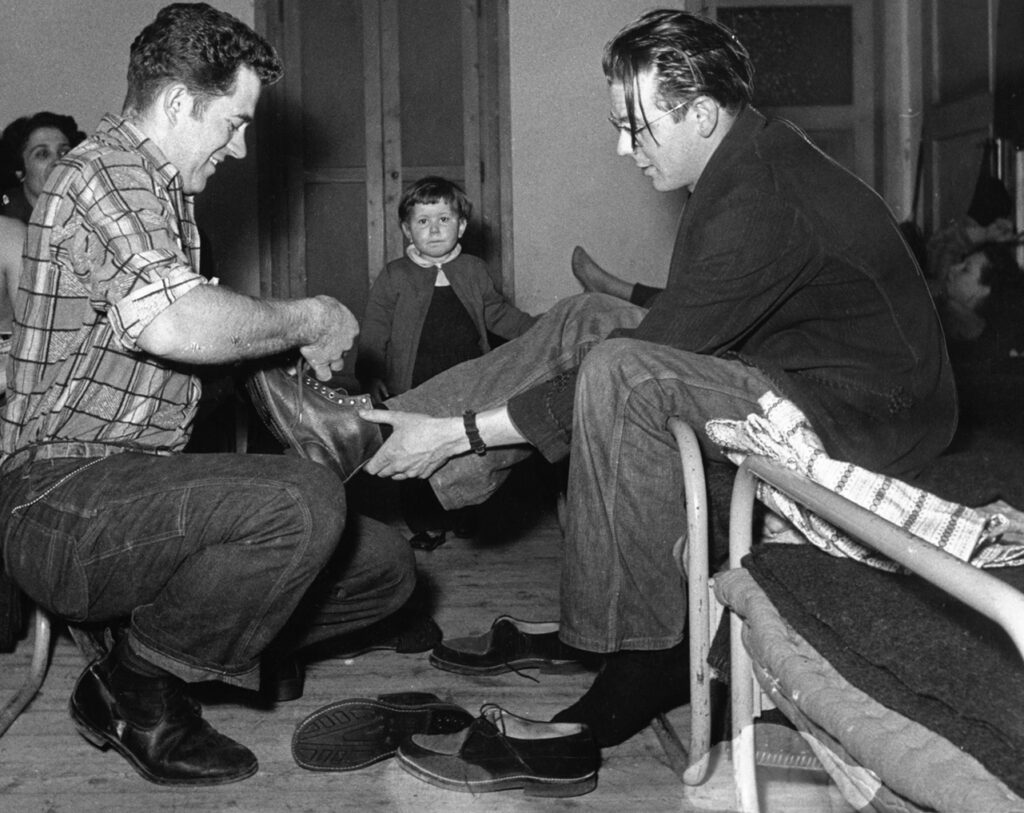
“That experience completely changed my life,” Hochstetler said. “It gave the impetus of wanting to serve in some way or other, and it also opened up that we weren’t just interested in northern Indiana, but the world.”
When he came home, he graduated from Goshen College and started seminary at Anabaptist Mennonite Biblical Seminary. He and Betty served with Mennonite Board of Missions (now Mennonite Mission Network) for 38 years and have retired in Brazil.
Their experiences led to discussion about MCC’s Global Service Learning programs that continue to give young people opportunities to serve. Betty Hochstetler interacted with many young people from Canada and the U.S. serving with MCC in Brazil. When youth are exposed to other countries, their world changes, she said.
The stories of the Pax participants at the reunion confirm just that.


Have a comment on this story? Write to the editors. Include your full name, city and state. Selected comments will be edited for publication in print or online.