


Ben Wideman is the campus pastor for 3rd Way Collective and a blogger for The Mennonite, Inc.
In the midst of a difficult conversation the other day, someone expressed this sentiment to me: “I’ve urged you to pray about [this issue], but you are too wise in your own eyes to listen.”
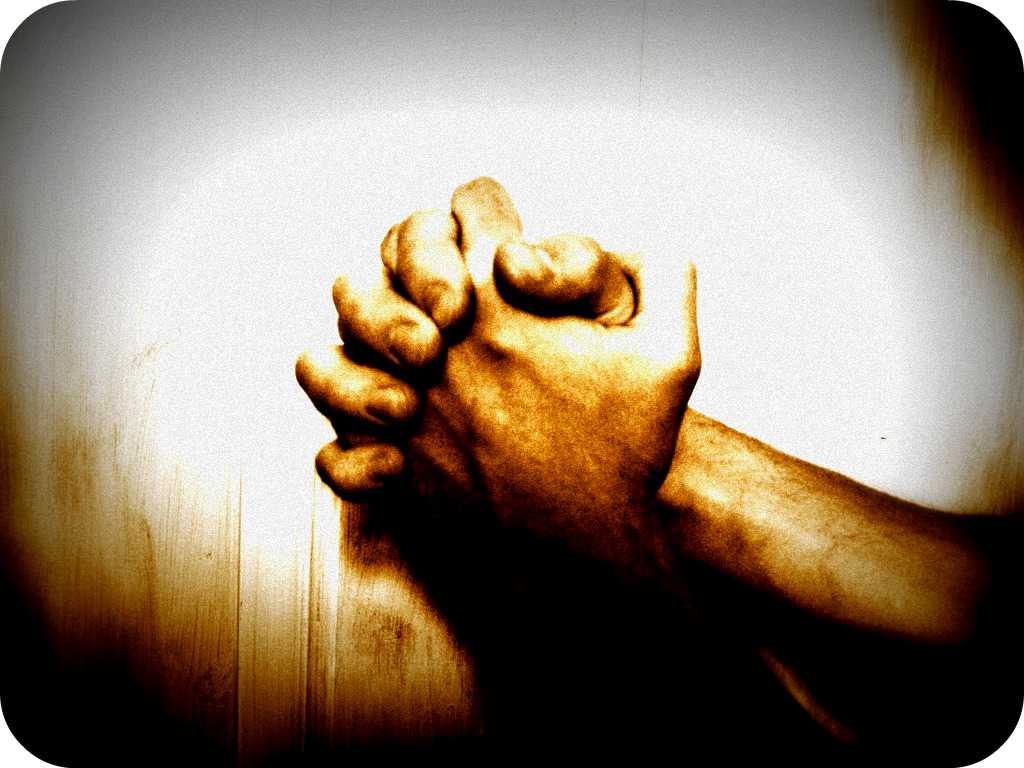
Over the past few years, I’ve felt this kind of pressure of prayer or spiritual practice through a few of my fellow Christians. The idea, of course, is that any disagreement-theological or otherwise-can be solved simply through the practice of prayer. If you pray and I pray, the thinking goes, we’ll end up at the same conclusion. I see this sentiment urged in churches, conferences, and denominations. The rationale is this: if we all participate in prayerful discernment, and still find ourselves in disagreement, one of us must not actually be praying (or not praying hard enough or in the correct way).
I don’t find fault with the idea that prayer can be a powerful tool to help us see with new eyes. I also appreciate the possibility that prayer can help bridge the theological and political divide that so many of us are facing in our congregations and communities. Where I take issue is with the idea that genuine prayer will always remove theological and political disagreement.
It doesn’t matter who we are or what we believe, disagreement is the reality of all organized Christianity. It is why we have denominations, sects, splits, and branches in the tree of Christian tradition. Our biblical texts illustrate disagreement in discernment and theological identity throughout the Hebrew Bible and also with the recorded stories and Paul’s letters from the early church.
The Reformation was fueled by the belief that if the Bible was accessible to all, Christians would discover the truth of its message. The result of these efforts was that, rather than finding one unified understanding of Scripture, each biblical reader and denominational body understood the text in their own unique way.
Suggesting that one position or community is right while everyone else isn’t prayerfully seeking the truth seems to be overlooking the reality of our Christian diversity and missing the purpose of why we continue to be in conversation across our divided Christian world.
A few months ago I met a student who had started attending a charismatic Christian group on campus. This student did not resonate with all of the claims of this group, but he was fully welcomed and embraced for who he was because the group believed that the Holy Spirit would convict and change this student through prayer and study with the group. He felt as if he had found a home. After several months, his theological beliefs that were out of step from the group’s leaders had not changed. Now, instead of continuing to feel welcome in the group, he began to be told that he wasn’t praying enough or spending enough time reading his Bible. Rather than bringing people together, prayer and practice had become a tool this group was using to suggest that this person was no longer part of the group.

I find myself wondering if there are ways in which I am also guilty of using prayer or practice to imply that I carry the truth and someone else does not. As the campus pastor for a Christian organization focused on peace and social justice, I may be inadvertently suggesting to other Penn State Christian organizations that they are not prayerfully discerning God’s call if they choose not to focus on peace and social justice. I hope I am helping to create a student group that is accessible to all, and does not insist that students must act or believe the same thing in order to feel like they belong.
Of late I’ve been drawn to the Jewish idea of machlokes or “holy argument”, a long rabbinical tradition of valuing conversation and debate rather than one correct interpretation. I am becoming convinced that we would arrive at a deeper truth if Christians would embrace disagreement within our traditions rather than suggesting or implying that if we don’t prayerfully find the same truth, we aren’t praying hard enough.
Perhaps what unites us as a denomination and broader Christian Church should be that we are committed to prayerful conversation, rather than committed to doctrinal or theological exclusivity through our prayer.


Have a comment on this story? Write to the editors. Include your full name, city and state. Selected comments will be edited for publication in print or online.