


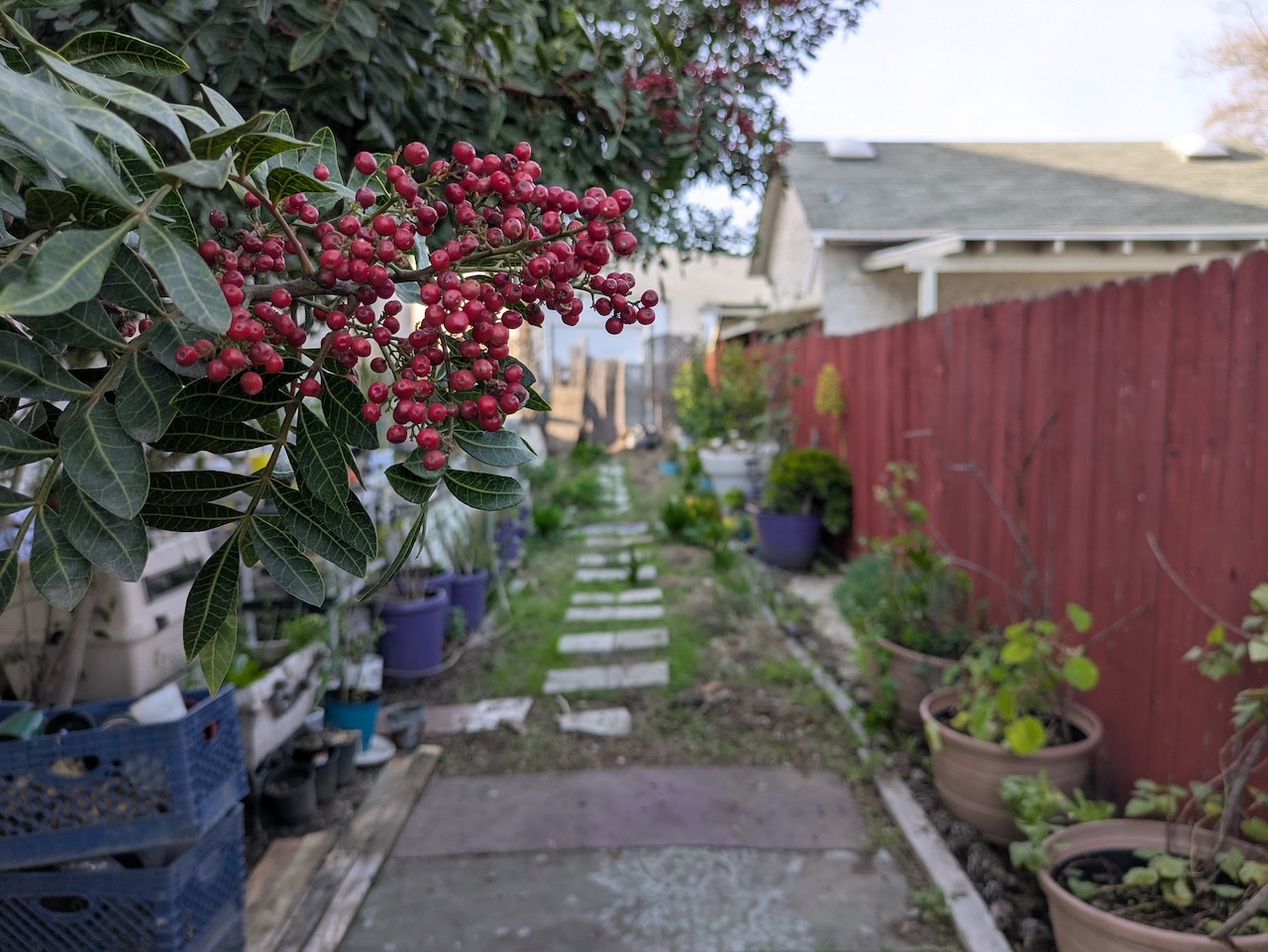
In January of 2020, I began my career as a garden educator, leading and teaching community gardening. I’m good at it. It feels right. It was a meaningful thread of my career, thread of my identity, and thread of how I practice my faith. Last May I cut this thread, leaving my job teaching gardening and life skills to help homeless transition-aged youth (ages 16-24). Not gardening has been strange, but for many months I had other challenges preoccupying me.
With most of those challenges behind me now, the strangeness of not gardening has crept in. I wonder things like, “Who am I if I am not eating beets I grew myself?” and “How should I live out and share God’s work of constant creation and abundance?” and “What do I do with all the time I save from not having soiled garden clothes?”
Frankly, it just began to feel too strange. Even without land, I knew I needed to garden. So I considered taking to Facebook to put out a call asking if anyone was looking for a garden buddy — someone to garden with them, give some tips and advice and to make something beautiful together.
I was nervous. I have a lot of ideas and not all of them are good ones. I was scared there would be no response. I got into my head and got in my own way. After procrastinating, I took a deep breath, and I went for it. The response was almost immediate. I had so many neighbors reach out who were interested in a gardening buddy that I spent a whole weekend meeting people and their gardens, and I still have more to meet.
I was nervous about meeting new people. They were all kind and excited and welcoming. And still the experience of meeting people and their gardens was strange. It felt like horticultural speed dating. I was meeting people with zero points of connection, so I had no idea what to expect. After conversations about sun, water sources and previous gardening, the conversations became more personal. I heard people spring to life, enthusiastically telling me about things I cared about, didn’t care about, already knew, and sometimes knew were plain wrong.
Moments like these make me remember why I am here, in the garden of a stranger. I am here because I am in the wilderness. I may have skills, but I have no home base, and these are hospitable strangers.

I become keenly aware that in these interactions I want to be a good guest. How do I want this interaction to go? How do I want this person to think of me? How much more of this can I listen to? These little speeches happened at every home I visited, and in every little speech there were nuggets of a person revealing themselves: their joy, their passion, their grief, their creativity, their opinions about current events. Each time it hit me as a lot for our first conversation.
People who welcomed me into their homes, their gardens, and their hearts were being hospitable as I wander through the wilderness. They were welcoming me into their abundance. And together they were welcoming me into my next chapter as a grower: one where I have the opportunity to grow food in the ground for as long as it takes to cultivate humility and flexibility in myself. One of my first posts for Anabaptist World was about finding abundance in the wilderness. Today I feel so strongly that cultivating flexibility, humility, gratitude and generosity within ourselves are key to finding nourishment in the wilderness.
Cultivating some inner crops
Flexibility: It is easy to get rigid. We think we know exactly what we want, or exactly what outcome we need. To grow flexibility, think “What part of this is the part that matters to me?”
Humility: There are many ways for ego to creep into our hearts. One way is being rigid about how we want others to see us. Growing humility can look like letting go of who we think should be and showing up in ways that others are looking for.
Gratitude: Gratitude can flow as we become more aware of abundance. To grow gratitude, identify abundance around you. Do you see an abundance of money? Friends? Natural beauty? As you see abundance, simply be glad for it.
Generosity: Becoming more generous starts off like gratitude. Identify a form of abundance and share it. Where you have an abundance of humor, share your jokes. Where you have an abundance of knowledge, share it with anyone who asks. Sharing materially is important, but far from the only way to be generous.


Have a comment on this story? Write to the editors. Include your full name, city and state. Selected comments will be edited for publication in print or online.