


The demonstration that led to the Aug. 13, 2025, demonstration in Pati, Central Java, is a reminder that the need for education that builds a culture of peace is becoming increasingly urgent. Differences in interests and views can easily develop into violence if not managed through dialogue and peaceful conflict resolution. This condition shows that peace is not just an ideal, but a skill and value that needs to be built in social life.
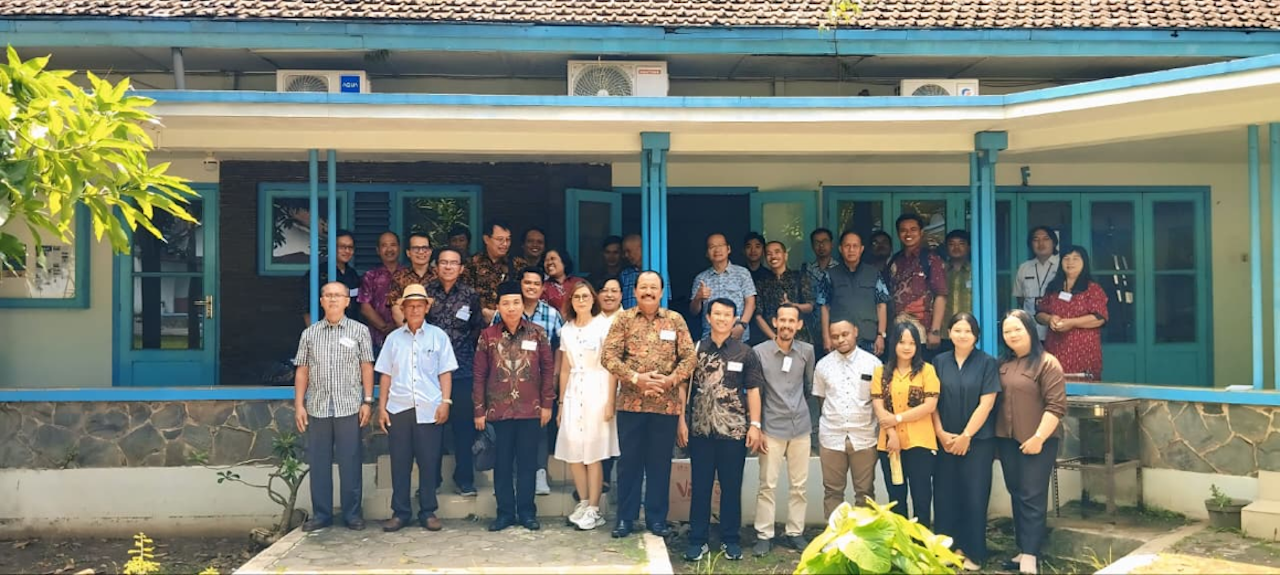
Building on this awareness, the Wiyata Wacana Christian Religious College (STAKWW), in collaboration with Mennonite Central Committee, held a peace curriculum development discussion on the slopes of Mount Muria, Central Java, on May 6. This activity brought together academics, church leaders, peace practitioners and international partners to formulate a curriculum that is able to instill the values of peace, reconciliation, justice and conflict transformation in theology education in Indonesia.
Through the development of this curriculum, STAKWW and MCC hope to prepare church and community leaders who not only have a strong theological understanding, but are also able to become agents of peace who bring dialogue, strengthen reconciliation and build a more just and harmonious coexistence in a pluralistic society. Here are five things about peace service.
1. STAKWW Pati initiates peace curriculum development
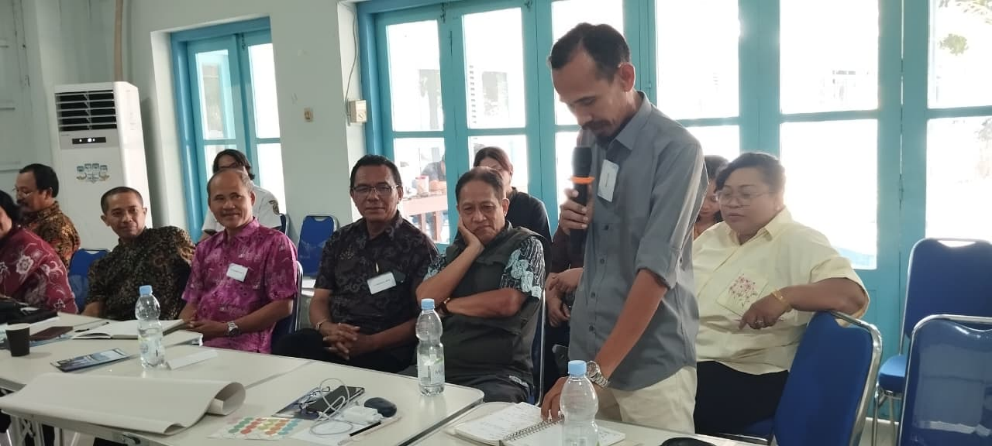
This discussion is a strategic step for STAKWW in developing a curriculum that is relevant to the challenges of the pluralistic life of the Indonesian people. The participants had a dialogue about concepts, learning materials, teaching methods and the implementation of peace education in the context of the church and society. This activity is expected to produce a curriculum that is not only academic, but also shapes the character of students as peacemakers. Through collaboration between academics, practitioners and church leaders, this curriculum is designed to be able to respond to the needs of community service and empowerment in a contextual manner. This discussion found topics of nonviolent learning and conflict transformation.
2. The slopes of Mount Muria become a space for peace reflection
The choice of location on the slopes of Mount Muria, which is on the north coast of Java, has its own meaning. The region, which is known as a place for a tradition of dialogue, tolerance and harmonious community life, was the right space for reflection to discuss the values of peace. The calm atmosphere encouraged participants to hold deep conversations about the importance of education as a means of social transformation. In addition to being a place for discussion, the beautiful natural environment also invited participants to reflect on the relationship between spirituality, concern for others and responsibility for creation. This learning experience that is integrated with the local context strengthens the participants’ commitment to bring the values of peace into their daily lives and ministry.
3. MCC shows commitment to peace education
This activity received support from Mennonite Central Committee, which is strongly committed to promoting peace, reconciliation and community development. MCC’s support for the development of a peace curriculum in Indonesia, as well as strengthening cooperation between theological educational institutions and international networks, are building a culture of peace. Through this partnership, STAKWW Pati has the opportunity to enrich a global perspective while developing an educational approach that remains rooted in the local Indonesian context. Continued collaboration is expected to encourage the birth of various educational, research and community service initiatives oriented towards peaceful transformation.

4. Cross-generational and cross-institutional collaboration
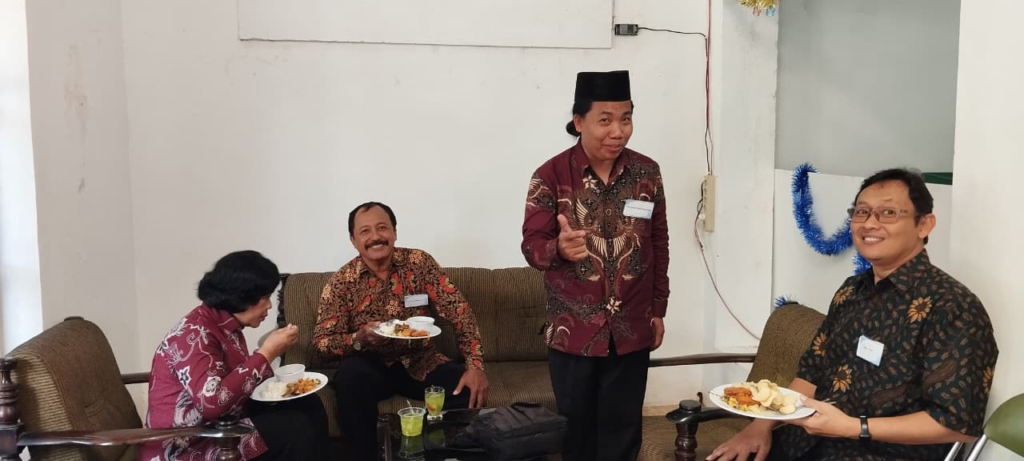
The discussion brought together lecturers, researchers, church leaders, students and international partners in an open-dialogue atmosphere. Various experiences and perspectives were shared to enrich the preparation of the peace curriculum, so as to be able to respond to the challenges of social conflict, cultural diversity and the needs of the church in building a peaceful coexistence. Such cross-background interactions create mutually enriching learning spaces, where each participant can contribute based on their experience and expertise. Through collaborative dialogue, participants also identified various learning strategies that encourage students to become agents of peace who are able to bring reconciliation in society.
5. Building a generation of peacemakers
Through this activity, STAKWW affirmed its commitment to produce graduates who not only have theological competence, but also become agents of peace in society. The peace curriculum is expected to be the foundation for the birth of church and community leaders who are able to build dialogue, strengthen reconciliation, and present the values of love, justice, and peace in the life of the nation and state. Through an integrative learning process, students will be equipped with the knowledge, skills, and character needed to respond to various social problems wisely and constructively. Thus, STAKWW hopes that its graduates can make a real contribution to the realization of an inclusive, harmonious, and empowered community in facing various challenges in the future.
The discussion on the development of the Peace Curriculum at STAKWW is an important milestone in strengthening the role of theological education as a means of social transformation. With the support of MCC and the collaboration of various parties, this initiative is expected to give birth to a contextual peace education model, rooted in Christian values, and able to make a real contribution to the realization of a peaceful, inclusive and civilized Indonesian society.
More than just curriculum development, this initiative is a long-term investment to shape a generation of church leaders, educators, and agents of change who are able to build dialogue, manage conflicts constructively, and bring about reconciliation in a pluralistic society. From the slopes of Mount Muria, STAKWW and MCC affirmed their commitment to continue to knit a web of peace through education, so that the values of love, justice and respect for the dignity of every human being can be realized in the life of society, nation and state.


Have a comment on this story? Write to the editors. Include your full name, city and state. Selected comments will be edited for publication in print or online.