


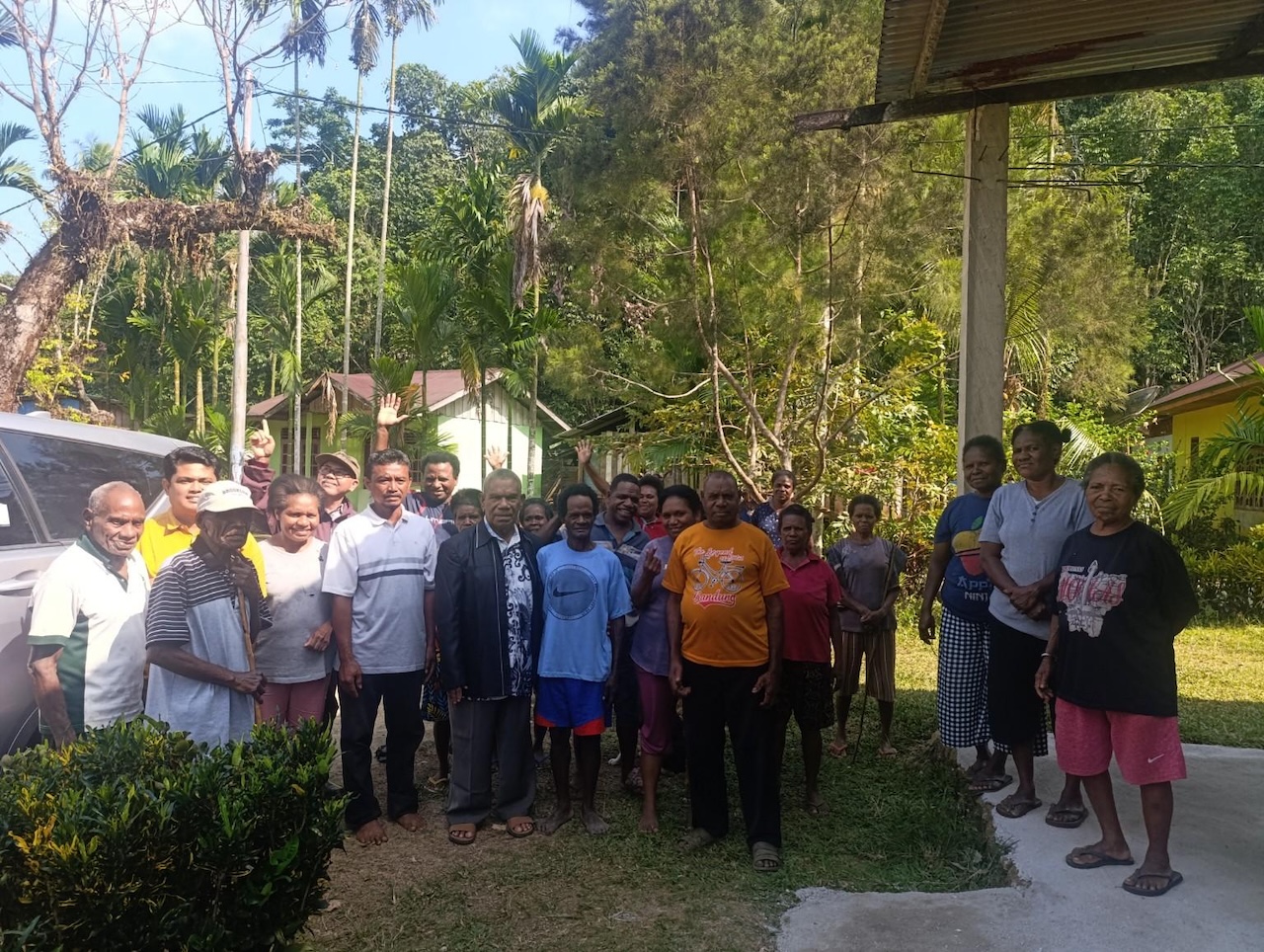
My trip to Papua, East Indonesia, took me to congregations that kept traces of Mennonite ministry. Mountain roads, simple houses, encounters with the locals and ocean views were all part of the visit. I went home with five things that I kept thinking about: the history that needs to be cared for, the perseverance of the congregation, the widespread fellowship, the longing for identity and the hospitality that made guests feel welcome.
1. The enduring history behind the change in the church
When I traced the history of the churches I visited, I found the story of the ministry of Doopsgezinde Zendingsbereenigung (DZV), a Mennonite mission from the Netherlands. In Papua, the ministry took place through missionary Marcus Herbert in from 1950 to 1961. In 1958, the mission churches in Papua merged into one church, the Evangelical Christian Church (GKI) of Papua. Some of the congregations separated and joined the Australian Baptist Missionary Society (ABMS). The year 1995 became a new chapter: the congregation rooted in Mennonite ministry formed a synod or conference called Gereja Baptis Anugerah Indonesia (GBAI). The name and form of the fellowship did change, but the story of the beginning of the ministry is still alive. Among the congregations I met, there was a desire to rediscover where their journey began. I see that history as not just an old record; it helps them understand the relationship with the wider churches.
2. Perseverance of faith in the midst of difficult terrain
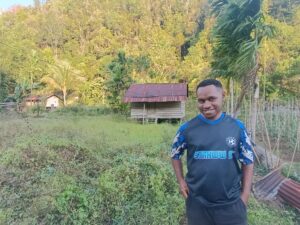
Most of the congregation lived in the mountains and villages. Their homes were simple; many families farmed on less fertile land. Healthy sanitation was not yet within reach, education was limited and the economic life of some residents was around the poverty line. To reach to the city, people pass through mountains and valleys. Such a journey makes the distance feel longer than the numbers on the map. The road and terrain determine how long it takes for one to get to school, market or needed services. Lack of basic infrastructure and limited access to learning make the journey to the city more than a matter of distance; it also determines the opportunities of families and children. Therefore, the story of the congregation needs to be read with their real needs, not just as a testimony to endurance. I do not want this to be the only picture of Papua. Behind these limitations, I see the life of the congregation going on and the ministry that continues to be done. The experience made me appreciate their perseverance, while reminding me that support for education, health and a decent livelihood are still needed.
3. A federation that crosses islands and generations
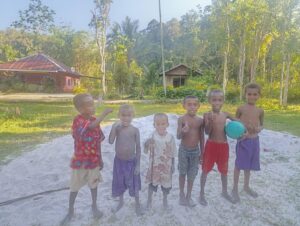
The footprint of this ministry stretches from east to west in Papua. Today, GBAI has 65 churches in Papua, Bali and Batam. This figure gives an idea of the breadth of fellowship, but it does not replace the story of the congregation in each place. The life of the church is maintained by families, ministers and the young generation who are present in their respective neighborhoods. This made me see that the future of the church is not only about increasing the number of congregations. The future also depends on the relationships that are nurtured: greeting each other, sharing news, praying and being present when brothers and sisters are in need. The distance between Papua, Bali and Batam is indeed far. Therefore, the relationship between churches needs to be built with intentionality. It requires joint attention from many parties.
4. The longing to re-recognize Mennonite identity
The Papuan congregations are longing to rediscover the roots of Mennonites. They were excited to meet Mennonite brothers and sisters in various parts of the world. They wanted to understand Mennonite values and beliefs again, and then connect them with the church’s ministry today. That longing continues to be prayed for ahead of GBAI’s anniversary on July 20, 2027. The date gives them hope to celebrate history and connection. This desire deserves to be answered with a willingness to listen and walk together. It is not enough to rediscover identity by mentioning names or origins; it needs to grow through conversations, visits, learning and cooperation. The Papuan congregations bring their own experiences. Therefore, relationships with the Mennonite community in the world will be more meaningful if they are built as mutual learning friendships, not one-way relationships.
5. Hospitality and beauty as an identity
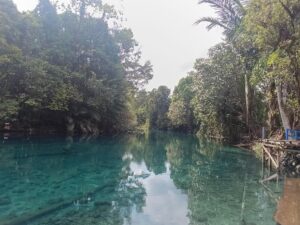
Regarding the geography of Papua: Mountains meet the sea, and some areas feature crystal-clear rivers and beautiful beaches. Beyond the stunning scenery, the people there possess genuine hospitality. Hospitality doesn’t require many words; giving a place, greeting and making time to meet make people feel welcome. Along the way, such a welcome makes conversations about history and identity feel close to everyday life. From Papua, I learned that brotherhood grows not only because of similarity, but because people are willing to open up to each other.

Closing
The Mennonite legacy in Papua is an ongoing history, not merely a story that concluded with the era of the missionaries. GBAI congregations strive to trace these roots while building church life in their local communities. They long for encounters with the global Mennonite family as an expression of care and friendship. Reconnecting with the Mennonite community is a hope they cherish.


Have a comment on this story? Write to the editors. Include your full name, city and state. Selected comments will be edited for publication in print or online.