


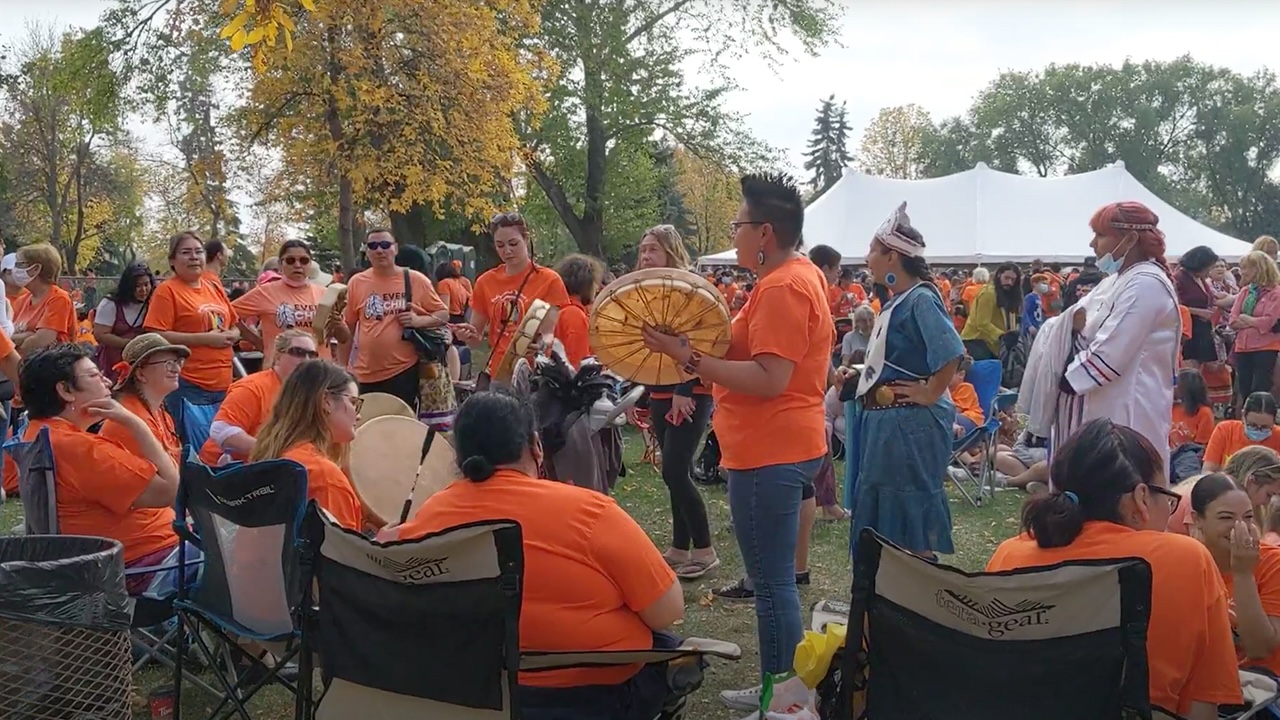
The United States and Canada share a similar history of colonization. Although many things have changed since America’s independence, many other things remained similar even after the schism. Notably, the dispossession and cultural genocide that was crafted against Indigenous peoples outlasted not just the schism; its consequences can still be felt today.
Sept. 30 was Canada’s Truth and Reconciliation Day. It is a statutory federal holiday held in remembrance of residential school victims and survivors, Canada’s shameful history of colonialism and failure to uphold treaties between the Crown and Indigenous people, and the hope for a better relationship between settler descendants and the descendants of those who have been here from time immemorial.
Nevertheless, many settler descendants remain unaware of this history or even dismiss it, claiming that it carries no burden on them. But the last residential school in Canada only closed less than 30 years ago. So, this isn’t ancient history. Also, many of the residential schools that Indigenous children were forced into were run by churches.
Below is a list of five relevant points to know about the process that led to the Truth and Reconciliation Day, how it’s celebrated and why, what Mennonites are doing about truth and reconciliation and what you can do about it.
1. Residential schools
“There were 140 federally run residential schools in Canada that operated between 1867 and 1996. Survivors advocated for recognition and reparations and demanded accountability for the intergenerational impacts of harm caused,” according to the Government of Canada. However, those were not the only schools that operated in Canada (or the United States). In fact, the National Centre for Truth and Reconciliation says that “the first church-run Indian Residential School was opened in 1831. By the 1880s, the federal government had adopted an official policy of funding residential schools across Canada. The explicit intent was to separate these children from their families and cultures. In 1920, the Indian Act made attendance at Indian Residential Schools compulsory for Treaty-status children between the ages of 7 and 15.”
2. Orange Shirt Day
To honor residential school survivors, all Canadians are encouraged to wear orange on Sept. 30, otherwise known as Orange Shirt Day. It “symbolizes the loss of culture, freedom and self-esteem that many Indigenous children experienced. This day reminds us that “Every Child Matters.” It is a “day led by Indigenous communities to raise awareness about the intergenerational impacts of residential schools on children, families and communities. It honours Indigenous children who were lost in the residential school system.”
3. Truth and Reconciliation Commission (TRC)
“The TRC was established as part of a legal settlement, the Indian Residential Schools Settlement Agreement, between Survivors, the Government of Canada, the Assembly of First Nations and Inuit representatives, and the church bodies that had run residential schools. As part of that Agreement, the TRC was mandated to inform all Canadians about the residential school system and its legacy.” According to the Government of Canada, The commission “ran from 2008 to 2015 and provided those directly or indirectly affected by the legacy of the residential schools policy with an opportunity to share their stories and experiences. [It] released its final report detailing 94 calls to action. The National Day for Truth and Reconciliation is a direct response to Call to Action 80, which called for a federal statutory day of commemoration.”
4. Mennonite programs
Mennonites in both Canada and the United States not only have had historical relationships and partnerships with Indigenous peoples, as well as complicated neighborly existences, but they also ran several residential schools and were direct recipients of lands from which Indigenous people had been displaced to make way for White settlers. This complicated history has left many wondering how the church can make amends for past wrongs. Some tangible steps have been the different programs being run by Mennonite organizations, some which are listed below:
Indigenous Neighbours (MCC) – The history between Mennonites and Indigenous peoples includes deep injustices. As we grapple with this history, MCC seeks to walk in friendship and solidarity with Indigenous peoples globally. It partners with Indigenous peoples in places such as Canada, the U.S., Bolivia and India.
Indigenous Relations (MC Canada) – Indigenous Relations helps Mennonite communities grow in our awareness of host peoples and the realities of settler colonialism and to nurture justice-based friendships. Our aim is to honor the Truth and Reconciliation Commission’s Calls to Action and live into the UN Declaration on the Rights of Indigenous Peoples as we pursue the costly path of Christ.
Mennonite Coalition for Indigenous Solidarity (MC Manitoba and MCC Manitoba) – Mennonites have been committed to Indigenous-settler engagement in a diversity of ways for many years. Rooted in the conviction that we can do greater work if we come together and organize with intentionality, this group has been established as a mutual partnership between Mennonite Church Manitoba and MCC Manitoba, with staff representing each organization and contributing the resources of both institutions.
5. Your part
No one person is expected to change the consequences of mistreatment towards an entire population for generations. Perhaps not even we Mennonites, as a small(er) church, have the power to sway history so that Indigenous peoples can experience justice. However, our witness should mirror that of our Lord’s, walking with the oppressed and calling out the systems that benefit those in power and uphold the status quo.
Empathy does not require us to feel shame, or even guilt for the wrongs done by those that looked like us or systems that we benefited from. But empathy can be the conduit for relationship and joint effort towards justice, because the load is lighter when we bear it together.
So, I encourage you to learn more about the original peoples that inhabited the lands that you live in now and consider the following questions: Where have they gone? Where were they displaced? Is your church in relation with any Indigenous/Native organization? Can you get a group to look for any reading materials or resources to find out more about these people? Would you, your Sunday School or your congregation be open to make consistent donations to a local Indigenous organization? What would it mean to make reparations?



Have a comment on this story? Write to the editors. Include your full name, city and state. Selected comments will be edited for publication in print or online.