


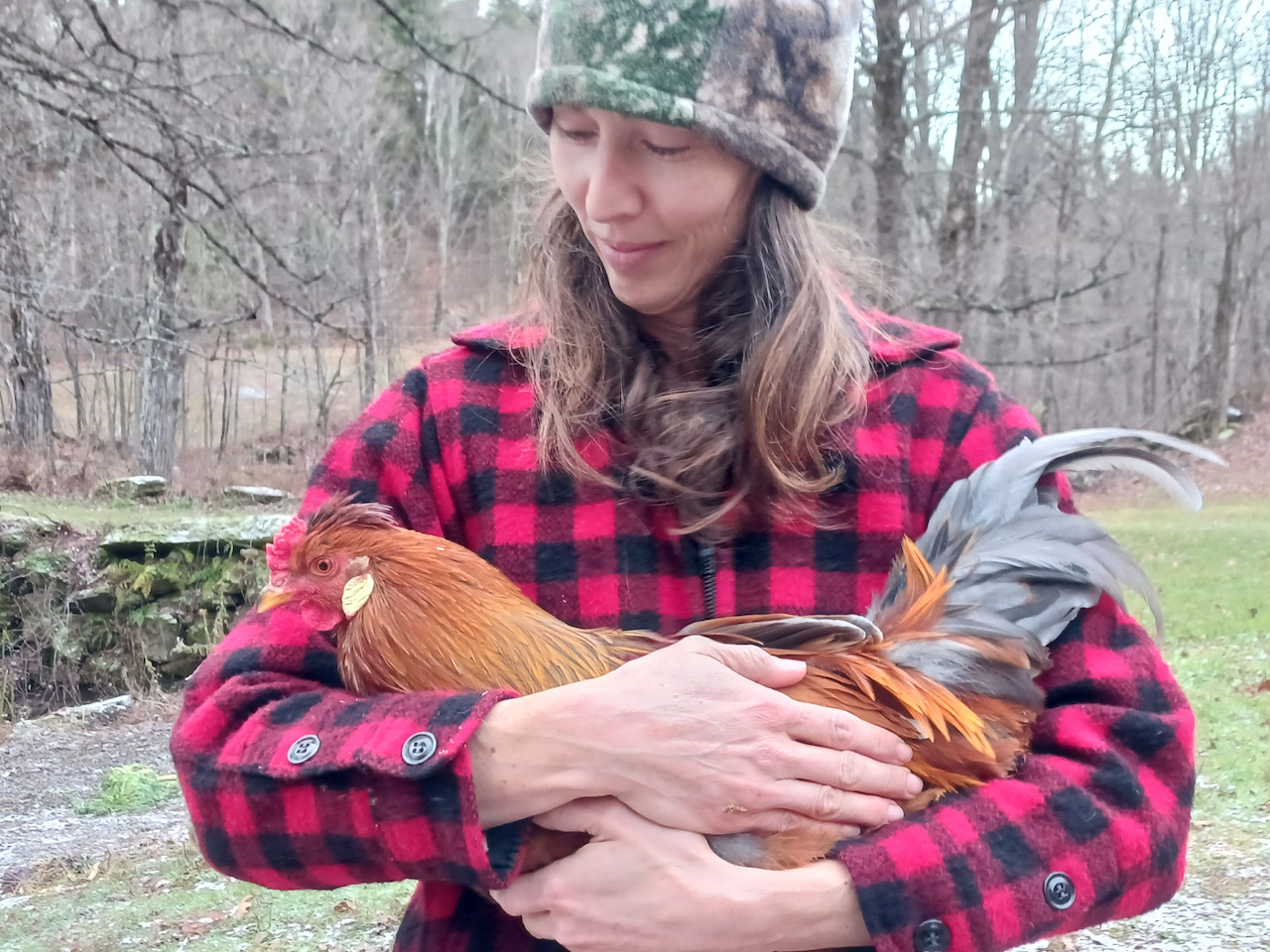
As we approach Thanksgiving, I am mindful that the “first thanksgiving” meal in 1621 was a hunted harvest feast. Reports are that colonists hunted wild turkey for the celebration, and Wampanoag hunters brought five deer. Hunting was essential to survival.
Only recently in human history has hunting become a sport and also controversial. People have mixed and strong feelings about hunting. Arguments for and against are complicated. Who are we to take the life of another (“thou shall not murder”), yet isn’t all life dependent on the sacrifice of others? There are ecosystem considerations, ethical issues and many other factors that come into play in the debate that I don’t want to delve into fully here. But I do want to invite you on two walks as we hunt for perspective on how we harvest food.
The first walk is through the November woods here in New England. Bundled up in layers of plaid and camo with an orange safety vest and hat, we head out in the crisp pre-dawn air, leaves crunching under our boots. Our senses heightened, we listen for rustling on the landscape, look for signs of scat, tracks and tree rubbings. We are alert to all that is around us and move mindfully so as to avoid a twig-snapping step. There is a depth of knowledge that has been passed through the generation that comes with us, along with many stories from being out on the land, where, more often than not, ancestors have come home empty-handed.
Being here is a reconnection to nature and to long-standing tradition. There is a reverence we carry, a solemn knowing that our own dependency is wrapped up in the wellbeing of this ecosystem. The woods feel sacred. There is awe and wonder everywhere that our slower pace allows us to enter into. Feelings of lament and gratitude are both present with us in the ceremony of hunting for fresh local food that will sustain us through the long winter months ahead, if there is even an opportunity for an ethical shot. If so, the harvest will be honorable.
Join me now at the local grocery store. Tired from the hustle and bustle of life, feeling heightened stress as we head into the hectic holiday time, we grab the cold metal cart as we wear our stretchy sweatpants. Our senses are overwhelmed by artificial lights and piped-in music with marketing signage everywhere trying to get our attention (and dollars).
As we walk by the meat cooler and deli counter, the ground turkey and cold cuts are so processed they no longer have any resemblance or flavor of their original form. The plastic and styrofoam packaging destined for the landfill can only keep this meat fresh for so long. Nothing is natural here. All the messy parts have happened behind the scenes to enable us not to have to deal with death. Harvesting our food in this commercial space feels like a chore, one that has been contrived to keep us separate from and therefore numb to the sourcing of our food.

There are many more walks we could take together, such as in the footsteps of a dishonorable hunter-gatherer or those of a mindful grocery shopper. I’ve been in all these shoes at different times. My hope this harvest season is to step into fuller awareness of my own food-related footprints as I journey towards more faithful living. Where is your journey taking you?

RECIPE
Turkey Harvest Soup
A warm and welcome meal, this makes use of the season’s harvest. This soup is endlessly adjustable with veggies you have on hand. The protein can be all beans, exclusively turkey/chicken or a mix of the two. I make this whenever I have a poultry carcass, as homemade broth is wonderful and honorably uses all the edible parts of the bird (amazing how much more meat falls off the bone after a long slow simmer).
Ingredients:
- 1 teaspoon olive oil
- 1 onion, chopped
- 3 carrots, chopped
- 1 cup chopped celery or celeriac
- 1 cup peeled, chopped turnip or rutabaga (optional)
- 2 cloves garlic, minced
- 8 cups broth (best when homemade)
- ½ pound leftover turkey or chicken (about 1 ½ cups)
- 1 (15-ounce) can white beans (such as cannellini, great northern, navy)
- 1 (15-ounce) can diced tomatoes
- ½ teaspoon dried thyme
- ½ cup choppled parsley
- Salt and pepper to taste
- Serving suggestion: Cook a grain separately, such as barley, rice or noodles.
Instructions:
- In a large soup pot, heat oil. Cook chopped onion about five minutes, stirring often.
- Add carrots, celery and turnip, if using. Cook another five minutes, stirring often.
- Stir in garlic for 30 seconds.
- Add all remaining ingredients (except cooked grain). Bring to a boil. Reduce heat and simmer for ten minutes.
- At serving time, you can add a scoop of cooked grain to each portion. That way the grain doesn’t get soggy if there are leftovers.



Have a comment on this story? Write to the editors. Include your full name, city and state. Selected comments will be edited for publication in print or online.