


Summer is over, and fall is here. Changes are everywhere, including in the garden. Different seasons bring different veggies. As the seasons change, different circumstances allow different plants to thrive. Compared to summer, fall has shorter days. During these shorter days, the intensity of the sun is lower as well. And, of course, the temperature begins to lower. At the transition of a natural season, I want to take a closer look to find lessons for navigating seasons of life.
Fall has shorter days than summer. There is less intensity, less energy to be spent. Many plants we love from summer couldn’t be started now — tomatoes, peppers, sunflowers. But all of these plants used the summer to build up their root systems and foliage, the infrastructure they needed to bear fruit. Now that they’ve matured, the plants can continue to use even the reduced light to produce more delightful fruits, flowers and seeds. Tomatoes and peppers can continue with reduced capacity until a frost takes them out. In the South, that might mean getting a few small tomatoes a week until next spring! The reduced capacity isn’t as exciting or flavorful as the first harvests, but they are still good.
Leviticus 19:9-10 instructs landowners to leave these late harvests for the poor to collect. The point is that people have likely planned their needs or business plans around the main harvest, so any additional harvests are just bonuses. Since the first harvest took care of the landowners, any bonuses should take care of the rest of the community.
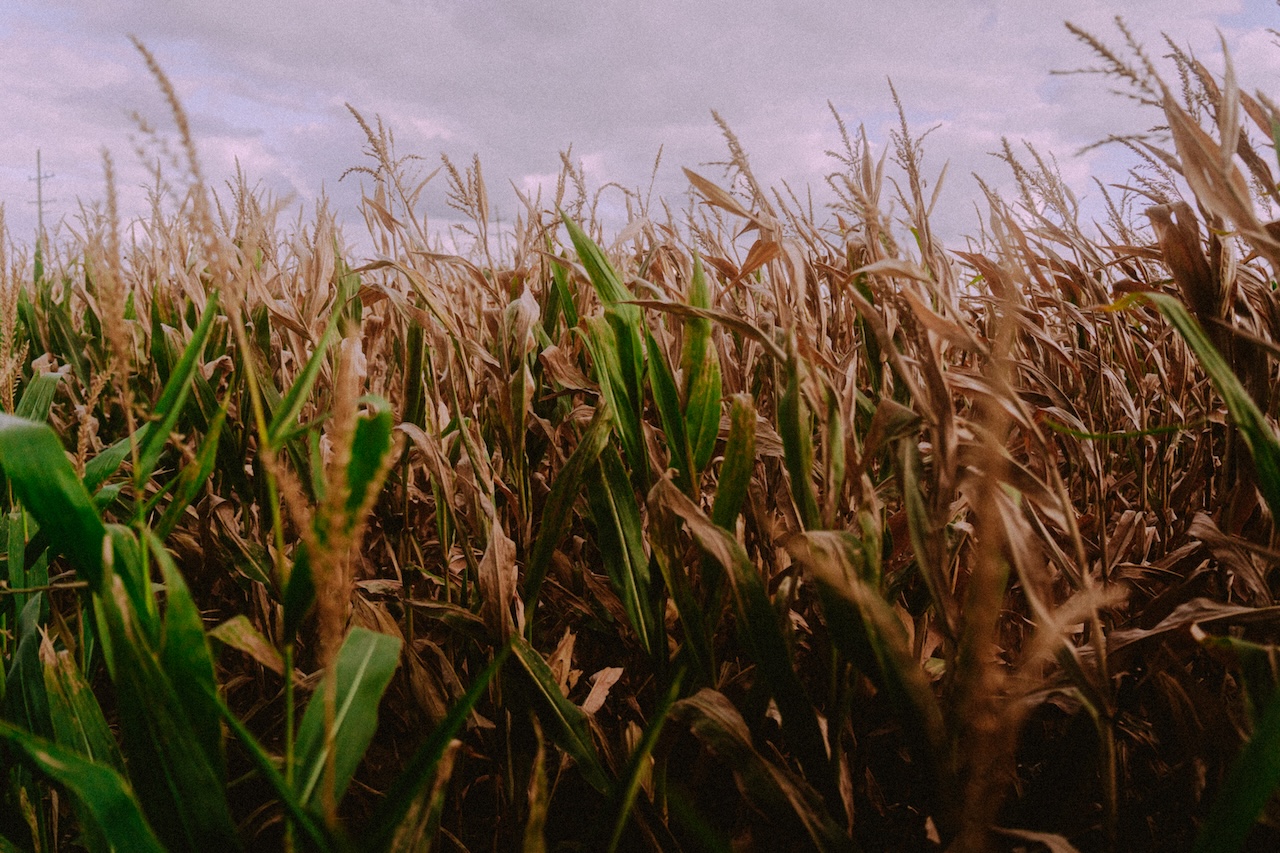
Many summer crops are ‘winding down,’ but that’s not true for all of them. Corn, winter squash (like pumpkin and acorn squash), and dry beans are all doing important work. Dry beans and corn mature and dry as their plant body withers. Letting them dry in place is best for the quality of the produce and for preventing molding or spoilage.
Winter squash aren’t slowing down in production like tomatoes and peppers, but they are transitioning to making sure the fruit is fully mature. The squash are packing in the last bit of nutrients and making sure they have a quality rind that will allow them to stay good all winter without needing a refrigerator. (They’re “winter squash” after all.) These plants need the circumstances of two different seasons. An intense summer helps them grow, and a mild fall allows them to focus on finishing the job correctly. These crops are like projects that take different settings to complete.
The Bible shows us some important things that were done across different time periods. Joshua led the end of the time of wandering that began with Moses. Solomon finished a temple David could imagine, but not build. These are both examples where the final product simply couldn’t happen during the time the project began. Some things just take time before they can be completed.

But fall is not just here to finish projects we started in summer. Fall brings its own circumstances and its own crops. The intense light that supercharged the flavors of summer also made all my spinach, lettuce, arugula and radish bolt. With less intensity and less heat, these guys are ready to return! Fall crops like snow peas, string beans, bok choy, pak choy and all manner of delicate greens are ready to show off.
The sun that would have stressed them into beginning these crops’ reproductive process (going to seed, bolting) and becoming bitter has calmed down. I think of these plants as laid back, type B. Over the fall they’ll produce and mature more slowly, but for many of them a stray frost here or there won’t harm them. In fact, many plants will use increased sugar as an anti-freezing agent to take less damage from a frost. That’s why spinach is sweeter in fall and winter. The frost that kills the tomato sweetens spinach. The sunlight that stresses the spinach fortified the tomato.
I often think about attention and light as related. One thing that occurs to me is how strong attention and scrutiny can bring out the best of some things and harm others. I think about organizations and communities that exist outside of intense organizational scrutiny. Intense organizational scrutiny, like intense light, can be a fuel source. If an organization or project can uphold certain standards, a larger governing body can give it a stamp of legitimacy that allows it to quickly build partnerships, donors and achieve its mission.
But that’s assuming the group is a summer crop. The Coalition to Dismantle Doctrine of Discovery and its legitimacy within MC USA comes to mind. Some groups are fall crops. The organizational scrutiny that empowered the Coalition would scorch the BMC (Brethren Mennonite Council on LGBT Concerns). The BMC has an important role in the past and present work of conveying God’s love for all people. The BMC has done necessary work and has been effective by working at the edge of MC USA rather than fully within it. There are fruitful things that grow outside of the full intensity of the sun.
No season is wasted. Fall is a time of extending the blessings of summer. Fall is a time of completing the blessings of summer. Fall is a time of nurturing what would not survive summer.
Here are some questions to consider as you transition during seasons of human life:
- What is worth continuing to foster from the last season? Is there a way you could use it to share knowledge or resources with your community?
- What can now be completed from last season?
- What can now begin now that you are in a new season?


Have a comment on this story? Write to the editors. Include your full name, city and state. Selected comments will be edited for publication in print or online.