


Easter blooms in a visit to a monastery in the desert of New Mexico.
Abba Lot went to see Abba Joseph and said to him, “Abba, as far as I can I say my little office [prayer], I fast a little, I pray and meditate, I live in peace, and as far as I can, I purify my thoughts. What else can I do?” Then the old man stood up and stretched his hands toward heaven. His fingers became like 10 lamps of fire, and he said to him, “If you will, you can become all flame.”—a saying from the Desert Mothers and Fathers
 I went to the desert to pray. It was the bleak midwinter of January. The brothers of the Benedictine Monastery in Northern New Mexico were welcoming and warm as always. But the landscape was naked. The frozen air singed my nose hairs. I had been here in the summer, when the high desert was blooming and the birds were thick as thieves. But the austere beauty of the winter landscape took my breath away. The sheer orange cliffs were dusted with snow, and the Chama River was a stunning, diamond-encrusted sheet of glass. Every day I walked for miles up the canyon with the sun on my face, singing me home to my soul.
I came to sit in the silence and song, among the brothers who chanted the Scriptures no less than seven times a day. Sometimes at night, after evening prayers, I walked out into the black velvet of the night, the starfields above me, the coyote’s haunting wail like surroundsound. I was startled into wakefulness and alertness in my heart, a receptivity to the Divine that I often don’t feel in my daily hubbub.
Cynthia Bourgeault, in her book The Wisdom Way of Knowing: Reclaiming an Ancient Tradition to Awaken the Heart, writes about Jesus as “Moshel Meshalim,” the teacher of wisdom, the one who awakened us to the kingdom of heaven that is within us (Luke 17:21).
She writes, “To realize that the kingdom is here and now is really a matter of developing a kind of X-ray vision—looking through the physical appearance of things and responding directly to their innermost aliveness and quality.” This ability of the heart to see beneath the surface of how things seem to be and know the presence of Christ in all things, even suffering, begins the sacred alchemy of transforming and attuning the heart to the very nature of Christ’s love.
I caught a glimpse of it in the heart of creation—here at the monastery, where people came to pray in the desert.

Father John, the hermit who lives up the canyon, met with me one day. I had come here, wrestling with the God of Jacob and Rachel, struggling to keep the flame of love in my heart alive and burning amid the troubles of the world. It was hard not to be troubled as I heard the news of the day—ongoing Palestinian occupation, Afghani children freezing to death in refugee camps, a hydraulic fracturing epidemic in this country and the massive profits of a fossil fuel industry, the warming global climate and unpredictable weather patterns, the deadly flu, children massacred by assault weapons. Many days I felt as though the administrivia of ministry was not meeting the desperate needs of the world.
I first met Fr. John in the summertime. I was doing my daily labor, digging up weeds in the yard where the brothers grow their own hops for the Belgian style Monks Ale they brew (“ora et labora” is a Latin phrase meaning “prayer and work,” instituted by St. Benedict as necessary for a balanced life). Fr. John was tending the wee sprouting hops.
As our conversation unfolded over the water jug—throughout the sweaty heat of the morning—I suddenly felt as though I were the woman at the well, standing before the real deal, being offered living water for my thirsty soul. Or perhaps I was Mary Magdalene in the garden, who in a moment knew that the risen presence of Jesus was suddenly there before her, a radiant presence of resurrected Love, filling her up with renewed hope and joy.
This particular day, Father John told me of the story of Abba Lot and Abba Joseph, from the desert fathers: “If you will, you can become all flame.”
Fr. John invited me (again) to deepen my prayer life. No matter who you are, where you are called, what you are doing, he reminded me that prayer is the way to fan the flames of love for a suffering world and keep one’s heart alive with God’s grace. For Fr. John, prayer isn’t just a laundry list of things that God can do for him. Prayer is communion, a daily, ongoing intimacy and relationship with the creator of one’s body, mind and soul. And if one is connected to this Living Presence, then any and every thing one does in ordinary life becomes like the burning bush—holy ground, alive with meaning and purpose.
Fr. John appears to live in a perpetual state of resurrected joy. It’s not that he doesn’t know suffering. I know little of his life, but I do know he has served the poor in the inner city and lived through the horrors of the Balkan wars in 1990. But he has come to know the secret of a faithful and rich inner life, which is not predicated on the news of the day. These days, he lives in a small hermitage, helping the brothers with repairs and other handyman services, meeting people throughout the day with his radiant and authentic countenance. He is turbo charged by the love of the Resurrected Christ. Those who meet him are awakened, stirred to life by the vibrancy and living color of his being.
And so, in the depths of my winter monastery visit, Easter was beginning to bloom, far before the snow melted and the land sent up green shoots. Resurrection was afoot, in spite of the troubled world I would return to. A world that seemed so very far beyond this cloistered place but was really close at hand. A world longing to be filled by yet one more flame of love.
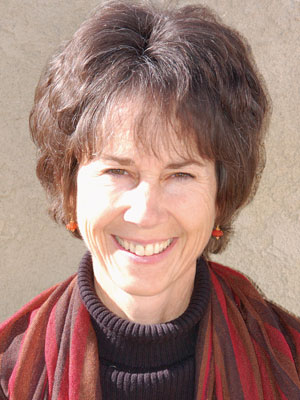
Anita Amstutz is pastor of Albuquerque (N.M.) Mennonite Church.


Have a comment on this story? Write to the editors. Include your full name, city and state. Selected comments will be edited for publication in print or online.