


July is almost over, and everything is feeling the heat. In this heat, I’m thinking about the beach. I’m thinking about air conditioning. And I’m thinking about my plants.
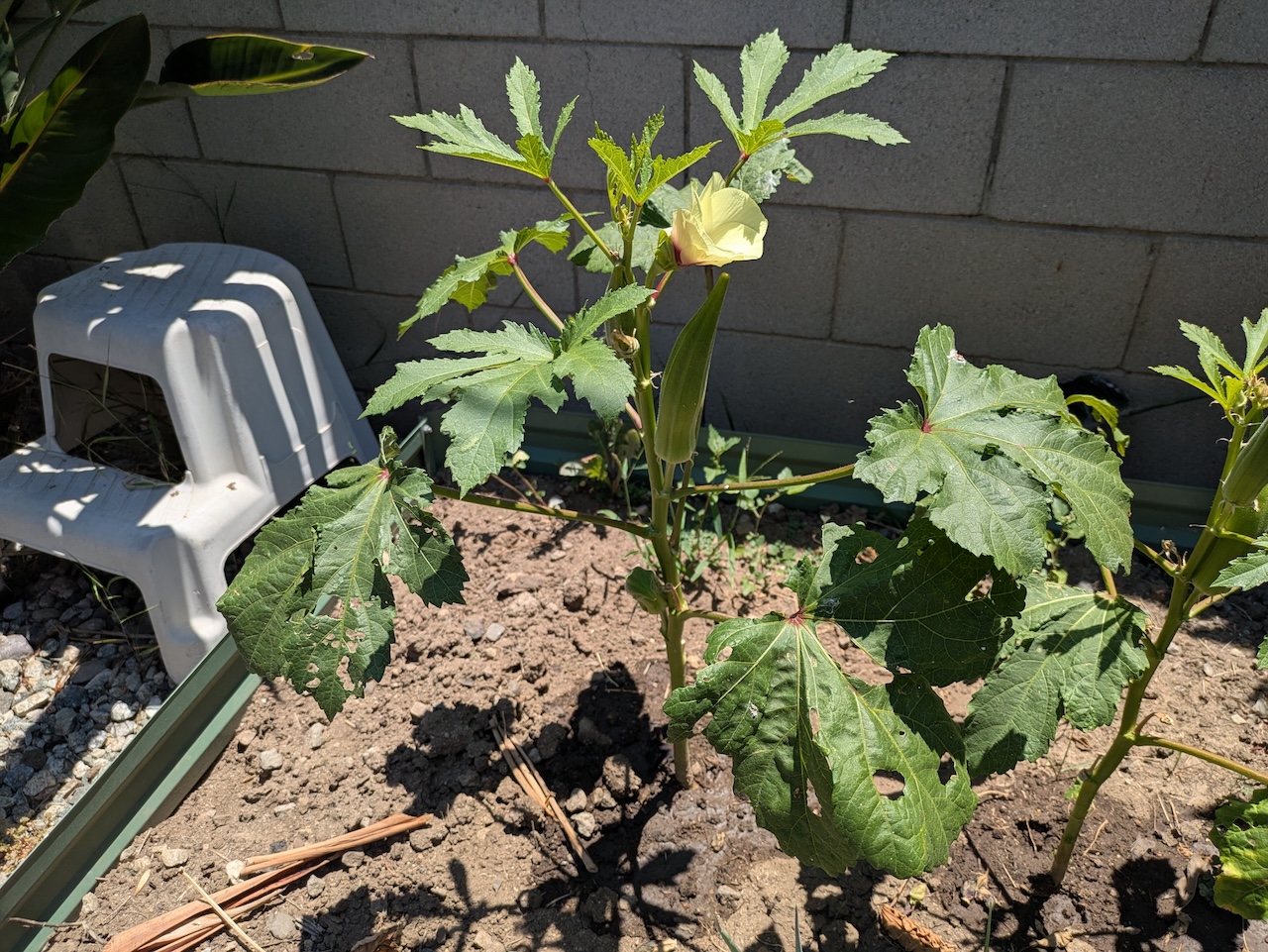
In the garden, fully-grown, warm-season crops are flourishing. Berries, tomatoes, okra, beets — all are delicious and thriving with intense sun and heat. The whole garden is full of these magnificent warm-season crops. If I didn’t plan for the warm season correctly, the hottest time of the year would become a time of waiting.
When it comes to planting, there are some forgiving portions of the year. You’ve got a range of time to plant most crops. But not many of those ranges are happening now.
Right now tomatoes, peppers, and eggplant are having fun soaking up the sun. If I had wanted to start those plants now, this direct hot sun would make it difficult for the babies to get established without getting scorched. Even more, by the time they got established it would be fall, and they wouldn’t have very much time as mature plants to use the long days, bright sun or consistent warmth to make much good produce.
On the other hand, if I tried to plant something that does well in the fall, I would face a different set of problems. If I tried to plant arugula, I would get a good germination, but the bright sun could scorch the plant as it is trying to get established. Even if it would get established, the heat and light intensity can cause early bolting; it would go to seed and become bitter — the wrong kind of bitter for arugula — before I can get a good harvest from it.
The environment is too intense right now to start something new. The same sun that is infusing my peppers and tomatoes and mulberries with summery goodness is the same force stopping me from starting any new crops.

Until it cools down, tending to what is established is the name of the game. “Tending” is one of my favorite things to do in the garden. I find purpose and serenity in monitoring how the soil is reacting to waterings, checking for bugs and disease and pruning. The fact that it’s not a good time to start something new gives me permission to focus completely on the current crops.
Besides the work of making sure each plant is set up for success, taking this time to deeply observe the crops gives me the opportunity to bask in the beauty of the garden. It is so easy to fuss over starting seeds, planning the exact right placement for the crops and researching a new technique for this or that — all of which are worthwhile. But these tasks all seem like a distraction in comparison to the joy of basking in the beauty of the garden. There will always be this chore or that chore to fuss over; meanwhile, the butterflies on your flowers and the bees on your tomatoes are only here today.
It reminds me of Mary and Martha. Martha will always have work to do; there will always be more work that can be done. But Mary’s discernment showed her what was precious and fleeting, and what should be tended to in that specific moment.
We are in a time of the year when we can’t start new projects, but tending to established projects is quite rewarding and beautiful, even while planning for fall crops is still necessary. Striking this balance is tricky. Balancing current projects and planning ahead is one part, but it can also be frustrating to plan for something you can’t take action on yet. Planning is an act of hope, and waiting can cause frustration. As a gardener, the end of summer can be a time of hope, frustration and beauty.
As a person of faith, it seems like every time is a time of hope, frustration and beauty. There is so much to hope for: hope for the Kingdom of Heaven at hand. Hope for God’s work of reconciling all of creation to himself. Hope that love wins.
And the work of discipleship is frustrating, too. It calls for striving without achievement. It calls for more work than we could ever do. It also calls for us to work together. It calls for us to share the load of the frustration. It calls for us to share hopes that bear fruit. Sharing beauty with one another is a powerful purpose of faith communities.
Every season has its share of hope, frustration and beauty. I am simply trying to engage with each and get ready for what happens next season.
Practices for tending to the current season


Have a comment on this story? Write to the editors. Include your full name, city and state. Selected comments will be edited for publication in print or online.