


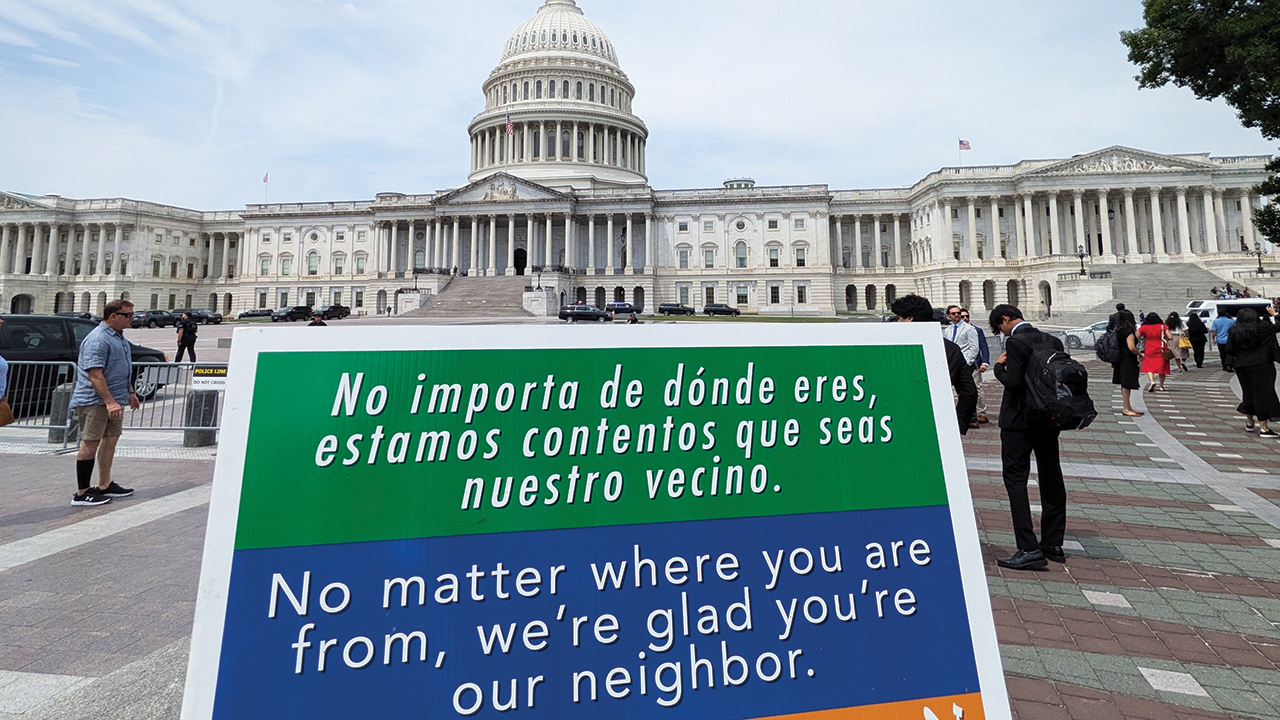
Frustrated with political and religious leaders who offered empty words, apathy and cruelty, Jesus proclaimed that God judges based on actions — specifically, actions toward those society deems unworthy.
In Matthew 25:31-46, Jesus tells a parable about how God will judge people by their actions toward society’s most vulnerable: “I was hungry and you gave me food. I was a stranger and you welcomed me. I was sick and you took care of me. I was in prison and you visited me.”
There’s a tendency to sort politicians (and nonpoliticians) into good and bad categories based solely on political labels. Similarly, we might think all we need to do is elect the right person from the right group, and that will fix everything.
But when citizens of a society and of God’s kingdom decide their role is only to elect someone from a certain group, democracy and general well-being are in jeopardy.
We have a responsibility to think and act more deeply. Jesus told us how to judge our leaders’ actions. Do they feed the hungry? How do they treat immigrants? Care for the sick? Do they show compassion to prisoners?
Anabaptists go further and emphasize Jesus’ teachings on nonviolence, looking for policymakers who oppose military spending and war-making.
In turbulent times, there’s a temptation to view increasing misery as a temporary season: “This too shall pass.” But many of our neighbors will not weather this storm.
The 11 people shot and killed by immigration enforcement officers since January 2025 did not weather it. The thousands killed and injured in places the United States is bombing, or sending bombs to, have not weathered it. The tens of thousands languishing in prisons and detention centers are not comforted by a vague promise their ordeal will pass.
U.S. economic sanctions, embargoes and funding cuts for global humanitarian assistance may seem less violent but are just as deadly. Cuts to food assistance and health care in the U.S. are also increasing misery and death.
If these horrors haven’t yet visited our doorstep, that doesn’t make them less real. Nor does it absolve us of the responsibility to make better choices on behalf of those more vulnerable to such attacks — to be more informed, more involved.
Our current reality emerged from policy decisions made (or not made) by elected leaders over many years. For decades now, immigration reform has more often been a tool wielded to attack political opponents than the subject of good-faith debate. Meanwhile, the U.S. immigration system has become increasingly difficult to navigate. Multiple immigration pathways have been removed altogether, and immigration enforcement is even more brutal and arbitrary.
This year, the White House requested $1.5 trillion for the military budget, a 50% increase. Lifesaving humanitarian assistance, which makes up less than 1% of the federal budget, has been cut by more than half. It comes as no surprise that the world has become more violent and that many struggle to meet their basic needs.
Political problems demand political solutions — and we can respond with political engagement. In the Book of Esther, rather than expecting others to save her people, Esther pleads with the king at great personal risk, saving the lives of many.
Today, when neither political party delivers the changes needed to improve people’s lives, especially for those most vulnerable, we should stop expecting our leaders to fix the world for us or without us.
Rather than putting our faith in political parties and individual leaders, we need to muster the strength to hold them all accountable to Jesus’ rubric: how we treat those who are most vulnerable. In a democracy, we have the power and the responsibility to push for change.
When leaders disappoint us or democratic structures fail us, we don’t throw up our hands. We roll up our sleeves.
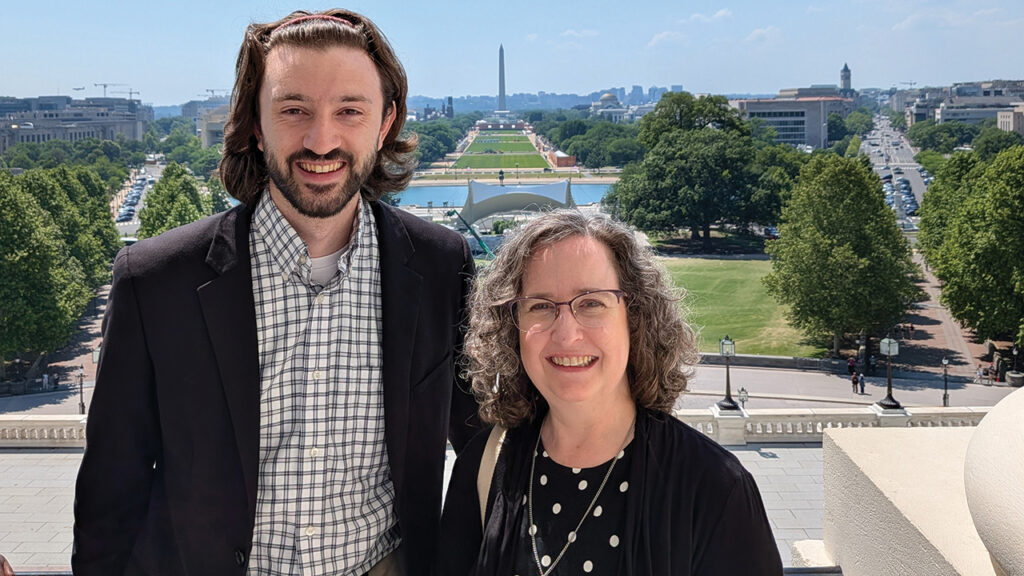
Working for change means paying attention and staying informed. If that feels overwhelming, start with a single issue and dig deeper. Hold your local or national leaders accountable. At the very least, let them know you care and are watching. Call your members of Congress or pay a visit to their local or national offices. Vote in local and national elections, volunteer to register voters, work at the polls or become a poll watcher. Consider running for office or supporting someone from an underrepresented group who is running. Follow local and national organizations working for peace and justice. Use their tools for advocacy, attend an event, follow them on social media.
No one person can make change alone. But when we join together in nonviolent actions, those actions can make a difference.
It’s exciting to see a new generation of candidates from various backgrounds rolling up their sleeves and running for office, reminding us that governments should be about improving quality of life every day. That those who repair our streets, pick up our garbage and teach in our schools should be celebrated, not vilified. That anyone who governs should lead with compassion, humility and curiosity.
Engaging in the political realm, and in societal change of any kind, is stressful. There’s a reason the Bible recounts numerous instances of Jesus stepping out of the chaos and resting. Find a balance between apathy and overload, between letting your heart grow cold or letting it be crushed by despair. Work in partnership with others. Find people and organizations that inspire you. Step in, do your best, then step out and recharge.
But never doubt that you can make a difference. Each of us has something to offer. Together we can build God’s kingdom and watch it flourish for all.
Tammy Alexander is director of National Peace & Justice Ministries for Mennonite Central Committee U.S. Galen Fitzkee is a legislative associate with NPJM.



Have a comment on this story? Write to the editors. Include your full name, city and state. Selected comments will be edited for publication in print or online.