


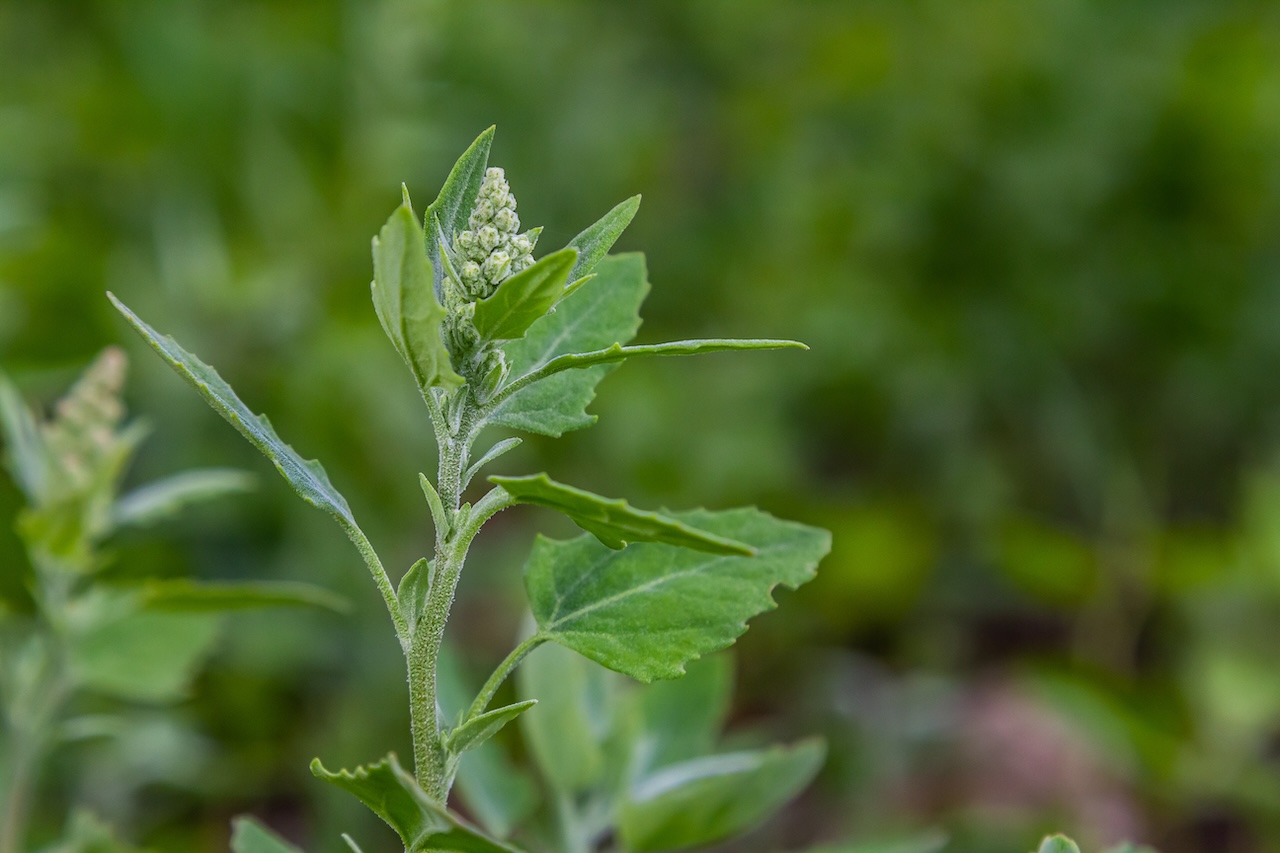
Weeds are fascinating. They vary by region, but there are examples familiar to almost everyone. One of my favorites is lamb’s quarters, also known as goosefoot. It grows quickly in disturbed soil, often signaling a nitrogen-rich patch of earth. Harvesting the tender tips yields a surprisingly tasty steamed green. Perhaps its deliciousness stems from its close botanical relationship to quinoa. I’ve never heard the term “superfood” applied to a weed, but here, it fits perfectly.
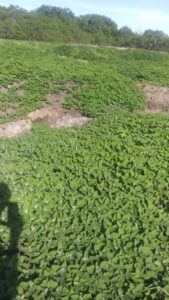
I’ve seen massive, disturbed lots carpeted in tender, foot-tall lamb’s quarters. A person in the know could treat such a place like a mature crop. Yet, because lamb’s quarters is culturally categorized as a weed, most people simply wouldn’t harvest it for sustenance. We might occasionally break off a leaf as a novelty — mostly to show someone else that “some weeds are edible” — but relying on it for actual food isn’t something we do. It feels a bit like showing up barefoot to a formal event; even if it’s hot out and taking your shoes off makes perfect sense, our cultural programming holds us back.
Meanwhile, the world is navigating a grim milestone: crossing the 1.5°C-warming threshold that scientists have warned us about for a generation. It is massive news, yet it hits our collective psyche differently than standard headlines. I see many people responding to this daunting reality with beautifully simple calls to action — an urgency to learn backyard gardening or a doubling down on community agriculture.
Now is the perfect time to not only get more familiar with weeds, but to develop the capacity to actually accept their gifts. On the most direct level, it is time we learned to embrace the free food the land is all but forcing upon us. Lamb’s quarters greens pair beautifully with cooked quinoa. Purslane is bright and delicious served under a piece of fish. And most of us already know that slightly bitter dandelion greens are a fantastic way to add complex body to a salad.
Beyond just eating them, we can shift how we view these plants, starting with our language. The word ‘weed’ is inherently pejorative. That isn’t entirely bad; it helps us recognize when our own interests conflict with what the land is trying to do. That friction is important to acknowledge, and there are certainly times to try and win that struggle. But perhaps we would do better to occasionally accept the gift rather than fight it. We can pause and ask ourselves, “Is the lettuce I want to plant in this exact spot actually a better use of space than the plant that has already volunteered there?” Sometimes, even in terms of the land feeding us, the answer is no.
Practice
Look up the edible weeds in your area and figure out a way to taste them. Toss a wild herb into a salad, or steam a heartier green. Whether thoughtfully incorporated into a full dish or just a curious bite plucked right from the stem, taking a small step into deeper familiarity with what the Earth naturally offers is one step for all of us toward greater resilience.




Have a comment on this story? Write to the editors. Include your full name, city and state. Selected comments will be edited for publication in print or online.