


Siberia’s farmers had a rough autumn in 2025. An abundant wheat harvest kept prices down. Transport issues limited the number of markets. The entire harvest often could not be sold, and a significant number of the region’s farmers lost money.
David Epp, the technical chief of Willock Farm near Apollonovka, said in December that it was the firm’s farm implement branch that kept the operation afloat. But that’s an understatement: The last of five new construction halls is nearing completion, and Sevmaster, Willock Farm’s industrial branch, is running out of space at its factory site in Medvezhe 11 miles to the west and 100 miles from Omsk, a city of 1 million residents.
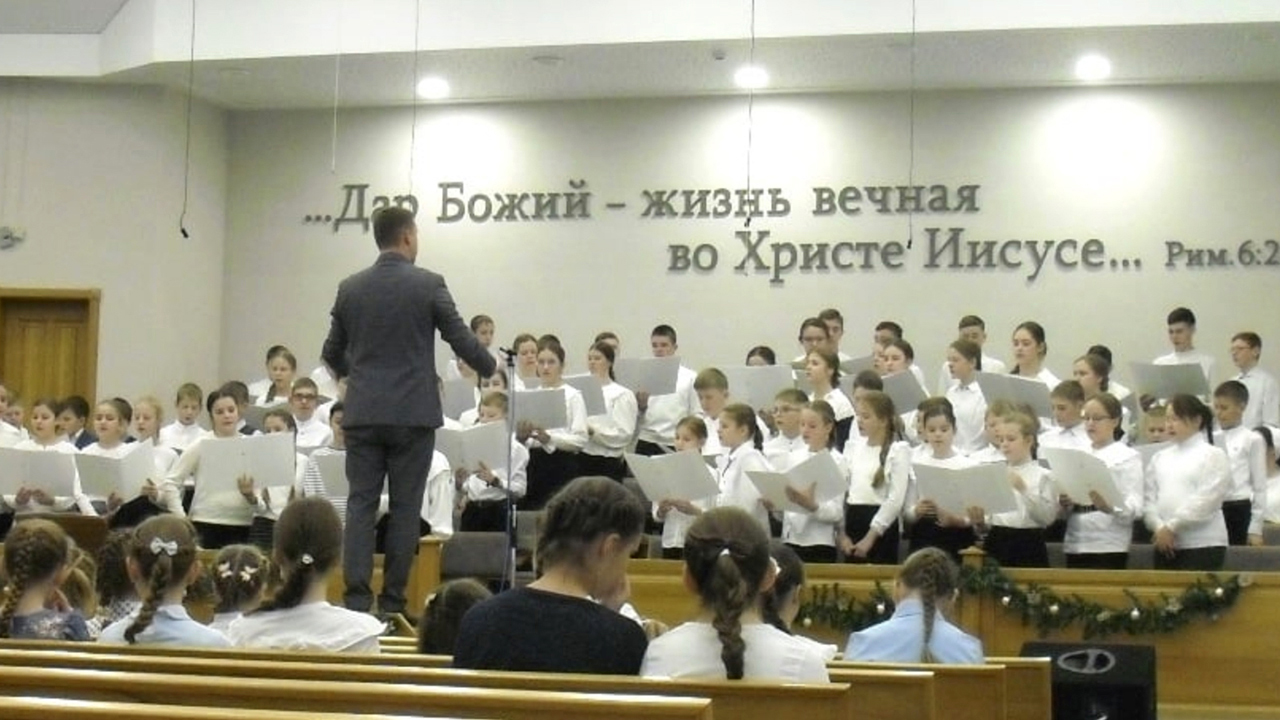
Apollonovka is one of Russia’s few majority-Protestant villages, peopled largely by people of Mennonite background who arrived at the turn of the 20th century from today’s Ukraine.
Willock Farm is surely the largest firm in Russia doing much of its production work in Plautdietsch (Low German), a dialect still spoken by people around the world who trace their ancestry to Mennonites in northern Germany. Roughly 50 of Willock Farm’s 60 employees are of German ethnicity. Wheat accounts for half of the farm’s crops, which also include peas, flax, sunflower, and canola.
The farm’s patriarch, Mennonite farmer Walter Willms of Abbotsford, B.C., still visits annually after jump-starting the project in 2002 with an interest-free and repaid loan.
Wealth remains on the upswing. Heinrich Schellenberg, a veterinarian and lay pastor in Neudachino east of Omsk, said he and his family have no reason to leave for Germany.

“We have work, money, housing, the church, family and friends,” he said. “There is nothing more that we could need.”
Visits to and from Germany still occur on roughly a weekly basis. At Willock Farm, an impressive line of German-made Claas combines remains in operation.
Apollonovka may not be a melting pot, but its cultural diversity is increasing. Though the village of only 1,000 residents is approximately 80% Mennonite/Baptist, it now features both an Orthodox chapel and a mosque. The latter is intended for recent arrivals from neighboring Kazakhstan. Apollonovka’s recently built Baptist “house of prayer” seats 900.
A lay pastor north of the border town of Isilkul reported all of his seven adult children are living in their hometown. This stands in contrast to a westward “brain drain,” with exit rates as high as 80-90%.
Since the outbreak of hostilities in Ukraine in early 2022, Baptists and Mennonites of Western Siberia have achieved exemptions from military service. Sometimes grudgingly, draft boards concede Article 59 of the Russian Constitution permits exemption for reasons of conscience.
Siberian Baptists are relieved the war is far away, but deaths among non-German neighbors — even in Apollonovka — have brought the conflict home. These Siberian believers restrict themselves to the religious realm, attributing the cause of the war to humankind’s fallen nature.
Not all wounds inflicted during the Soviet era have healed, and not all suspicions have died. Among the ethnic Germans west of Omsk, most people grew up without fathers or grandfathers — their last death in a gulag occurred in 1985. But the offering of subsidies is a sign of the state’s willingness to make amends. These evangelicals try to do without, but subsidies for children and residential construction are accepted.
Siberian authorities have material reasons for making amends. Despite its small workforce, Willock Farm has become a vital contributor to the survival and growth of Western Siberia’s “outback.” The technically illegal “Omsk Brotherhood,” formed in 1960 among largely ethnic-German Baptists and Mennonites, remains a significant unregistered religious movement alongside the International Union of Churches of Evangelical Christians-Baptists. The major church building in Apollonovka is registered as a privately owned structure “reserved for religious usage.”


Have a comment on this story? Write to the editors. Include your full name, city and state. Selected comments will be edited for publication in print or online.