


Three years ago, on an apparently average Thursday in May, I found out the Farm and Garden store just outside of Elkhart, Indiana, was closed. This was highly unusual. The store was run by Plain folk.
I never knew whether they were technically Amish or Mennonite, only that they appeared in traditional garb with tremendous reliability. They were simply always there. I knew their rhythms so well that I sent a volunteer there without a second thought for the church gardening program I was leading at the time.
A little while later my phone rang.
“They’re closed,” the volunteer said.
“Closed? Today?”
There was a pause.

“Ascension Day?” I asked.
“Yes,” the volunteer replied. “The Amish always close for it, I’d forgotten.”
As for me, I’d never even known.
I remember sitting there afterward, oddly unsettled. Here were people whose lives were structured enough around the Christian calendar that a Thursday in May — not Christmas, not Easter, not even Good Friday — could interrupt commerce itself. Meanwhile I, a pastor running a church garden program, had barely registered the day.
Ascension Day, celebrated forty days after Easter, remembers Christ ascending into heaven before his disciples. It can seem abstract compared to the drama of Easter or Pentecost. Yet gardening has made me wonder whether that hiddenness is part of its wisdom.
Seeds disappear underground before they feed anyone. Compost looks like loss before it becomes fertility. Fruit trees spend years building unseen strength before they produce abundantly. Gardens are full of transitions we cannot rush or control.
This year in Florida, many of us are gardening through drought. We water carefully, watch the skies anxiously and are reminded daily how little control we truly have. You can prepare the soil beautifully, choose good seed and plant at the right time — but growth itself remains a gift.
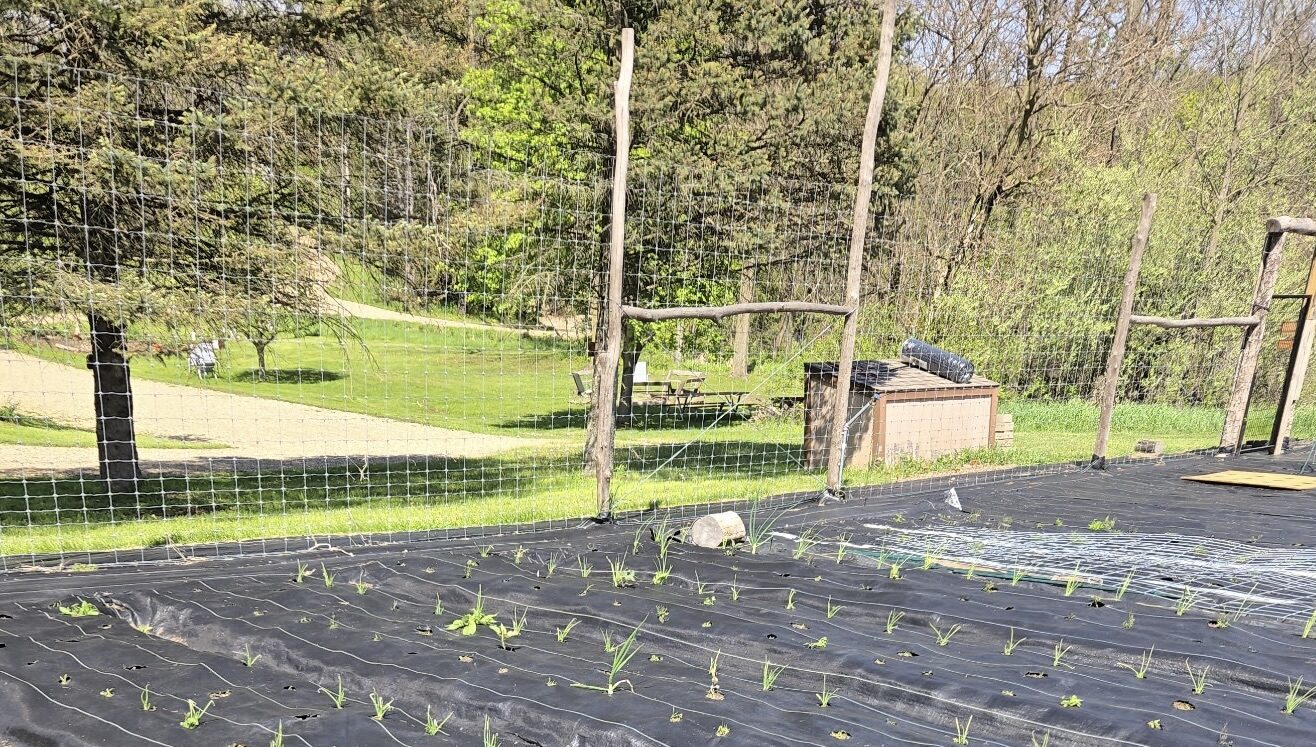
I have also wondered whether there may be agricultural wisdom buried in the timing itself. Ascension falls roughly around planting season in many northern farming communities. Was part of the wisdom in observing the day connected to the fields? A moment to celebrate getting the seeds into the ground, while also acknowledging that their growth belongs to the Creator?
I genuinely do not know. Perhaps readers with roots in Amish, Plain Mennonite or other traditional farming communities will have thoughts on this confluence. I would love to learn from those with deeper experience in those worlds.
But I do know this. In a culture where even churches are tempted to measure worth by productivity, there is something quietly profound about closing the store for a Thursday feast day. The world keeps turning when we stop working for a moment. The garden survives a day untended. Sometimes the most faithful thing we can do is remember that heaven and earth belonged to God long before they belonged to us.
Community Practice
- Gather a few friends, neighbors or family members in a garden or park for fifteen quiet minutes of shared observation.
- Resist the urge to weed or fix anything. Instead, notice together what is growing through cooperation beyond human control: pollinators moving between flowers, soil holding moisture, birds calling, seeds emerging.
- If planting, let each person place a seed in the ground and offer a brief word of gratitude or hope.



Have a comment on this story? Write to the editors. Include your full name, city and state. Selected comments will be edited for publication in print or online.