


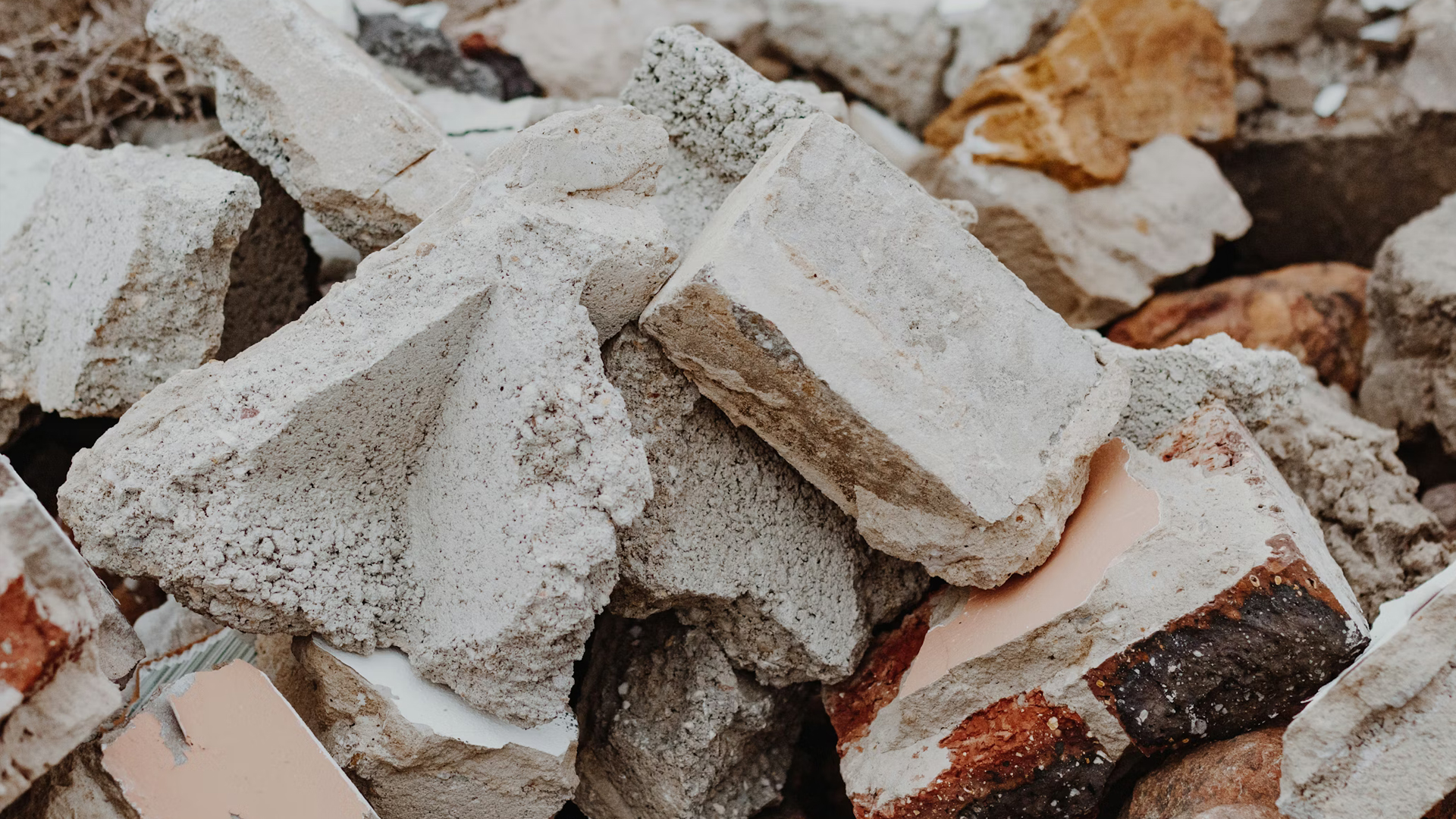
Once, the silty creek behind our house got drunk on a late-spring rain. Water sloshed out of the banks, swerved across the street and flooded our neighbor’s basement. The next morning, my sons and I went over to lend a hand. We waded through the mess and helped pull their belongings into the light of day: a bookshelf, some chairs, teddy bears soaked to the cotton bone — treasures rescued from the rubble.
There was a time when Israel’s treasured story was rescued from the rubble. Young Josiah was king. He was a seeker and a hoper and an old soul who “did what was right in the sight of the Lord.”
“Before him there was no king like him, who turned to the Lord with all his heart, with all his soul, and with all his might, according to all the law of Moses; nor did any like him arise after him” (2 Kings 23:25).
Josiah’s instincts were for reform.At age 26, he set about rebuilding the temple in Jerusalem (2 Kings 23:3). It had fallen into disrepair, Solomon’s gold long ago replaced with Rehoboam’s bronze, pillaged for Baal by wicked kings, sometimes shuttered
(1 Kings 14:27; 2 Chronicles 24:7, 28:24).
As the workers sifted through the stone, the high priest Hilkiah discovered the lost (hidden?) “book of the law” (1 Kings 22:8). What was this book? If it were the whole Torah — Genesis through Deuteronomy — and truly lost, then how could Hilkiah know how to be a priest? What would the priests have done with no Leviticus to guide their sacrifices, no Law to teach, no cycle of sacred feasts?
Perhaps what was discovered was Deuteronomy alone. In Deuteronomy 31:26, Moses commands the Levites who bear the ark of the covenant to place the copy of Deuteronomy by the ark “as a witness.” And indeed, in 2 Kings 23:21, the scroll pulled from the rubble is called “the book of the covenant” — conceivably the book containing the blessings and curses laid out for keeping (or not) the covenant in Deuteronomy 28.

The workers recovered a true treasure in the rubble, one that would guide Josiah’s renewal project.
In the last few years, I’ve found myself sifting through the rubble of our movement, wondering what it means to be Mennonite at this point in history. Is there a lost treasure God intends us to recover?
Some forms of North American Mennonite theology have seen our project not as one of recovery but of departure, seeking to rethink Christian faith from the ground up. They’ve sometimes held the Bible and the creeds — especially the Nicene Creed — in suspicion.
Much of early Anabaptism would have found their approach strange. As scholar Thomas Finger notes in a 2002 article, “when Anabaptists were put on trial, they were often accused of denying the creed(s), but usually professed belief in them and defended themselves against this charge.” Among prominent 16th-century Anabaptists, Balthasar Hubmaier and Peter Riedemann wrote catechisms based on the Apostles’ Creed. The second hymn in the Ausbund sings in Nicene terms of Jesus “born, not created . . . like the Father in essence.”
And then there’s our reformer priest Menno Simons. Few of us read Menno beyond skimming “true evangelical faith” from his hefty corpus. But in his “Reply to Gellius Faber,” it becomes clear that Menno envisioned a recovery of the faith and practice of the early church as depicted in the New Testament and the great creeds.
Menno riffs on the standard Reformational definition of the church to write: “Where the Spirit, word, sacraments and life of Christ are found . . . there the Nicene article comes in” (Complete Writings, 754).
I love that. I, too, long for that kind of church: animated by the Spirit, grounded in the Word, nourished by the sacraments, conformed to the life of Christ. It’s sumptuously orthodox: encounter, belief, worship and action all tuned to the living Christ.
It’s not hard to see how much we’ve lost — our failures to step out in the Spirit’s power, obey the Word, revere the sacraments as gifts of Jesus’ presence and grace, take up our cross in daily discipleship. But God is ever merciful. You can still just glimpse the corners of the foundation.
Call me Menno: I want to rebuild this church. I want to be a part of it. I want to kick-start it, restart it, renew it. Bring it back up from the rubble. Plant it.
Anybody else?


Have a comment on this story? Write to the editors. Include your full name, city and state. Selected comments will be edited for publication in print or online.