


How are you claiming joy? It’s a question I asked my friends and family this year. You might say it’s been my theme for 2026.
Finding joy is difficult these days, especially when simply glancing at our phones might suck us in to doomscroll for hours.
Claiming joy is not about shielding ourselves from the suffering around us. It is not about making us feel comfortable, especially those of us whose privilege grants us the ability to ignore the pain so many vulnerable people are experiencing.
Our calling as Christians — and specifically as Mennonites — won’t allow this. We are charged to walk alongside those who are hurting and confront the powers that rob people of their dignity.
So, what is there to celebrate?
My answer takes the form of another question: What is life-giving?

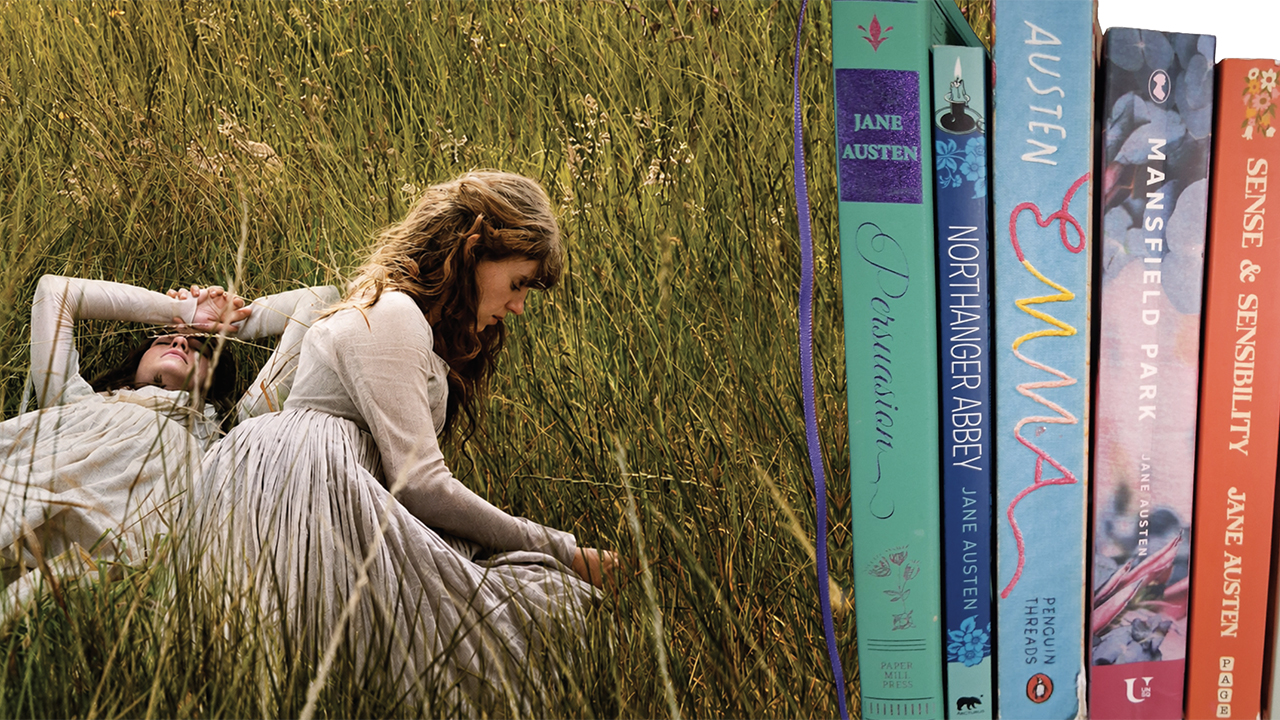
That question led me to return to the old-fashioned, unplugged pursuits of my younger years, now popularly known as “grandma hobbies.” Last January I decided to take up three of my favorites: hand embroidery, playing piano and reading the works of Jane Austen, the acclaimed British author of the early 1800s.
Carving out time for creative pursuits has not only given me joy but fed my spirit. It has fueled me with the energy I need to focus on the needs of others.
There’s something about using the five senses that heightens our awareness of living. Pulling the colorful threads of my embroidery needle through fabric tucked in a wooden hoop calms me as I make something beautiful appear.
Listening to the plaintive notes of Chopin’s Nocturne Opus 9 No. 2 as I finger the piano keys is pleasing to my ears, although I have yet to master it.
Visualizing the cottages and ballrooms of the Regency era by turning the pages of Jane Austen’s six novels not only makes me laugh due to her biting satire, but my discovery of Austen scholarship through online lectures and podcasts has revealed a young woman who had much to say about timeless themes such as who holds the power, what is true and the search for a meaningful life in a world that is deeply unfair. Especially poignant is how those themes are relevant to our world today.
Throughout this year, I have come to understand three things about claiming joy:
— It’s not just a coping mechanism. It is celebrating the rest and re-creation that God desires for us.
— It’s not merely a privilege. It is crucial to our well-being and makes us better people.
— It’s intentional. If we don’t plan it and make time for it, we risk spiraling downward by default.
Curious to hear about others’ experiences, I messaged a few Mennonites who are invested in social justice work and asked them how they are claiming joy in their lives:
Caleb Yoder, pastor at Faith Mennonite Church in Minneapolis:
Our congregation is full of concerned people, many of whom are involved in activist or neighborhood- based organizing work, and I do my best to support and encourage that work. Last winter we endured the ICE Metro Surge in the Twin Cities. We witnessed unprecedented brutality toward our immigrant neighbors, as well as people with Black and Brown skin. I am also concerned about ongoing wars, accelerating climate change and a federal administration using an authoritarian playbook to gain power.
I find joy in multiple ways. One is seeing the ways people come together and cooperate in troubled times. I am also a runner, which is a way to connect to the natural world and the topography of a place. I find joy through time with my family. I have two young boys, and there is something grounding about this aspect of life. Much as the flowers still bloom and the leaves still change color, so children play, explore and use their imagination, despite what is happening in the world.
Sheri Hostetler, pastor at First Mennonite Church of San Francisco and co-founder of the Coalition to Dismantle the Doctrine of Discovery:
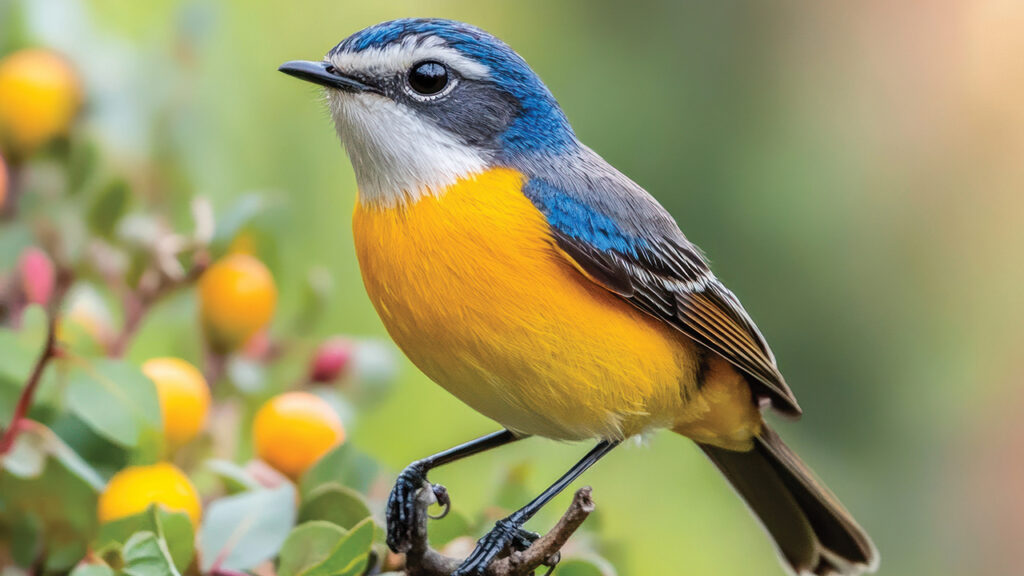
I get a lot of joy out of taking walks in my neighborhood and using my Merlin app to identify bird sounds. It’s a wonderful way to get to know my winged kin who live right beside me. I enjoy watching the changing light as we move from spring to summer to fall to winter and notice the leafing and blooming cycles of tree and plant kin. It’s important to feel sun on my face, especially on the darkest (metaphorically and literally) days. I also enjoy cooking seasonally as a way of grounding myself in the cycles of nature and in the ways my female ancestors, all of whom grew up on farms and were constantly working with the “fruits of the land.”

Mike Poage, retired pastor and member of Lorraine Avenue Mennonite Church in Wichita, Kan.:
Joy has been difficult to claim for me as well as for many others, especially during the past two years. The first thing that comes to mind is this: As a retired pastor, I have missed preaching, so I have found joy when asked to preach at my church. I have the time to do something I enjoy — researching and thoughtfully digging up some new, creative perspective on scripture. I also have the time to read the works of other theologians and consider their thoughts about the scripture I am working on.
I have been able to put more time into my poetry. I’m now on my 18th book. At 81 years old, I am in it for the long haul, no matter how corrupt and insane our government is. I always try to remember Helen Keller’s words: “The world is full of suffering, but it is also full of the overcoming of it.”
As we serve God and God’s people in these challenging times, may we never forget to claim and celebrate joy, for it is what will sustain us for the work we are called to do.
Ann Minter Fetters teaches English to refugees through the International Rescue Committee and is a member of Kansas Interfaith Action. She is a member of Lorraine Avenue Mennonite Church in Wichita, Kan.

Have a comment on this story? Write to the editors. Include your full name, city and state. Selected comments will be edited for publication in print or online.