


The concert hall lit up, the curtain lifted and the martial strains of “The Star-Spangled Banner” filled the room. The audience, including me, rose as one.
It was the first performance by foreign musicians at this venue after the 9/11 terror attacks. The Scandinavian brass ensemble deviated from its announced program to offer a surprise gift to the American audience.
It was the first time I stood for the national anthem without hesitation. Something inside me lifted me off the chair. I was deeply moved, even consoled.
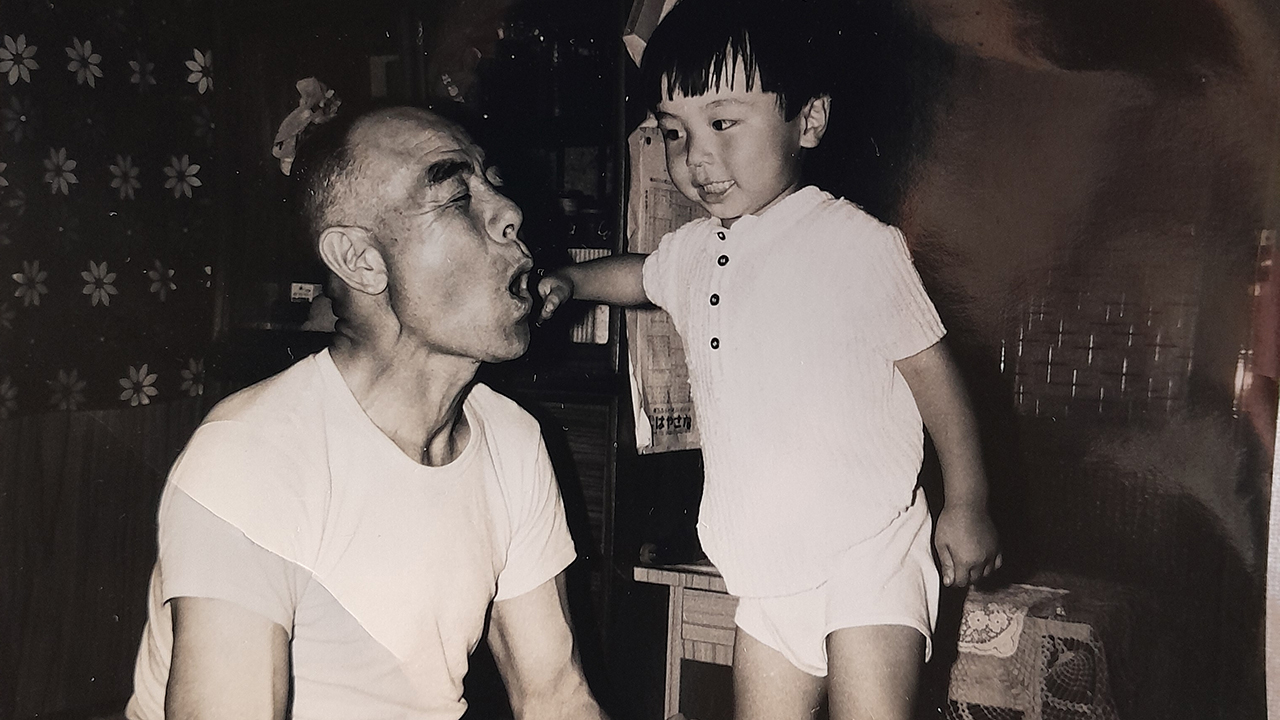
I am a grandson of a medic in the Japanese Imperial Army, sent to Manchuria close to the end of World War II. Years after his death, I still cannot imagine how such a quiet fisherman could serve in a war zone.
My grandfather never told us about his war experience, but some of my older schoolteachers did. The girls knit padded headgear from old blankets to wear inside the bomb shelters. The older boys took their younger siblings’ hands and ran for their lives from the incendiary bombs dropped by American aircraft. Those were my first images of war.
The 9/11 terror attacks were the closest thing I have witnessed to my familiar definition of war: people buried under the rubble, ordinary citizens screaming for help, all right here on our soil.

I am still a pacifist. But on that day 25 years ago, many of my progressive allies lost me. They denounced American foreign policy, and I agreed with them. But their inability to acknowledge their fellow Americans’ emotional distress — even momentarily, as if such a gesture would make them the empire’s co-conspirators — astounded me.
I am a convert to Christianity. After World War II, foreign missionaries went to Japan at the urging of Gen. Douglas MacArthur, who believed Christianity would help modernize and democratize the defeated empire of the Far East.
Many of the missionaries I befriended, including American Mennonites, did not behave like agents of cultural imperialism. They appreciated traditional Japanese culture more deeply than many locals did. They genuinely loved the people and the land they were sent to serve. If their approach had been to confront and criticize, I am not sure how many hearts they could have won, including mine.
The gospel critiques any culture. It also invites us to discern how God’s reign is manifested in created forms around us. Many humble missionaries have recognized this, and I believe we should do the same. If we engage America as a mission field where the gospel needs to be (re)rooted, might affirmation before (or alongside) critique win more hearts, as in any interpersonal relationship?
Many empires have come and gone. Some ostentatiously have called themselves such, while others, like the United States, have hidden their expansionist zeal (as Daniel Immerwahr says in How to Hide an Empire).
As I write this, the United States, an apparent new empire, is at war with Iran, the former Persian Empire. This is both ironic and tragic, because, as Abbas Milani points out in The Myth of the Great Satan, people in both countries admired each other’s cultures for much of their histories.
In every empire there are people who elude the ruling power’s control. My disillusionment with the United States over its history of slavery was tempered by the testimonies of abolitionists and civil rights leaders. My skepticism toward Christianity due to American churches’ complicity in militarism was eased when I learned about the historic peace churches.
Pointing out America’s positive traits does not conceal its blemishes. It does, however, recognize the fruits of the Good News in the resilience of people who have demonstrated that “love is stronger than death and that the evils of hatred, destruction, exploitation and oppression can only be overcome by the power of love that comes from God,” as Gustavo Gutierrez writes in We Drink from Our Own Wells.
Is it possible to love an empire — to love America? By daring to say yes, I am trying to find a way to neutralize its dominance rather than running from it or being locked in a power struggle.
I am an immigrant to this country. Thirty years ago, I came as a student, married an American woman and decided to stay. I am not a refugee. I was never persecuted by any government. I am a naturalized U.S. citizen. My relationship with America is personal and complicated.
I will never forget the relief I felt when we passed through customs at the Dallas-Fort Worth International Airport 17 years ago, holding our adopted son from South Korea in our arms. I thought: “We are back home. We are OK.”
At more mundane moments — like listening to Marvin Gaye’s “What’s Going On” or Stevie Wonder’s “Higher Ground” and feeling a chill down my spine every time — I know that I love America. Walking into my favorite Turkish-owned coffee shop or spotting an amazing Mexican food joint tucked inside an obscure gas station, I am sure I do not want to live anywhere else.
When my parents’ divorce broke up our family, I blamed my father and hated everything about him. Strange as it might seem, I remember getting upset when strangers disparaged him: “You do not really know him. Only I get to criticize my father!”
Only those who yearn for a genuine connection with others are allowed to criticize them, I thought. I feel the same way about patriotism.
We Christians live in anticipation of the reign of God. The church makes a claim of eternal hope that a worldly empire does not.
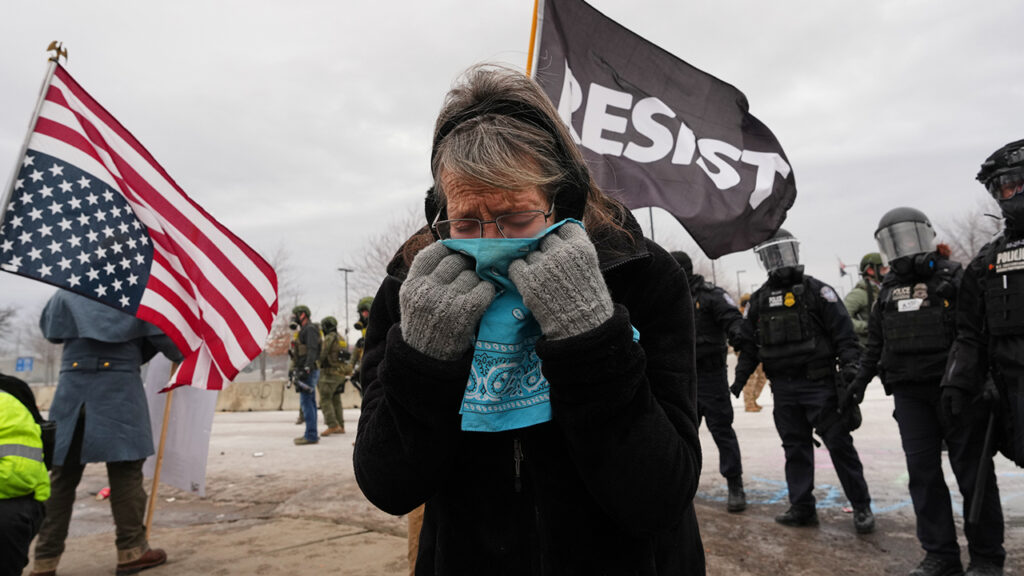
In January, during street protests in Minneapolis, Tracy Wong, a Vietnamese immigrant and U. S. citizen, took into her restaurant protesters and media people who fled tear gas fired by federal immigration officers. Heartbroken, she still claims “America is a beautiful country.”
I understand Ms. Wong’s conflicted affection for America. I feel it, too. I am here to stay and to witness how this affection will produce its fruit in my home country, America, until I depart for my eternal home.
Shuji Moriichi is director of the pastoral care department at Mercy Medical Center in Cedar Rapids, Iowa. Ordained in Mennonite Church USA, he lives with his wife and teenage son in North Liberty, Iowa.


Have a comment on this story? Write to the editors. Include your full name, city and state. Selected comments will be edited for publication in print or online.