


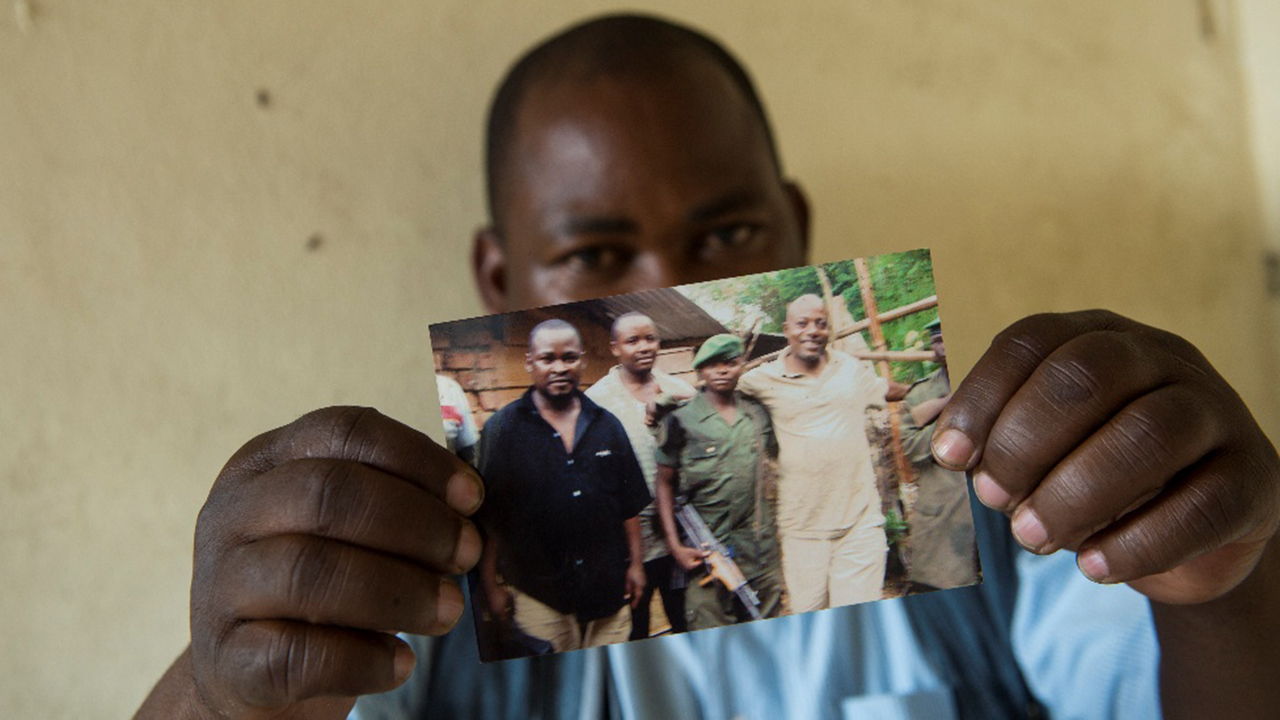
In the eastern provinces of the Democratic Republic of Congo, where the earth holds minerals the world craves, the people who live off food grown in the rich, dark soil and raise families amid the lush, green hillsides are perpetually in danger.
Hundreds of armed groups operate there, robbing, raping and murdering people in their quest for power and money from mineral resources. Mining operators forcibly remove people from their farmland, devastating it along with nearby forests and rivers.
But that’s not the whole story.
Many Congolese people are working for peace and just treatment for their people. Programme de Paix et Reconciliation (Peace and Reconciliation Program) is among them.
Starting in 2007, PPR staff and volunteers risked their lives as they walked miles into the forest to encourage leaders of armed groups to disarm and reintegrate into civilian life. Many combatants and their families returned to Rwanda, , where the government supported their reintegration. Church and village leaders helped PPR build relationships with the combatants.
“It was very risky work,” said Bulambo Lembelembe, PPR founder and executive secretary. Although two facilitators were killed and another raped, the work continued. Between 2007 and 2015, some 1,500 combatants and 30,000 family members returned to their homes.

To honor PPR’s work, which currently focuses on mining justice, Mennonite Central Committee has awarded it the 2026 Michael J. Sharp Global Peacemaker Award. MCC has partnered with PPR since 2011.
Sharp served with MCC and PPR from 2012 to 2015. He continued his peacebuilding work as United Nations staff until he and his colleague Zaida Catalán were executed in 2017 while verifying human rights violations in DR Congo. In June, a Congolese army colonel and 30 other people were found guilty of war crimes related to their deaths.
Moise Butimbushi, a former PPR staff person who in 2023 founded the Michael J. Sharp Foundation in DR Congo, coordinated the work of facilitators who met with combatants. He often traveled to high-risk areas with Sharp. He remembers his friend from Indiana refused offers of silverware and ate ugali with his hands alongside the others. Sharp fit into the culture and treated each person with respect.
Butimbushi said one way he encouraged combatants to leave their armed group was to ask them to consider their children’s well-being. “The more time you spend in the forest, the more challenging you make their future,” Butimbushi would tell them. “If you leave the forest, you give them the chance to go to school.”
Lembelembe said he also connected with combatants, some active in local congregations, with a spiritual message: “Whoever believes in [Jesus] receives forgiveness of sins and eternal life. Whoever kills, rapes, hates his fellow man or destroys the environment will be judged and condemned.”
They saw a significant reduction in violence, rape and looting, Butimbushi said.
In 2017, PPR narrowed its work to the Mwenga territory in South Kivu province and in 2023 decided to focus on the root of most violence there: the battle for gold and minerals— tin, tantalum and tungsten — used to manufacture electronics.
Isokelo Munyuku, a human rights advocate for PPR, says mining operators would appear without warning and dig up farmland, cut down trees and dredge a river without consulting local authorities or landowners.
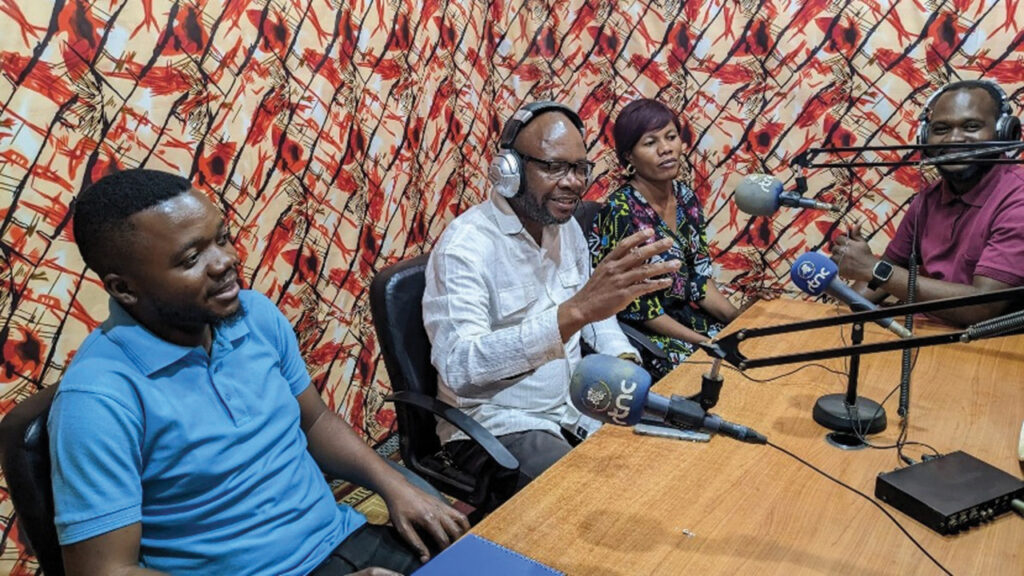
In response, some residents resorted to violence, and armed groups became more active. Most residents don’t know the mining code requires mining operators to compensate landowners and consult local leaders. PPR is leading an educational campaign about the mining code through radio announcements and workshops.


Have a comment on this story? Write to the editors. Include your full name, city and state. Selected comments will be edited for publication in print or online.