


This has been an interesting year for my relationship to hunger. My hunger has decreased, increased and vanished. This has naturally made me confront how I understand sufficiency, insufficiency and how to tell the difference when your tummy won’t let you rest.
I’ve already written about these some of the noteworthy chapters in my life. I stared down hunger when I did intermittent fasting for some time. I used the magic of bean soup to help me feel full, a strategy that ended up becoming a staple in my meal prepping. And there’s my usual way of managing my hunger, which is to prioritize protein, fiber and water while planning my meals.
Hunger is a normal part of embodied experience. Hunger pushes us to eat. We eat, become full and then continue our day. I have found the sad truth that I am a very hungry person. That wasn’t much of a problem when I was also a growing boy. But sadly, for me, eating until my hunger was silenced led me to actually overeat. My internal hunger cues don’t accurately tell me when enough is enough. To eat until my hunger stops puts me in an energy surplus, but to eat in an energy balance would leave me hungry.
Separate from the normal experience of hunger, I experience a high degree of “food noise.” Food noise is preoccupation and distraction about the next meal, when it will be, what it will be – even when one is fed. It is distracting and distressing. The constant preoccupation can swirl between thinking about specific dishes, restaurants, what groceries I should collect, second-guessing how my mood is impacting my eating and second-guessing how my eating will impact my health.
My struggle with navigating hunger is a combination of the physical sensation, the food noise, and working to not over eat. The physical distress and mental unrest stop me from accurately sensing when enough is enough. They stopped me from being “at rest” with food.
I’m aiming for a sweet spot where hunger doesn’t bother me, I am satisfied and fueled, and I’m doing things that help me address my A1C and triglycerides. The Bible never mentions triglycerides. The Bible mentions individuals over-indulging in food only a handful of times, mostly in Proverbs. Proverbs 23:2 and 23:20-21 are colorful warnings not to overdo it. The advice seems like a simplistic “stop when enough is enough.” Which, I of course, I want to do, but after eating normal portions I still feel hungry. My problem was that eating to satiation was more fuel than I needed, and eating just to fuel myself left me hungry.
Food noise is generally considered a part of how one’s internal hunger cues work, not something that changes much. While usually immutable, it is one of the symptoms treated by GLP-1 RAs, drugs like Ozempic and Wegovy. Last summer I used one, and it dramatically changed my relationship to hunger.
The food noise was gone. A whole window of preoccupation in my mind became silent. Eating became simple. I would start to feel hungry about a half hour before meal time. The hunger was a gentle nudge towards food, not the ravenous hunger I was used to. This relationship to hunger made it click. If this was how most people experienced hunger, then yes, overdoing it seems a choice. This relationship to hunger made hunger an internal indicator, not an enemy. Owing to insurance stuff, I went off of the GLP-1 RA.
Coming off of the GLP-1 RA was hard. The hunger came back stronger. The food noise was ever present. In the beginning, it felt like my day was spent thinking about food or spending energy trying to not think about food. I tried to negotiate with the constant preoccupation by being more intentional about my meals. The next chapter of my relationship with hunger was using intermittent fasting. Being able to remind myself that mealtime was at a specific time did help me focus on the work in front of me.
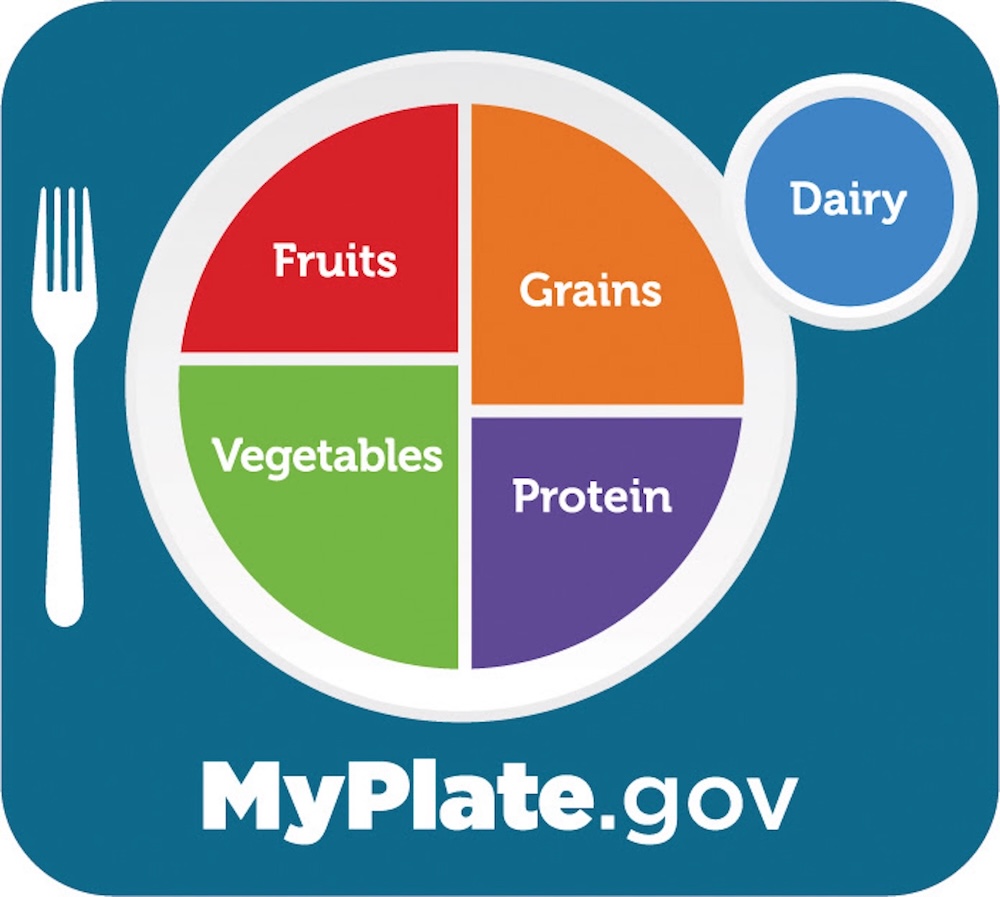
As my hunger and food noise moved back to usual volume, I returned to the regular advice for dealing with hunger: sound nutrition. For every meal I referenced My Plate, the federal nutrition advice that replaced the Food Pyramid. This pattern worked. Hunger in the hour or so before mealtimes was still very loud, and the food noise between meals could still be distracting, but consistently using My Plate helped me a lot in the time in between meals. It was louder than I liked, but it was manageable.
I’m grateful that I got to a manageable place, but things in life aren’t linear. There were other episodes. For a while my hunger was manageable. I used My Plate to plan my meals, and the hunger came at predictable times. I went to work, I ate, I slept. Work, eat, sleep, repeat. I hadn’t noticed my hunger crawling back bit by bit, then becoming ravenous at night. I was very confused; this was even happening after I was making sure to eat plenty of fiber and protein.
I hadn’t noticed that I had slipped into a spell of anhedonia. I was experiencing some depression symptoms, and my appetite becoming ravenous was an attempt to feel something. In this chapter, my change in hunger indicated something had changed with my mental health. Hunger, of all things, prompted me to review how I was taking care of myself.
In another chapter of my hunger, I was doing gig work after my day job. Between labor and commuting, I was committing 15 hors a day to working. My appetite for dinner vanished. By the time I got home, I just wanted to shower and sleep. I “ate sleep for dinner.” This is a saying among folks who put work first, usually to the detriment of their overall wellness. This was a big indication that the amount of time I spent working to resting was way out of whack. I needed to be more strategic about when I did gig work and to make sure that I am also relaxing and recharging.
My hunger is bothersome. I have spent a lot of my life feeling powerless to it. This year I tried to navigate it in different ways, and each chapter of that journey changed my perspective on it. When my hunger changed, and it was indicating something was off-balance emotionally, it was an ally helping me correct the course. My hunger is still louder than most, but in this year I’ve grown a lot in my ability to detect when enough is enough. By intentionally contemplating and engaging my hunger, I was able to shift it from a relationship that feels adversarial to hunger being just another internal indicator. And it is easier to feel at rest.

Reflection
Were you ever taught, or have you ever contemplated, how to tell when you’re full?
What did nutrition education look like when you were young? Did you grow up with the Food Pyramid, My Plate or something else?
Is the recommended advice what you expected, or did anything surprise you?



Have a comment on this story? Write to the editors. Include your full name, city and state. Selected comments will be edited for publication in print or online.